

Experts see low risk of LPG cylinder shortage in India despite Hormuz tension
Alternative import sources, higher domestic output and falling demand have eased fears of an LPG shortage after tension in the Strait of Hormuz.
 Images are not validated/verified
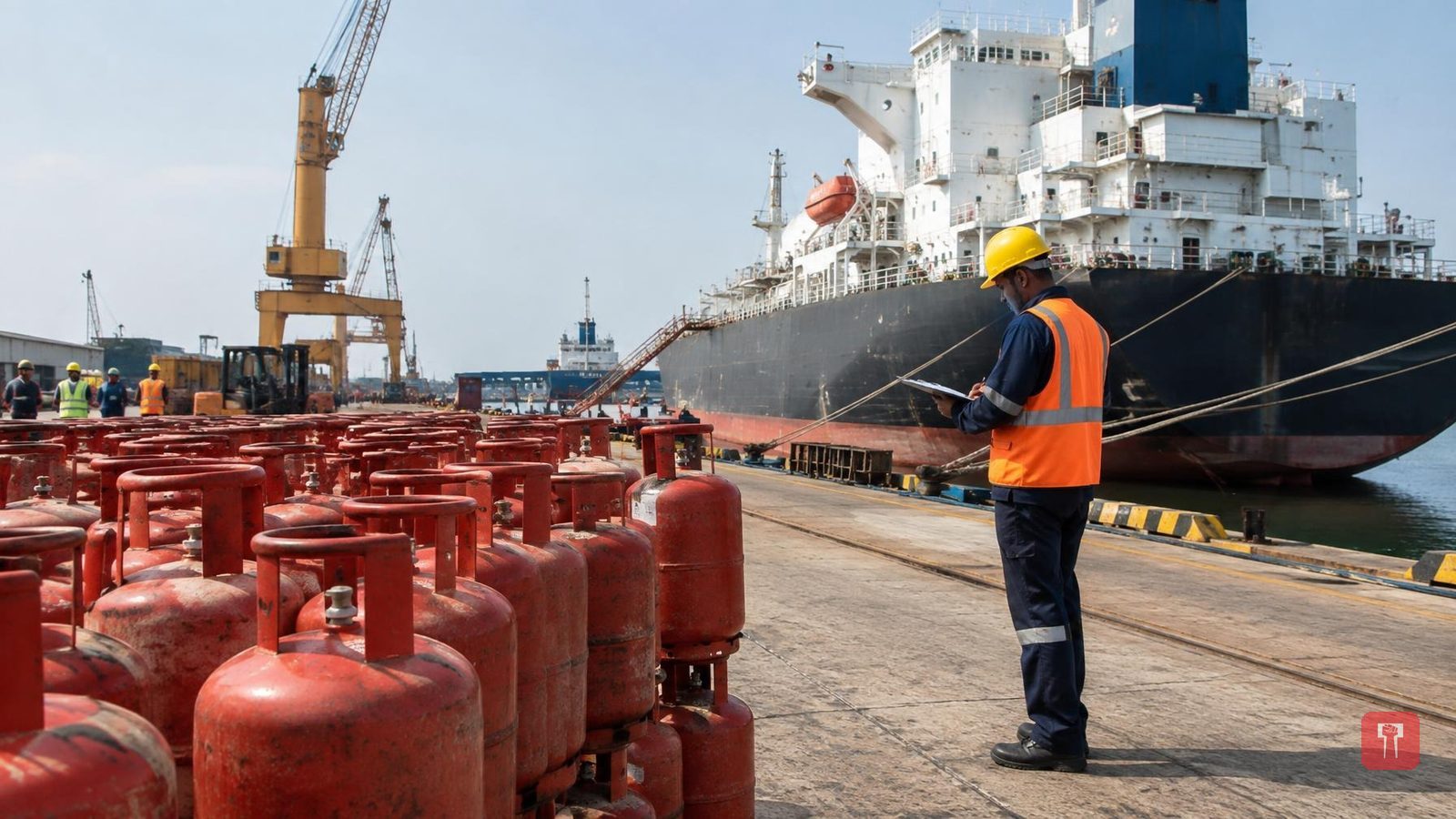
Tension in the Strait of Hormuz had raised fears of a hit to oil and gas supplies worldwide. After the war began, concern grew that India too could face an LPG cylinder shortage, and long queues were seen outside gas agencies and warehouses in many cities and towns. However, the current situation shows that India has managed it by focusing on alternative import routes and domestic production.
Before the war, the Strait of Hormuz was the main route for nearly 90 percent of India's LPG imports. That picture has now changed. With the United States and several other countries supplying LPG to India, dependence on Hormuz is not what it used to be. Some supply still comes through this route, but it is not considered fully reliable. Pressure on supply could build only if this waterway remains shut for a full week at a stretch, which is why India has focused on alternative sources and boosting domestic production.
India currently produces about 37,000 to 38,000 metric tonnes of LPG a day. The target is to raise production at domestic refineries by a further 4,000 metric tonnes or so, which could take the increase in total domestic output past 10 percent. The country's LPG stocks are also said to be at a satisfactory level, so the chance of an immediate major shortage is low. Even so, the war situation and uncertainty in global supply are being watched closely.
Higher production is not the only reason import pressure has eased; demand has also fallen sharply. According to Petroleum Ministry data, LPG consumption in the country fell 17 percent in August compared with the same month last year. Usage among domestic consumers, commercial consumers and industry has all declined, with industrial bulk LPG use recording a drop of nearly 80 percent in July. Some consumers are said to have shifted to alternatives such as piped natural gas, diesel or firewood.
India's LPG imports have also fallen since the Iran-related war began. Imports in August dropped about 25 percent to 1.45 million tonnes, though this was still the highest monthly import figure for that period. Global supply has fallen too, with global seaborne LPG exports in August down by about 600,000 metric tonnes compared with February 2026 and about 1.25 million metric tonnes compared with the same month last year.
Uncertainty over the Hormuz tension persists, but imports from alternative countries, higher domestic production and falling demand have allowed India to keep the situation under control to some extent. For now, there appears to be no need for ordinary consumers to panic and stock up on extra cylinders. Even so, developments in the Hormuz region and global LPG supply will need to be watched going forward.
This story has published but the live thread has not started. Updates appear here the moment the desk files one.
