

Missile strike on Saudi oil pipeline stokes fears of pricier petrol, diesel in India
A missile strike on a pumping station near a key Saudi oil pipeline has raised fears of higher crude and fuel prices in India.
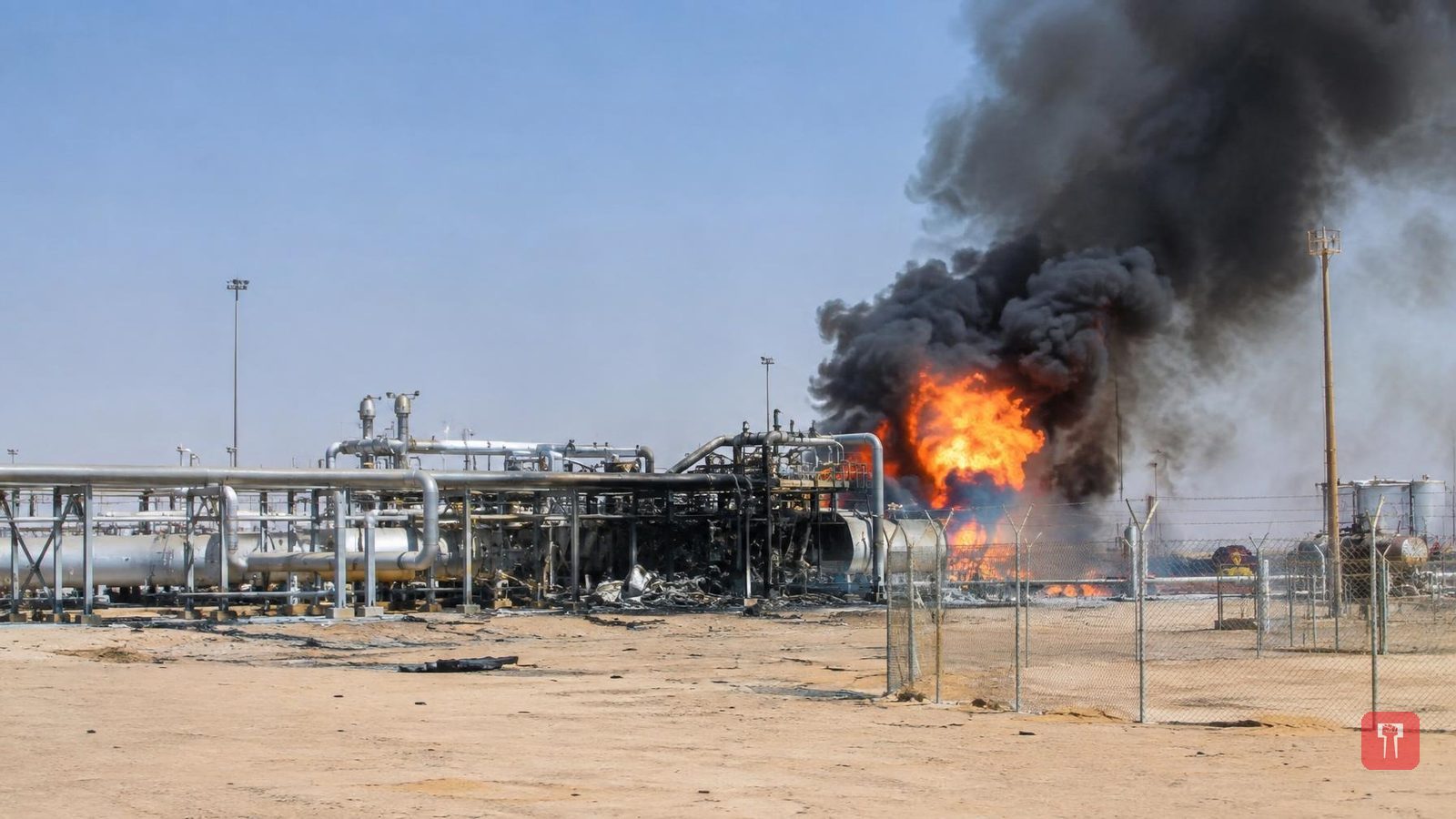 Images are not validated/verified
Amid rising tension in the Middle East, a pumping station near a major Saudi Arabian oil pipeline has reportedly been hit by missiles, in a development that could have a direct impact on India. The incident is expected to affect crude oil prices, with a knock-on effect on petrol and diesel prices in India also being anticipated.
The incident in Saudi Arabia has not yet been fully confirmed publicly, but according to information attributed to American officials, initial assessments suggest some of the pipeline's pumping facilities may have been damaged. Satellite images have also raised concern. Images taken on Friday showed heavy fire damage at one location, while images from a day earlier showed clouds of black smoke rising from another site. This has led to the matter being described as fairly serious.
Although the strike occurred at a single location, its significance is heightened because Saudi Arabia's East-West pipeline is currently playing a crucial role for the country. Due to the ongoing standoff with Iran, the threat to oil shipments by sea in the region has increased, with supplies passing through the Strait of Hormuz feared to be affected. In these circumstances, instead of sending crude directly by tanker from the Persian Gulf, Saudi Arabia has begun sending large volumes of crude through its pipeline to the Red Sea port of Yanbu. According to reports, around 5 million barrels of oil are being sent daily by this alternative route.
If the pipeline or its associated pumping facilities have suffered serious damage, pressure could build on Saudi Arabia's oil supply system. However, it is not yet clear how much direct damage the pipeline has sustained or how long repairs will take. There has also been no official confirmation yet of who is responsible for the strike. American officials have said they are gathering intelligence related to the incident.
Satellite images show fires at several locations around the pipeline, but some of these could be flare pits used for burning off oil or gas in emergency situations, so it would be wrong to attribute every fire to the strike. This is why it may take time to fully understand the situation.
Meanwhile, crude oil prices have already begun to react. Amid fears of disrupted supply from the Middle East, international crude prices have crossed 100 dollars a barrel. If the tension drags on and further affects oil production or transport, prices could continue to fluctuate. This could affect oil-importing countries, as higher crude prices can raise import costs, inflation and petrol-diesel prices.
For now, markets are closely watching the actual damage to Saudi oil facilities, the state of repairs, and further military activity in the region. If supply routes remain secure, pressure on markets could ease somewhat, but a strike on any other major oil facility could add further instability to global fuel markets.
This story has published but the live thread has not started. Updates appear here the moment the desk files one.
