

Crude oil surges past $100 a barrel, $120 feared amid Middle East supply fears
Brent crude has crossed $100 a barrel on Middle East supply worries, with fears of $120 a barrel stoking concern about India's oil import bill and inflation.
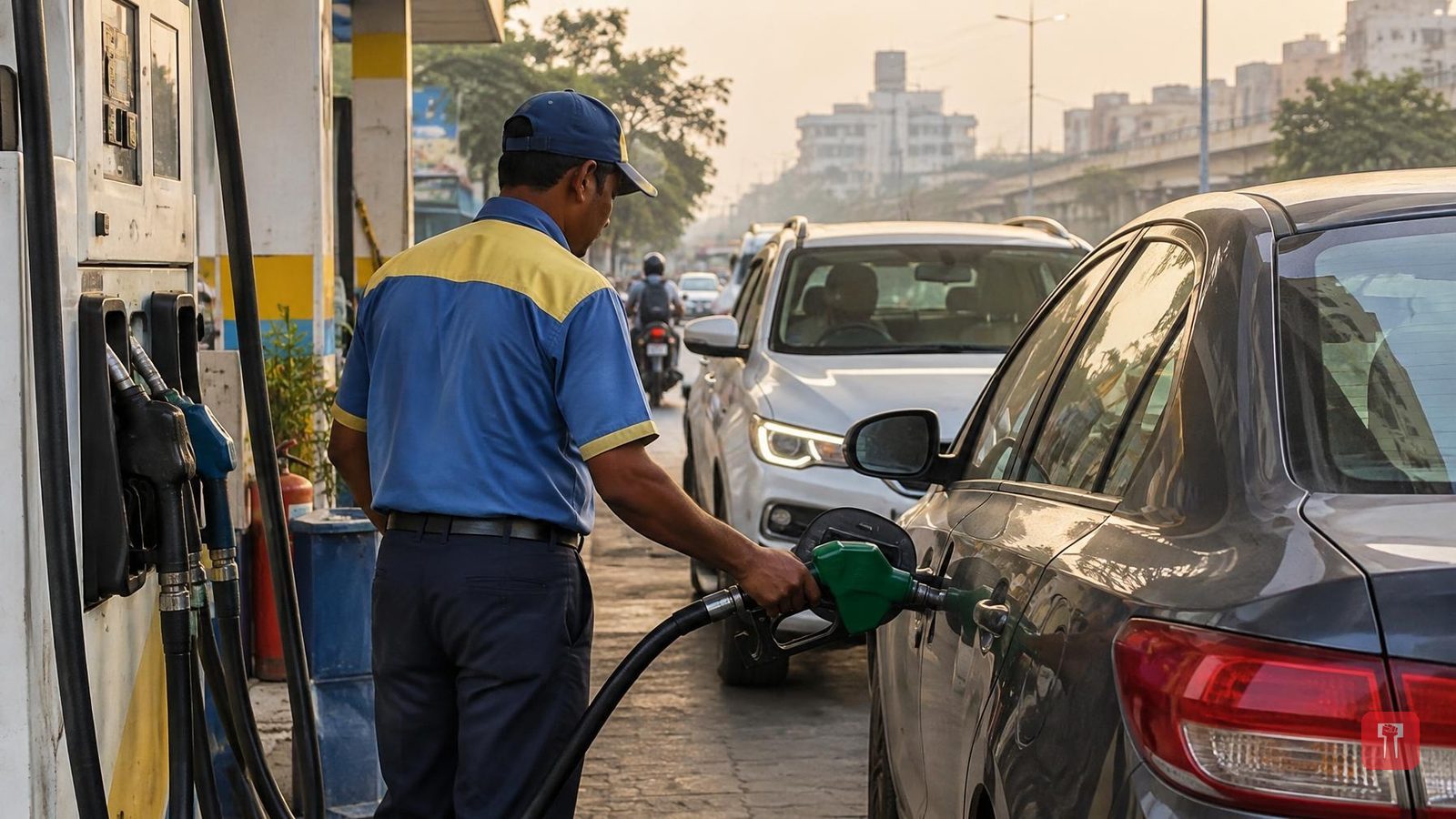
Crude oil prices have once again raised tensions around the world. Amid ongoing tension in the Middle East and growing concerns over oil supply, crude oil prices have crossed 100 dollars a barrel. On Wednesday, September 16, Brent crude traded between 107 and 109 dollars a barrel. However, prices softened slightly because of rising crude oil stocks in the United States.
Tension in the market has not eased yet. If supply-related problems in the Middle East persist, crude oil prices could reach as high as 120 dollars a barrel. This could create difficulties for major oil-importing countries like India.
The biggest reason behind the rise in crude oil prices is concern over supply. An attack on Saudi Arabia's East-West pipeline has disrupted the movement of oil along this route. In addition, oil loading operations at the Yanbu port have also been halted. This pipeline is an important route for moving Saudi oil to the Red Sea, and its use reduces the need for Saudi oil to pass through the Strait of Hormuz. The disruption to this route has heightened fears over supply in the market, and if the disruption continues, crude oil prices could rise further in the coming days.
India buys a large share of its crude oil requirement from abroad. This means that a rise in crude oil prices in the international market directly affects the country's oil import bill. In simple terms, India will have to spend more dollars to buy a barrel of oil from abroad. This will increase the country's import bill, and if oil prices remain high for a long time, it could also put pressure on the government and oil companies. The price of India's crude basket has also risen sharply in recent days, climbing from around 99.35 dollars on September 2 to 128.7 dollars a barrel on September 14.
When crude oil reaches 120 dollars a barrel, it does not necessarily mean petrol and diesel prices will rise the very next day. Petrol and diesel prices in India depend on several factors besides the price of crude oil, including the dollar-rupee exchange rate, refining costs, taxes and oil companies' margins. Oil companies also do not always pass on daily changes in the international market into petrol and diesel prices on the same day. If crude oil prices remain high, the pressure for prices to rise could increase further.
If crude oil prices stay around 120 dollars a barrel for a long period, the impact will not be limited to petrol and diesel alone. Higher diesel prices could raise costs for trucks, buses and other freight vehicles, directly affecting the cost of transporting goods from one place to another. Companies may then pass on part of this cost to the prices of their products. This means the pressure of inflation, from transport to everyday goods, could gradually increase because of costlier crude oil. Airlines' fuel costs will also rise, which could make air fares more expensive as well.
This story has published but the live thread has not started. Updates appear here the moment the desk files one.
