

New UPI rule: what you will pay on vegetables, petrol and rail tickets
RBI and NPCI have clarified that P2P UPI transfers stay free, while most merchant payments face little to no charge under a new MDR structure.
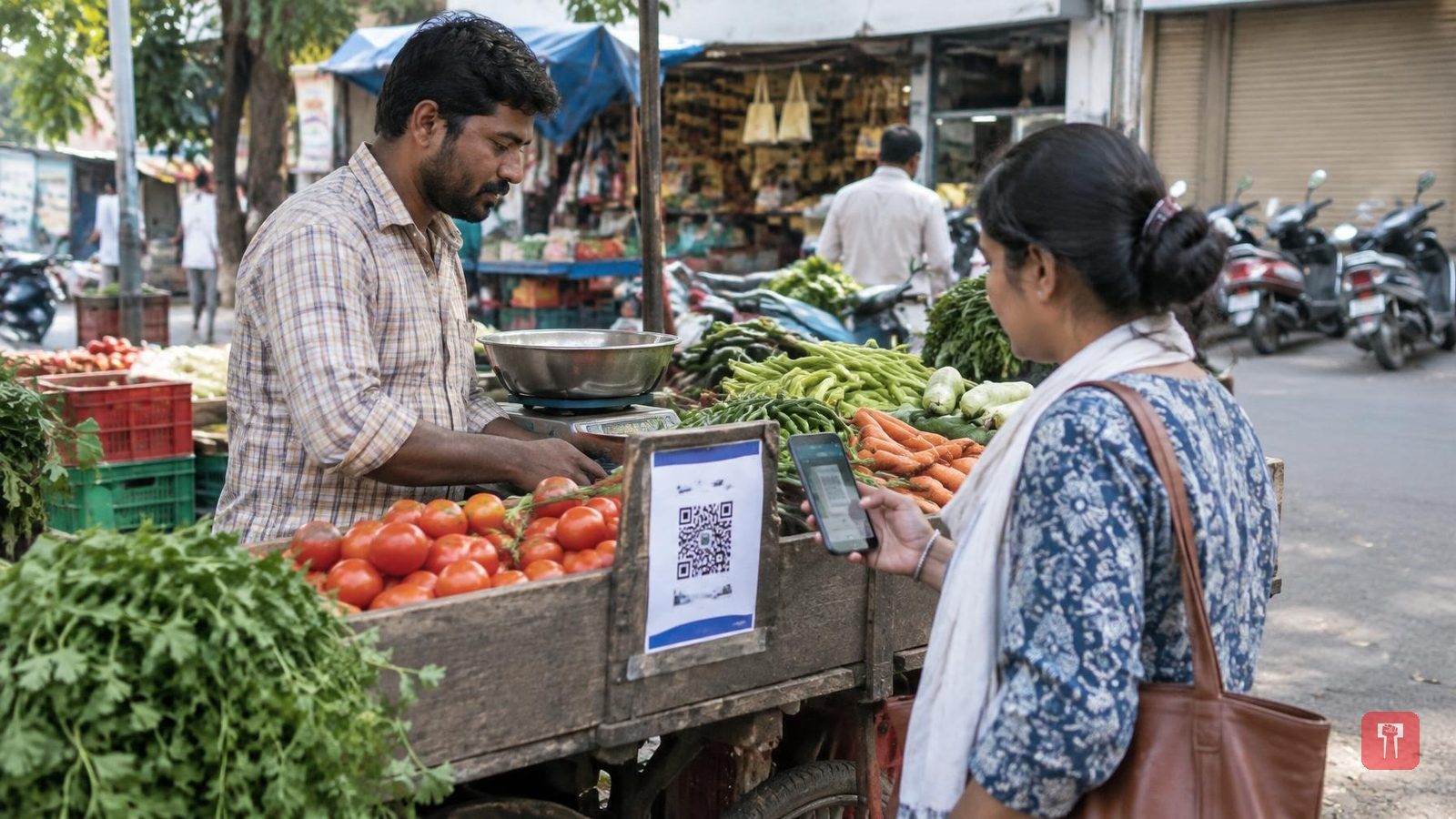
There was widespread confusion among the crores of people who use UPI every day over new rules and charges. The Reserve Bank of India and NPCI have now clarified that person-to-person, or P2P, transactions between two individuals will remain completely free, regardless of the amount.
In addition, small shopkeepers and everyday purchases up to Rs 2,000 will not attract any Merchant Discount Rate, or MDR, charge. This brings major relief to ordinary people, roadside vendors and small traders. Of all merchant transactions, or P2M, in the country, 96 percent will remain completely free.
MDR is not a government tax or a levy imposed by NPCI. It is a service fee shared between banks, payment service providers and app companies to keep the UPI system running smoothly. The UPI Steering Committee framed this policy after detailed discussions, under the Payment and Settlement Systems Act, 2007.
Among the things that will remain entirely free are all transactions between two individuals, which will not attract any platform fee or hidden charge, and these account for 70 percent of the total value of UPI transactions. No MDR will be charged to the customer or the shopkeeper for purchases up to Rs 2,000, whether in-store or online. Small shopkeepers and vegetable and fruit vendors doing up to Rs 1 lakh a month in UPI QR code transactions have been given full exemption from this charge.
Where charges will apply, merchant transactions above Rs 2,000 will attract a modest MDR of just 0.4 percent, and for transactions of Rs 75,000 or more, this charge will be capped at a maximum of Rs 300 per transaction. In low-margin sectors such as rail tickets, telecom, insurance, petrol and diesel, and farm-related goods, a flat charge of Rs 5 per transaction will apply on amounts above Rs 2,000. Payments to mutual funds, shares, stockbrokers and dealers will attract an MDR of 0.02 percent, capped at Rs 300 per transaction.
It has been made clear that MDR is a charge on the merchant payment system and will not be collected from customers. Banks have been clearly directed that shopkeepers must not pass this charge on to customers, and UPI apps are strictly barred from levying any kind of platform fee or hidden charge. People will be able to use UPI free of charge without any monthly quota or limit. The daily limit of Rs 1 lakh to Rs 5 lakh set by banks is purely for security reasons, not related to charges.
Five percent of the total MDR collected will go into a special fund created to spread UPI among small traders. This new arrangement will help banks and tech companies get funding to strengthen the UPI network in villages and towns. The decision has been taken based on recommendations in the 32nd report of Parliament's Standing Committee on Finance.
This story has published but the live thread has not started. Updates appear here the moment the desk files one.
