

Centre clarifies which UPI transactions will stay free of charge
The Centre has clarified that P2P transfers and most small merchant payments via UPI will remain free, with MDR applying only to larger transactions.
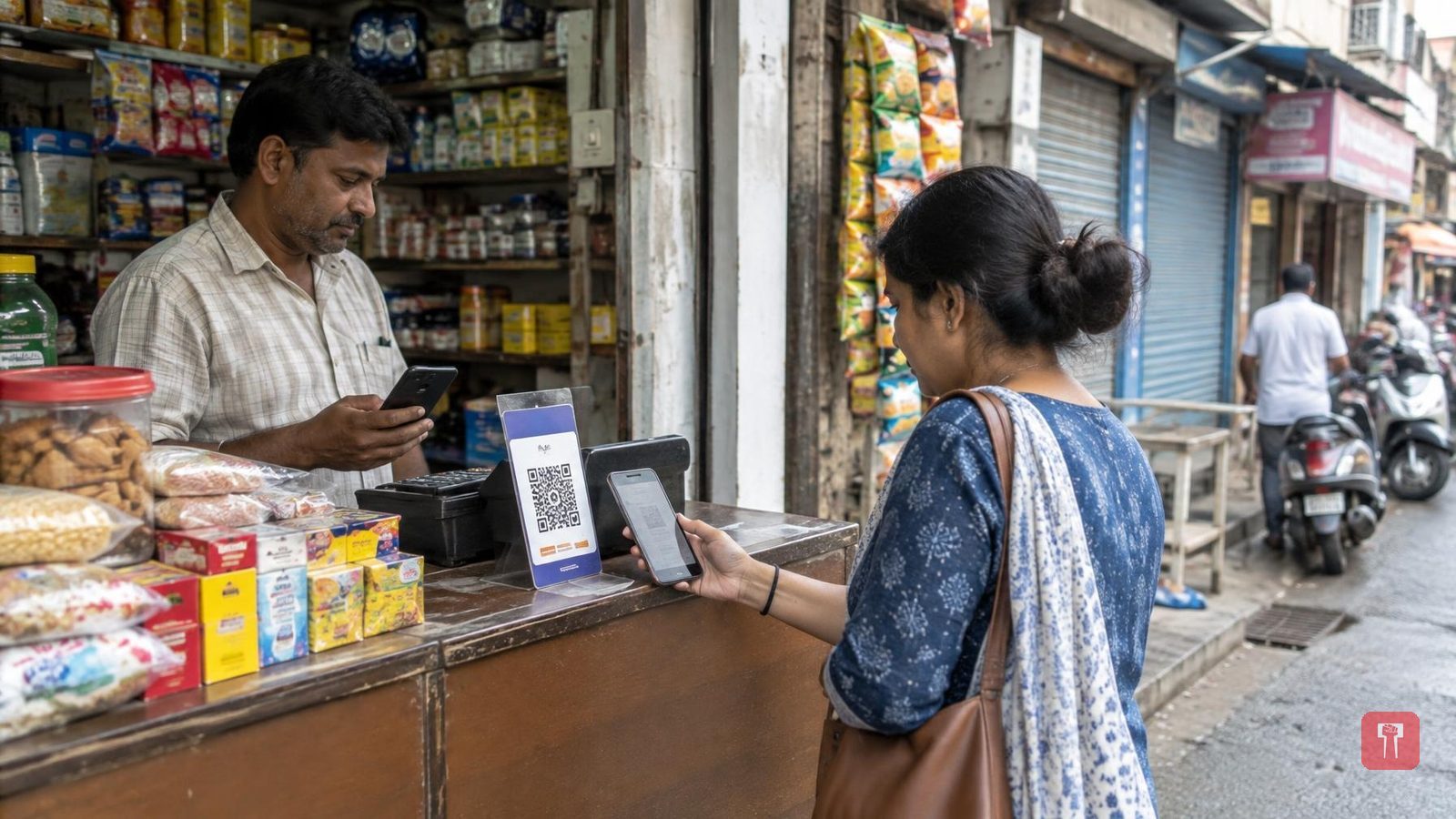
Amid rumours over charges on UPI payments, the central government has issued a statement putting the speculation to rest. A press note issued by PIB Delhi has made clear that all person-to-person, or P2P, UPI transactions will continue to remain completely free, without any charge of even one rupee.
In addition, keeping small traders and ordinary customers in mind, around 96 percent of merchant transactions, or P2M transactions, will also remain completely free. The new rule applies only to larger commercial transactions involving bigger amounts.
Here is what will remain completely free. First, all P2P transactions -- whether between friends, relatives or any other individual, for any amount -- will not attract any transaction charge, platform fee or any other hidden charge. Around 70 percent of total UPI value falls in this category, and it is entirely outside the scope of the Merchant Discount Rate (MDR).
Second, merchant transactions up to Rs 2,000. Any payment of up to Rs 2,000 made to a shop or trader will remain free, placing no extra burden on customers. Third, small traders have been given special protection -- street vendors, vegetable sellers and small shopkeepers will get relief. Those whose monthly UPI QR code earnings are up to Rs 1 lakh will get full exemption under "zero-MDR".
Now, on which transactions MDR will apply. Merchant transactions above Rs 2,000 will attract MDR at a modest rate of 0.4 percent. However, for larger transactions of Rs 75,000 or more, this fee will be capped at a maximum of Rs 300 per transaction. For low-margin, essential services such as railways, telephone, insurance, fuel and agricultural goods, transactions above Rs 2,000 will attract a flat rate of Rs 5 per transaction. Transactions involving mutual funds, shares, stockbrokers and dealers will attract MDR of 0.02 percent, capped at a maximum of Rs 300.
The government has made clear that MDR is a charge within a commercial arrangement and will not be recovered from customers. Banks have been directed to ensure that traders do not pass this cost on to customers. UPI apps have also been strictly barred from imposing any platform fee or hidden charge. There will be no monthly limit or cap on the number of transactions for users. The daily limit of Rs 1 lakh to Rs 5 lakh set by banks is only for security purposes and has nothing to do with charges.
According to the figures released, only 4 percent of total merchant transactions across the country will be affected by this MDR. The remaining 96 percent of transactions either fall within Rs 2,000 or belong to the small-trader category, and will therefore remain completely free.
Of the total MDR collected, 5 percent will be deposited in a separate fund. This fund will be used to expand the spread of UPI in villages and towns and to connect small traders to the digital system.
The decision has been taken after in-depth discussion by the UPI Steering Committee under the Payment and Settlement Systems Act, 2007. MDR is not a tax or revenue for the government or NPCI, but will be shared between banks and payment app providers. This will further strengthen UPI's digital infrastructure. The decision has been taken in line with the recommendations of the 32nd report of the Parliamentary Committee on Finance.
This story has published but the live thread has not started. Updates appear here the moment the desk files one.
