

New UPI MDR charge applies only to large merchant payments, not ordinary users
The finance ministry has clarified that the new UPI MDR charge applies only to large merchant transactions above Rs 2,000, while peer-to-peer payments remain free.
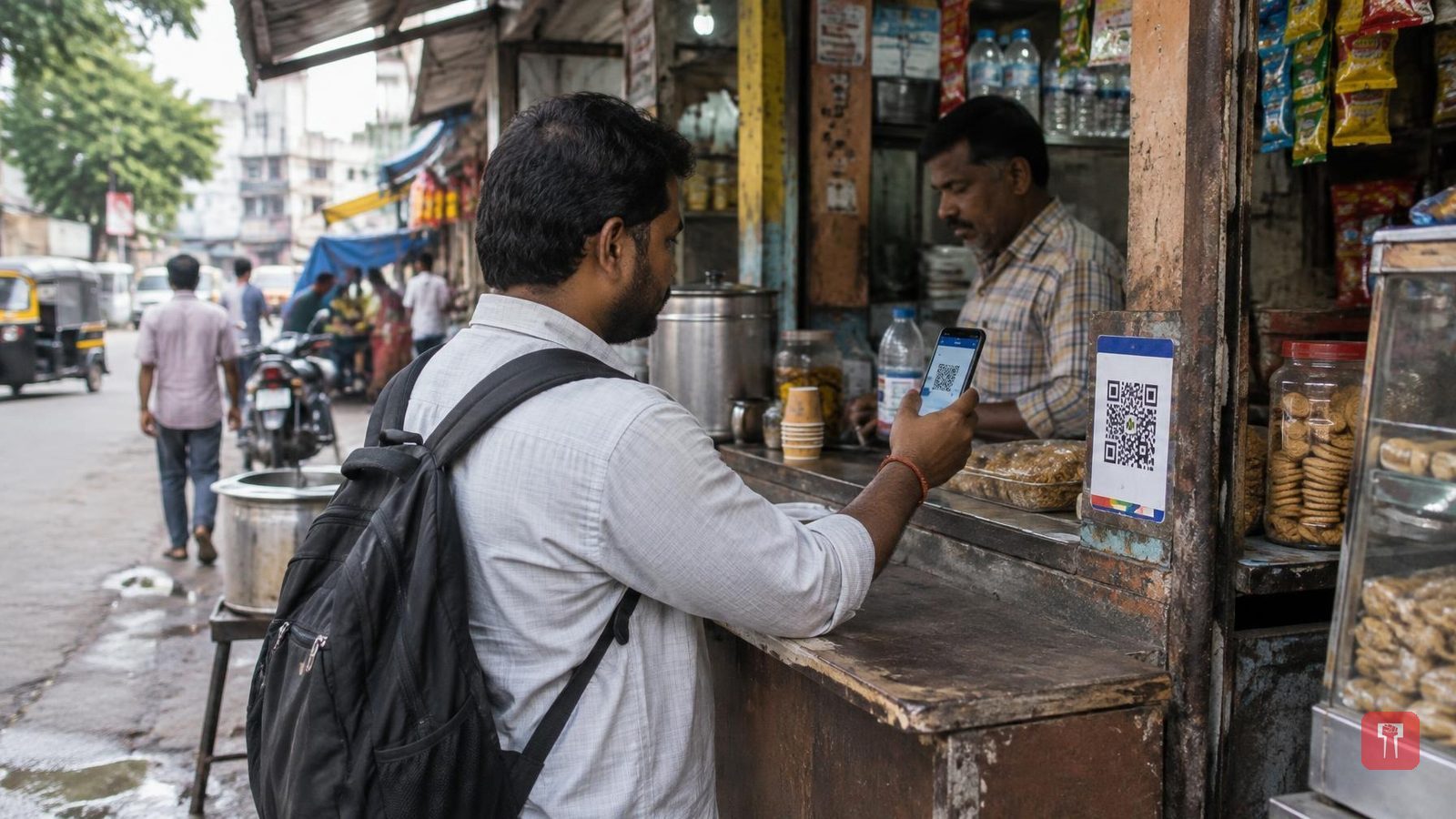
UPI is now used for everything from a cup of tea to a big shopping mall purchase, from buying vegetables to booking railway tickets. So when reports emerged that UPI transactions would now attract a charge, millions of digital payment users across the country grew anxious. To clear up this fear and confusion, the central government and the finance ministry have issued an official statement spelling out the new rules.
The question is whether ordinary people will actually have to pay out of pocket under the new system. It is worth understanding what the Merchant Discount Rate, or MDR, actually is, which transactions it will apply to, and what effect it will have on daily transaction limits.
First and most important, every transaction between two individuals will remain completely free. Sending or receiving money from one person's bank account to another's, no matter the amount, will not attract even one rupee in charges. The finance ministry has made clear that levying any platform fee or hidden charge on this is strictly prohibited. This category accounts for about 70 percent of the total value of UPI transactions in the country.
There will also be no MDR on purchases up to Rs 2,000, whether in shops or online. Small neighbourhood shops, fruit and vegetable sellers and street vendors doing up to Rs 1 lakh of business a month through UPI QR codes will also be charged zero percent MDR. This means small traders will bear no additional burden.
MDR is not a government tax or a charge imposed on users. It is a service amount shared between banks, payment service providers and UPI app companies such as Google Pay, PhonePe and Paytm to run the digital payment infrastructure. Under the new rules, a modest MDR will be levied on certain merchant payments above Rs 2,000.
On ordinary merchant transactions, that is P2M payments above Rs 2,000, MDR of 0.4 percent will apply. For larger transactions, of Rs 75,000 or more, the charge has been capped at a maximum of Rs 300 per transaction. For essential everyday services where margins are already thin, such as railway ticket bookings, telecom services, insurance premiums, petrol and diesel, and farming inputs and fertiliser, a flat rate of Rs 5 per transaction will apply on amounts above Rs 2,000 instead of a percentage. Payments made to mutual funds, shares, stockbrokers and dealers will attract MDR of 0.02 percent, capped at a maximum of Rs 300 per transaction. This rate has been kept the lowest to keep small and retail investors engaged with the stock market.
The government has also made clear that MDR is not a tax or fee imposed on the customer; the cost is only between the merchant and the payment system. Banks have been clearly instructed that no shopkeeper should recover this charge from customers. UPI app companies are also not permitted to levy any platform fee, processing fee or hidden charge on users. People will continue to use UPI free of charge, without any monthly quota or limit.
The daily transaction limits set by banks and the NPCI, which typically range between Rs 1 lakh and Rs 5 lakh, are not linked to this MDR arrangement. That limit exists purely for security and risk management, and has nothing to do with whether MDR is payable.
According to government data, about 96 percent of all merchant transactions in the country will remain completely free of this charge, since most transactions are either within Rs 2,000 or fall in the small trader category. MDR will apply only to the remaining 4 percent of large merchant transactions.
This new framework has been put in place under the Payment and Settlement Systems Act, 2007, following detailed discussions by the UPI Steering Committee. Parliament's Standing Committee on Finance had said in its 32nd report that a robust revenue model was needed to sustain the digital payment system in the long run. Revenue from large transactions will be used to expand bank and UPI networks in rural areas and smaller towns. In addition, 5 percent of the total MDR amount will be deposited in a dedicated fund to be used for spreading UPI among small traders and bringing them into the digital economy.
In short, ordinary people will not have to pay a single extra rupee while sending money to another person, making purchases up to Rs 2,000 at a shop, or paying small traders. The new arrangement has been brought in solely to strengthen the digital payment system financially through large merchant transactions.
This story has published but the live thread has not started. Updates appear here the moment the desk files one.
