

UPI payment charge challenged in Supreme Court
A petitioner has moved the Supreme Court against the government's decision to levy a charge on UPI payments over Rs 2,000.
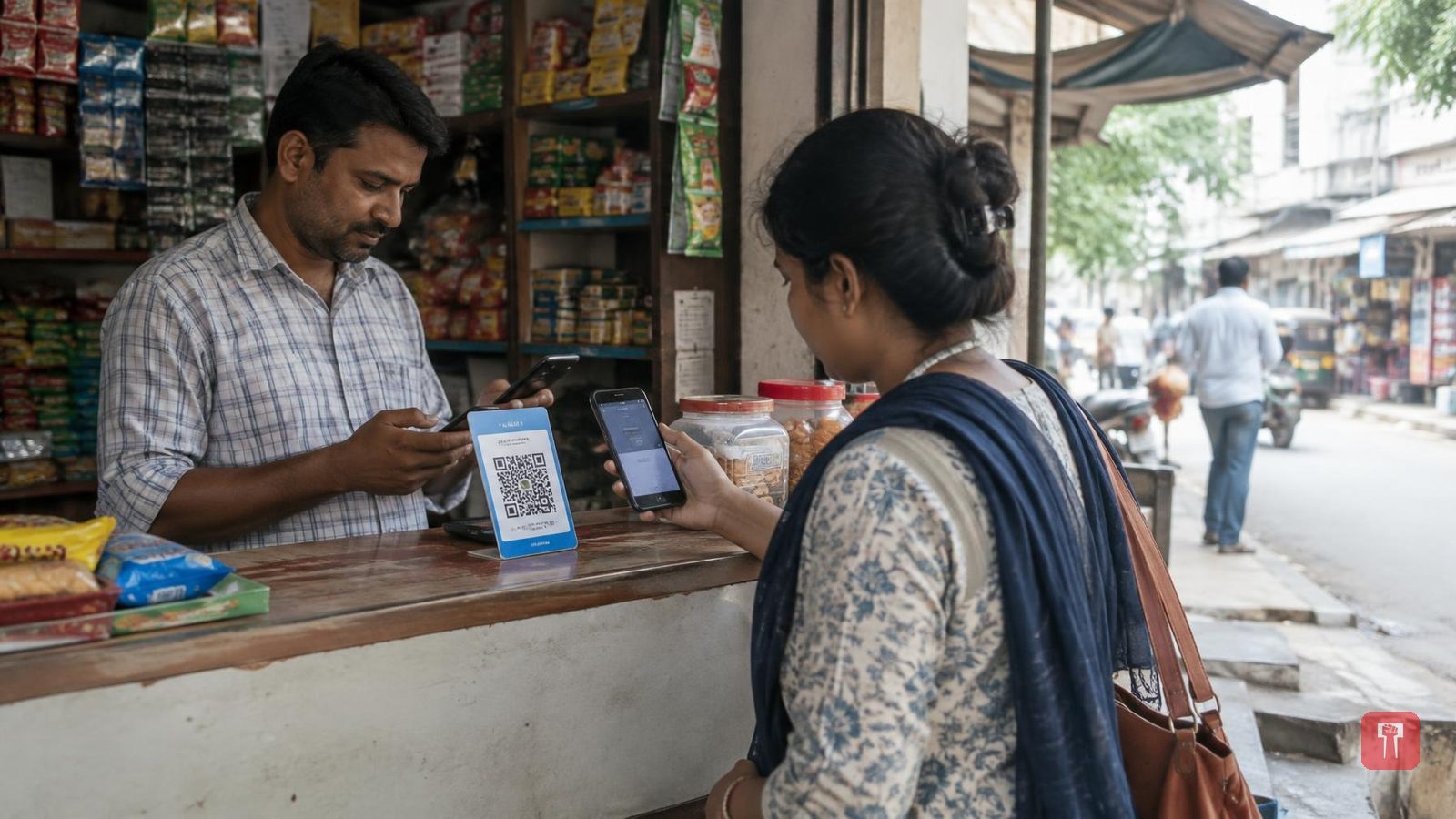
The central government's decision to levy a charge on UPI payments is facing opposition across the country, and the matter has now reached the Supreme Court. A government notification imposing a 0.4 percent MDR charge on UPI payments above Rs 2,000 has been challenged in the Supreme Court. A petitioner named Anjan Dutta has filed a public interest litigation in the court, alleging violation of the right to equality before law and the fundamental right to carry on trade.
The petitioner has said the decision is being implemented without proper discussion and that the legal process that should have been followed was not followed. The petitioner believes this will burden small traders. To avoid the extra UPI charge, shopkeepers may again start asking for cash payments, which would directly affect the goal of advancing the digital economy.
The central government has announced that from October 15, a 0.4 percent charge will apply on UPI payments above Rs 2,000 made to traders. However, transactions between individuals and smaller transactions have been kept out of this charge. The decision to levy a charge on UPI payments has also heated up the country's politics. Congress and the entire opposition are targeting the government on this issue. Leader of the Opposition in the Lok Sabha and Congress MP Rahul Gandhi has demanded that Prime Minister Narendra Modi withdraw this tax imposed on UPI.
Under the new rule, no MDR will apply on UPI transactions up to Rs 2,000. A 0.4 percent MDR will apply on transactions between a customer and a trader above Rs 2,000. For example, on a purchase of Rs 3,000, the trader will have to pay Rs 12 to the depositing bank at the rate of 0.4 percent. This commission will be shared among banks and other partners across the payment system. No charge will apply on person-to-person transactions.
For payments of Rs 75,000 and above, the MDR will be capped at a maximum of Rs 300 per transaction. Essential sectors such as telecom, insurance and fuel will have to pay a one-time MDR of Rs 5 per transaction. Payments made to mutual funds and stock brokers will attract an MDR of 0.02 percent, capped at a maximum of Rs 300. Small traders with a monthly turnover of up to Rs 1 lakh will be mandatorily given zero MDR on all transactions.
Companies providing UPI apps will not be allowed to levy a platform fee or any kind of hidden charge. Banks have been advised to ensure that traders do not pass on the burden of the UPI payment MDR charge to customers. There will be no monthly quota or limit on the number of free UPI transactions for individuals.
This story has published but the live thread has not started. Updates appear here the moment the desk files one.
