

Missing after Nepal floods traced through phones' last known locations
Families of tourists missing after the Nepal-China border floods are using mobile phones' last known locations to trace their loved ones.
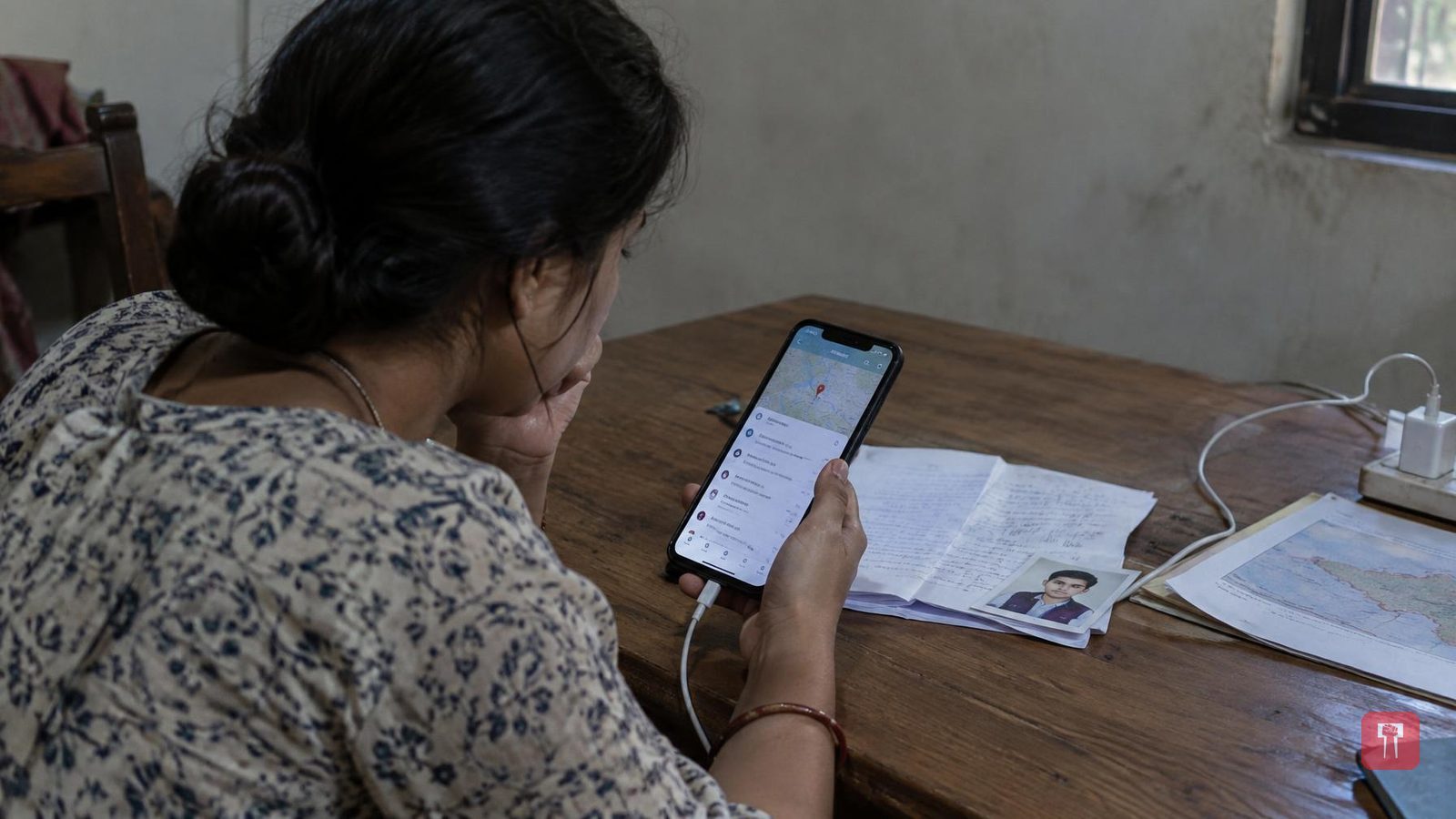
The border between Nepal and China recently witnessed a devastating display of nature's fury that ravaged the entire region. A large glacier on the border suddenly broke, sending huge quantities of rocks, mud and debris surging down from the mountains. The disaster has killed 1,386 people in Nepal so far, while 5,130 remain missing. On the other side of the border, in China, 43 people have died and 519 are reported missing. Several days have passed since the disaster, but families separated from their loved ones are still in distress. In such circumstances, the last known location of missing people's mobile phones has become the biggest ray of hope for their families.
Among the missing is 33-year-old Arushi Gupta, who works in Hyderabad and was on the Kailash Mansarovar Yatra. She reached Kathmandu from Delhi on August 23 and was to cross the Nepal-China border into Tibet on August 26. On the morning of the flood, she messaged her father, Ajay Gupta, on WhatsApp saying she was just 15 minutes from the border. She then sent him a photo of the Chinese immigration post at Gyirong Port, which turned out to be her last message and photo. Since then, numerous calls and WhatsApp messages to her phone have gone unanswered. The family is now searching for her using her phone's last known network location and digital trail.
Like Arushi, 42-year-old Elena from Ukraine also went missing near the Nepal-China border during the same spiritual pilgrimage. Her daughter Vladyslava Horlova, who lives in Norway, has been searching day and night for her mother's digital trail. Forty-six other Ukrainian citizens travelling with Elena are also missing after the floods. Vladyslava tried to locate her mother's devices using the Find My app on her iPhone, through which her mother's mobile phone was last seen within China's border, while her Apple Watch and AirPods were last active within Nepal's border. Based on this location data, the daughter is trying to estimate where her mother might have been when the flood struck.
In India too, families of the missing tourists have jointly appealed to the Ministry of External Affairs and telecom operators for help. Several relatives, including Sachin Joshi from Pune, have requested the Indian administration to obtain mobile tower location and network data from international mobile operators and immediately launch a search operation. Due to several technical difficulties, sufficient data has not yet been obtained, but the families have not given up hope.
The Nepal army and local relief agencies are continuously engaged in rescue operations. Recently, rescue teams safely pulled out some workers trapped in a water tunnel of a hydroelectric project. This incident has given families hope that many of the missing may have escaped the floodwaters and taken shelter on a high, safe hill or in a cave. Holding on to this hope, Arushi's father Ajay Gupta and other Indian families are preparing to travel to Nepal and the border areas themselves to search for their children.
