

Nagpur leaves thousands of RTE seats empty every year, poor children miss out
Hundreds of RTE reserved seats in Nagpur private schools have gone unfilled every year for five years, with 811 vacant so far this session.
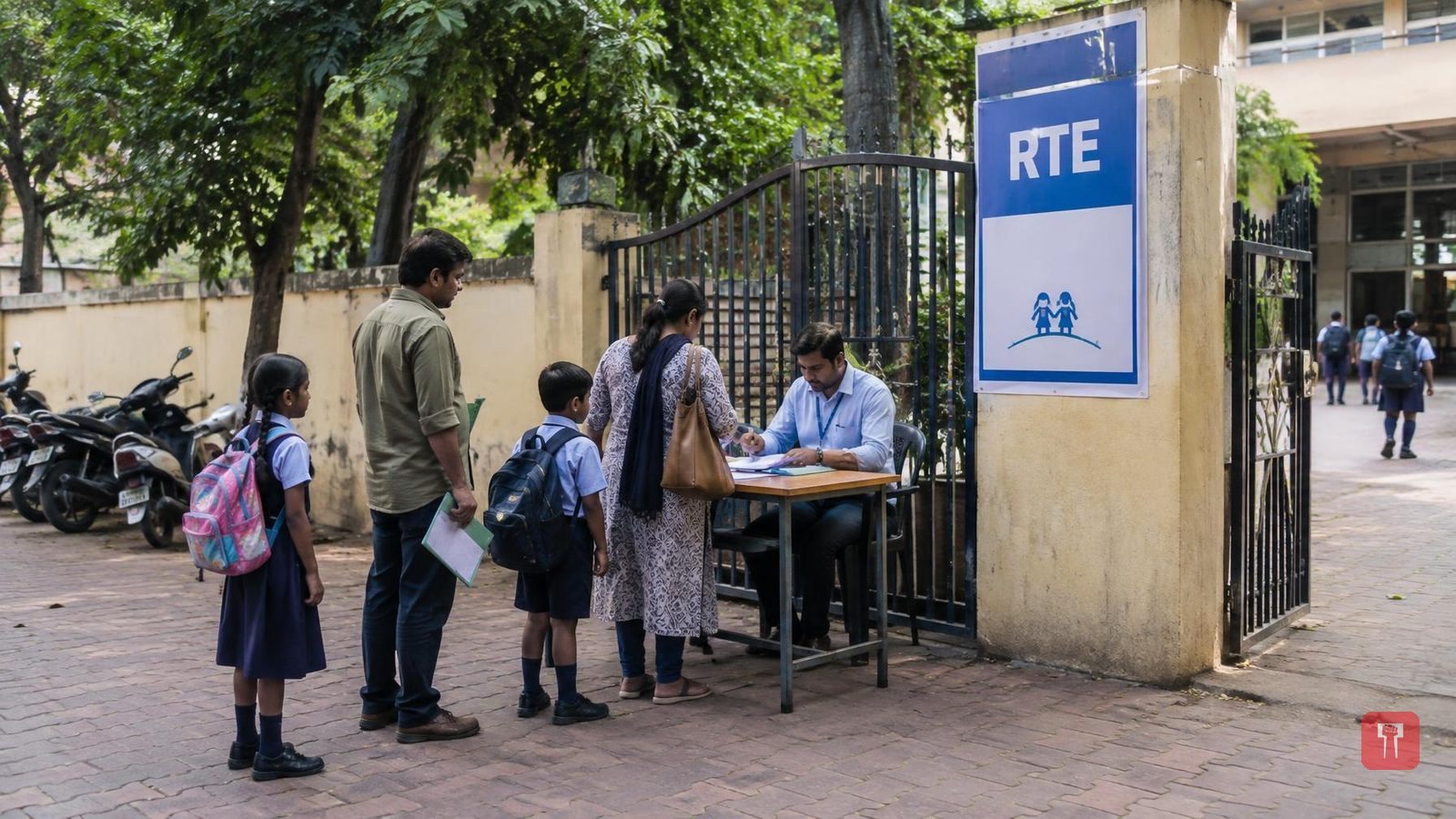
In Nagpur district, 25 percent of seats in private schools are reserved for disadvantaged and weaker section children under the Right to Education Act, or RTE. But administrative negligence appears to be defeating the purpose of the law.
Data from the last five academic sessions shows that not a single year has seen 100 percent admissions on these reserved seats. Instead, hundreds of seats remain empty every year, raising the question of who is responsible for this failure.
According to the education department, 762 reserved RTE seats remained vacant in 2022-23. This rose to 1,482 seats in 2023-24, and 1,527 seats in 2024-25, the highest in five years. Last year, in 2025-26, 1,007 seats remained vacant, and in the current 2026-27 session, 811 seats are still vacant.
The core purpose of the RTE Act in Nagpur district is to give children from economically weaker and disadvantaged families the opportunity for quality private education. But delays in the admission process, technical glitches, hassles in completing documentation, and lack of timely action by the administration cause considerable difficulty for many parents.
Last year too, the administration's disorganised functioning was reported to have dragged out the admission process. While RTE seats are not being fully filled on one hand, questions are also growing serious about the number of students and quality of education in Nagpur's government schools on the other.
This is also raising questions about the government's education policy. If filling all RTE seats is the administration's own responsibility, the question of why such a large number of seats remain empty every year, and who is accountable for the recurring problems in the admission process, is gaining force.
