

Saudi Arabia taps Israeli intel via US CENTCOM as Pakistan, Turkiye balk on Houthi threat
Facing Houthi drone and missile attacks, Saudi Arabia has begun receiving intelligence from Israel through US CENTCOM after Pakistan and Turkiye declined direct military help.
A major shift has emerged in Middle East politics and global security. Facing a serious security crisis from continuing Houthi drone and missile attacks and a naval blockade in the Red Sea, Saudi Arabia has chosen a major diplomatic route to protect its borders and key infrastructure. Despite having no formal diplomatic ties with Israel, reports say Saudi Arabia has begun receiving highly confidential intelligence, surveillance and reconnaissance (ISR) information from Israel through the United States Central Command, or CENTCOM.
This development is being attributed to the retreat of Saudi Arabia's old and new regional partners. Saudi Arabia, Pakistan and Turkiye had recently signed a mutual security agreement under which an attack on one country would be treated as an attack on all three. But when Saudi Arabia sought direct military help from Pakistan and Turkiye as the Houthi threat grew, both countries clearly refused to get directly involved in the war in Yemen. After this refusal, Saudi Arabia had to consider new and unexpected arrangements for its security.
Since Saudi Arabia and Israel have no official diplomatic relationship, Riyadh accepted American mediation instead of talking directly to Israel. This intelligence cooperation is taking shape through CENTCOM. Under this arrangement, Israel will give Saudi Arabia precise information on key Houthi positions, the movement of their combat units and missile bases.
According to reports in international newspapers, this cooperation is currently limited to sharing confidential security information. But political analysts believe this cooperation could put the historic Abraham Accords process between Saudi Arabia and Israel back on track in the future.
The latest dispute and security concern was heightened further by an incident involving a suspicious drone heading towards the city of Mecca. Saudi military officials had claimed they destroyed a Houthi drone headed towards the holy city of Mecca while it was still in the air. The Houthi rebels completely denied any claim of targeting Mecca, but the incident has alarmed the Saudi administration.
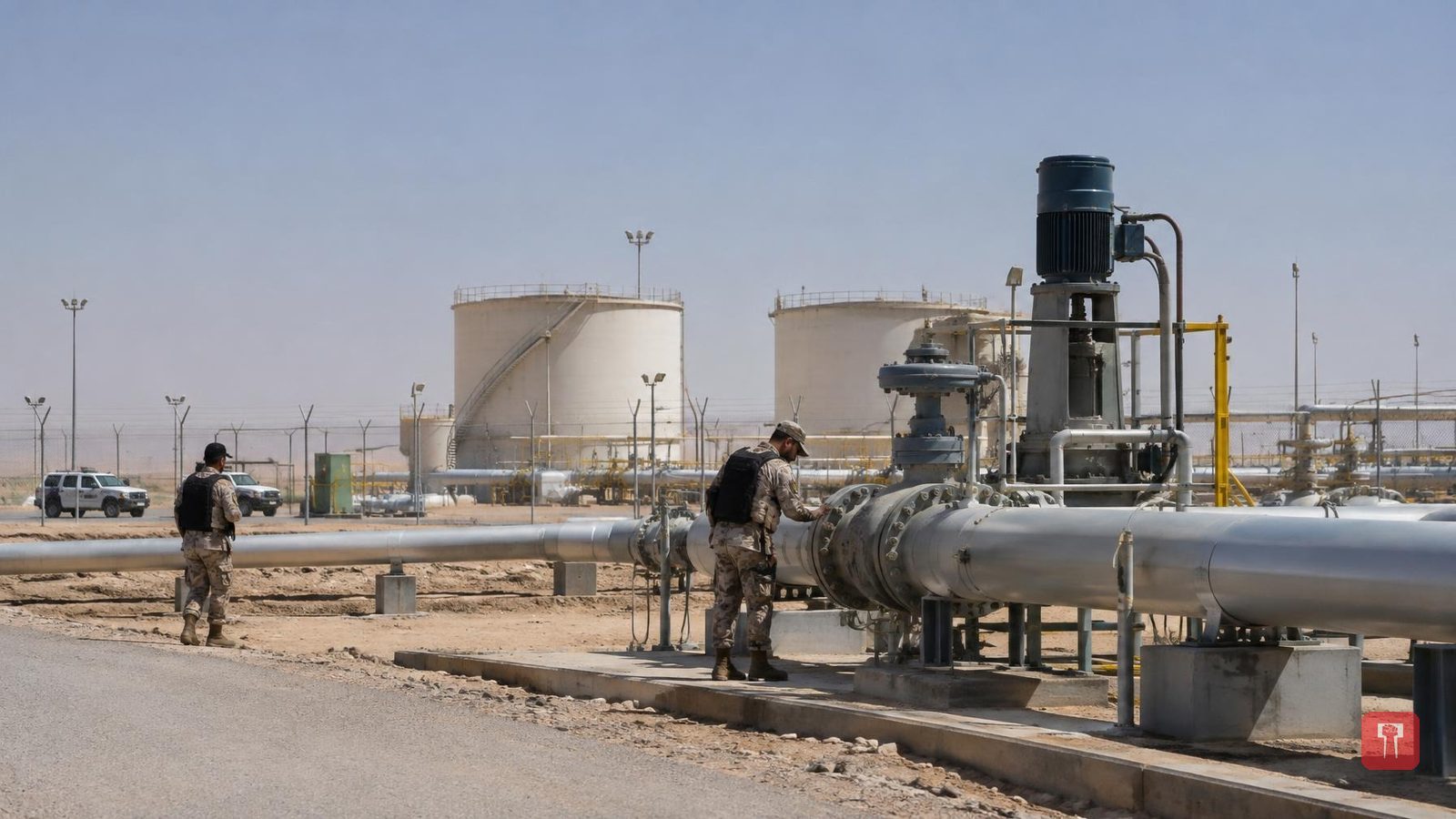
Houthi attacks have also directly affected Saudi Arabia's energy sector. Attacks on major Saudi oil pipelines, refineries and pumping stations disrupted oil supply to some extent. Attacks on ships in the Bab-el-Mandeb strait, which is extremely sensitive for international trade, also pose a major threat to global energy supply.
Pakistan and Turkiye's stance in this Saudi crisis has remained fairly complicated. Pakistan deployed its troops to strengthen security near the Saudi-Yemen border and sent a message to Iran to restrain the Houthis, but avoided entering direct combat. Turkiye too expressed support for Saudi security but refrained from taking any military action.
Overall, because of this approach by Pakistan and Turkiye, Saudi Arabia has decided to use Israel's technology and intelligence capability. This clearly signals that, setting aside old hostilities, a new security-driven partnership is taking shape in the Middle East.
