

DILRMP 3.0: every land parcel to get unique Bhu-Aadhaar number
Centre's new DILRMP 3.0 guidelines will give every land parcel a 14-digit ULPIN, or Bhu-Aadhaar, linking records, maps and ownership data.
The central government has issued new guidelines for the Digital India Land Records Modernisation Programme, or DILRMP 3.0, under which every parcel of land in the country will be given a unique 14-digit number known as Bhu-Aadhaar, or ULPIN (Unique Land Parcel Identification Number).
The scheme will run from 2026 to 2031 with a budget of about Rs 565.5 crore. The government's aim is not merely to digitise old paper records but to link land records, maps, registry details and ownership information with one another, which could make buying, selling and checking land records easier going forward.
Under DILRMP 3.0, every plot will get a 14-digit ULPIN number that will serve as its digital identity. This number will link land records with maps, and the maps will in turn be linked to their actual geographical location, making it easier to verify a plot's identity, boundaries and available records. However, this does not mean old documents become useless. Old register books, land papers and records will still need to be preserved, since digital records are not to be treated as final legal proof of land ownership.
The government is also focusing on preserving old land records within the digital system by scanning old papers and registry records, so that even decades-old land documents could eventually become part of the digital record. Separate land data will be prepared across states, and these will be linked to build a larger national land records system, which could reduce the need to visit multiple government offices for land-related information.
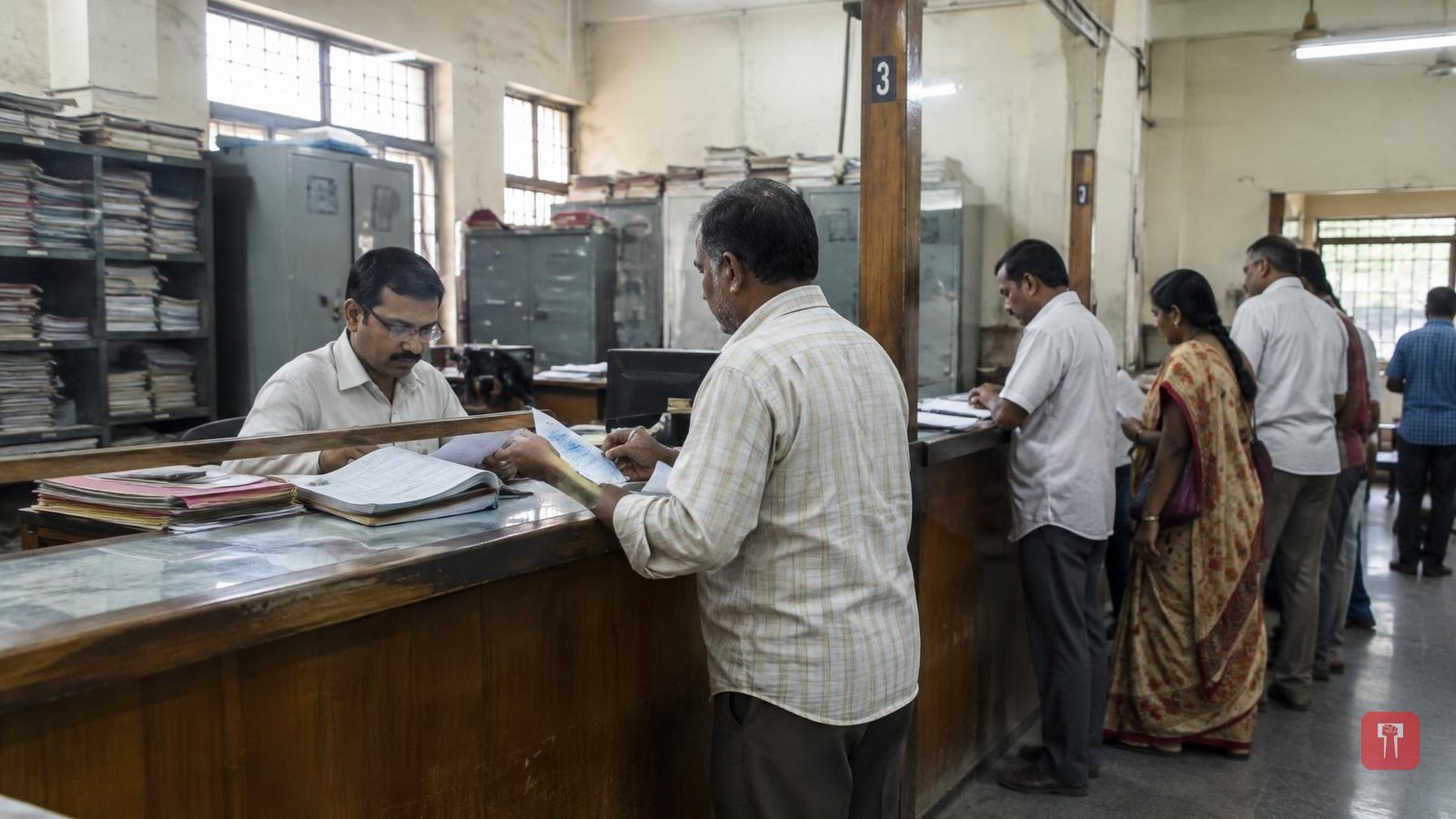
People often face long queues and multiple counters while getting land registered. To reduce this problem, the government is working on a plan to convert the country's 75 busiest sub-registrar offices into "Registration Service Centres." These centres are expected to offer more organised and digital land registration services, increasing transparency and saving people's time.
Land buyers and farmers are expected to benefit most from digital records, as it will become easier to check ownership records, maps and identification details of a plot before buying it. Digital land records could also help farmers while applying for bank loans, though loan approval will not be based on digital records alone, and other bank rules and eligibility conditions will still apply.
According to the government, 99.9 percent of ownership records and 97 percent of survey maps have already been digitised in earlier phases of DILRMP, while about 99 percent of sub-registrar offices have been computerised. DILRMP 3.0 will now focus on linking these scattered systems together. Even as the government pushes to make land records more secure, accessible and digital, it remains essential for landowners to keep their old register books and original documents safe.
