

AI photo filters put faces and personal data at risk, experts warn
Viral AI photo filters that create yearbook-style portraits are quietly harvesting biometric data that can never be changed once compromised, cyber security experts caution.
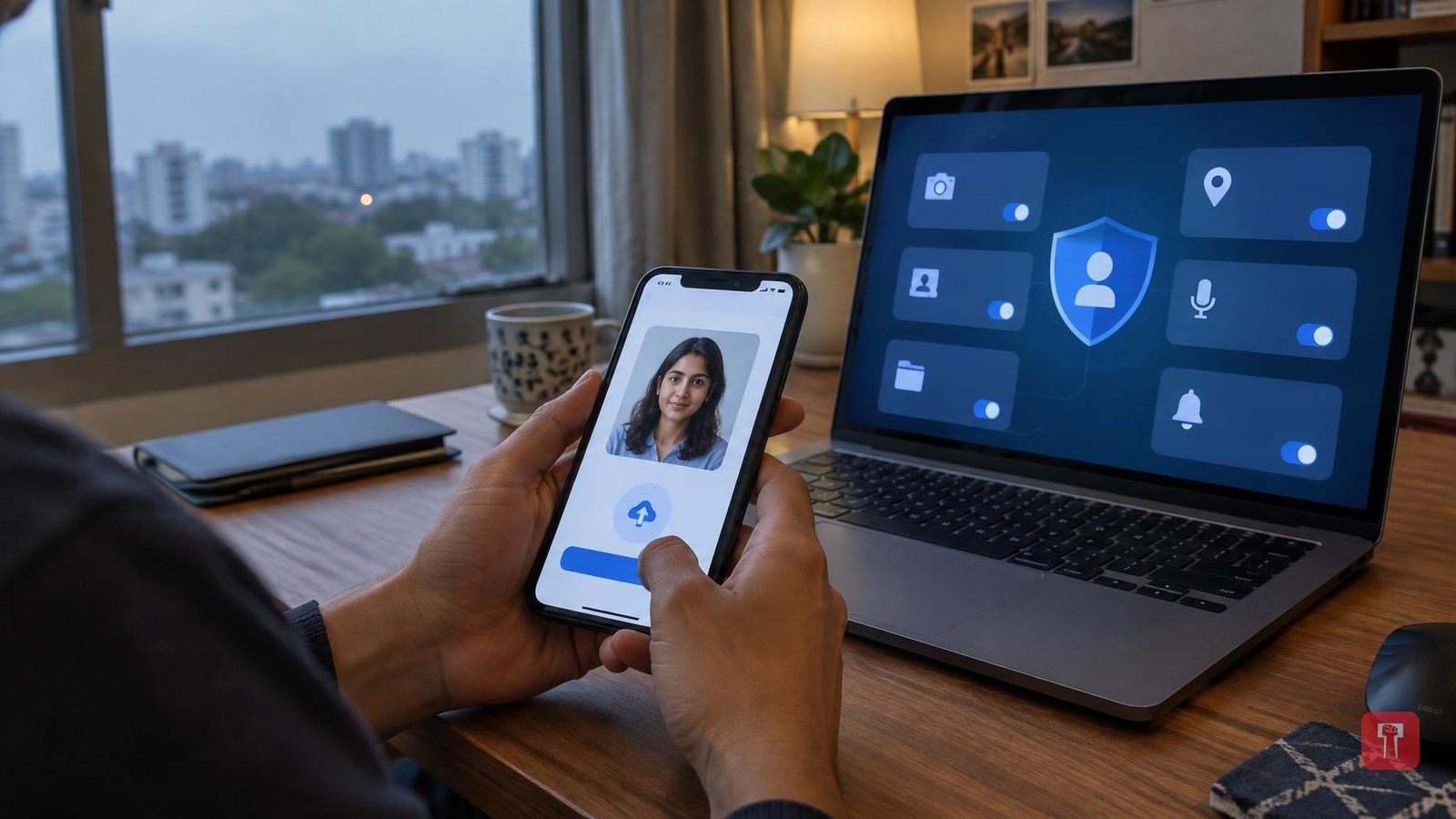
A new trend is spreading fast on the internet. Using artificial intelligence, people are turning their photos into 1980s-style yearbook portraits. The trend is spreading quickly on social media, and people are uploading their photos to these AI apps without much thought. It looks like a fun and harmless hobby, but from a cyber security standpoint, a major digital trap lies behind the glamour, and every user needs to understand it.
Old-style photo filters simply laid a colour tint over a picture, leaving a person's real identity untouched. Today's generative AI models work very differently. They closely scan facial structure, the colour of the iris and every fine detail of the face. When a photo is uploaded, the user unknowingly hands over biometric data to these tech companies for free. A leaked password can be changed at once, but a face and biometrics can never be changed. This data can later be misused to steal identity, commit financial fraud, or even create deepfake videos in someone's name.
The risk is not limited to large, well-known AI apps. When a filter goes viral, hundreds of fake and suspicious apps also appear on the Play Store. Under the guise of changing photos, these apps ask for access to the phone's gallery, contact list, microphone and even location. Some of these apps contain code that records finger movements on the keyboard, raising the risk of net banking passwords being stolen. Beyond that, metadata hidden in personal photos can give cyber criminals the exact GPS location of a home. These AI filters and odd trends will vanish from feeds within days or weeks, people will move on to new trends and old photos will become history. But once biometric data reaches company servers or falls into the hands of cyber criminals, it can never be deleted.
Services that appear free on the internet are often a company's biggest business model. Uploaded photos are used to train AI models or are sold to data brokers. Many apps initially offer only two, three or five photos free and later charge a subscription fee for better results. Data on age, gender and location is also sold to advertising agencies for targeted ads.
To enjoy the technology safely, a few precautions are worth keeping in mind. Users should go into an AI tool's settings and turn off permission for model training at once, so the company cannot use their photos to train its systems. Rather than uploading a real photo, it is better to use only a text prompt, so the AI creates a virtual face without exposing the real one. If a photo must be uploaded, its metadata, meaning location and device information, should be removed first using phone gallery settings or another tool. Camera, storage and location access for untrusted apps on the phone should also be blocked immediately.
