

International Day of Democracy: why citizen participation matters
September 15 marks International Day of Democracy, a reminder that democracy depends on active citizen participation, not just voting.
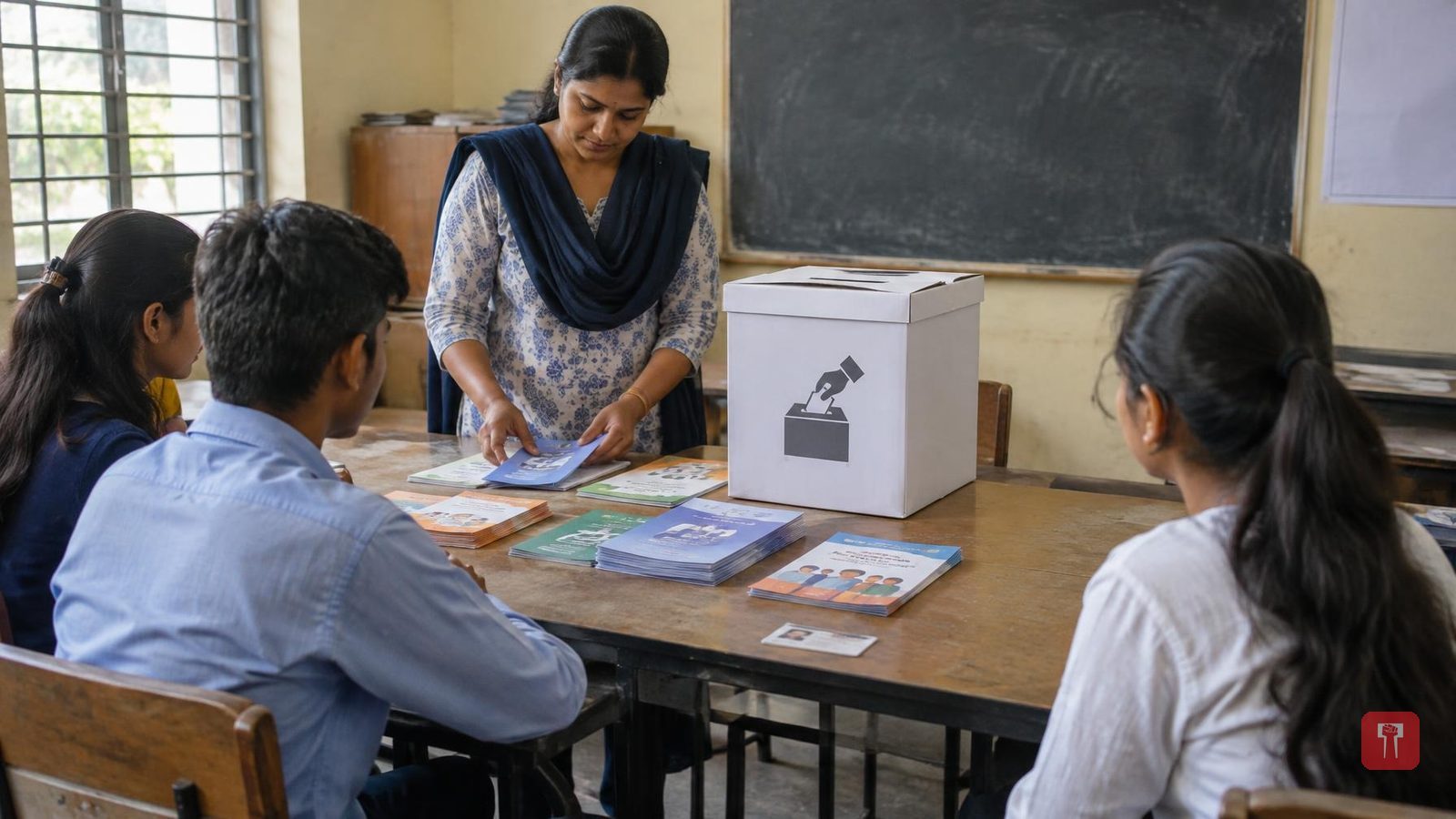
Democracy is not merely a way of running government, but a strong foundation for human freedom, rights and justice. A democratic system is considered essential to preserving peace, transparency and human rights in the world. To protect these values and to place the voice of the common citizen at the forefront, International Day of Democracy is observed around the world every year on September 15 with enthusiasm and seriousness. The day reminds countries across the world to ensure the basic rights of their citizens, freedom of thought and political participation. The progress and social balance of any country depends on how strong its democracy is, and this is the idea placed before the world through this day.
There is an important historical reason behind observing this day. On September 15, 1997, the Inter-Parliamentary Union (IPU) approved the Universal Declaration on Democracy. This declaration clearly laid out the principles of democracy, how it functions, and its importance at the international level. Following this, the UN General Assembly passed a resolution (Resolution 62/7) on November 8, 2007, declaring September 15 as International Day of Democracy. The aim of this decision was to encourage all member states of the world to strengthen democratic institutions, keep the electoral process transparent and respect civil liberties. Under this, the day was observed for the first time worldwide in 2008.
Democracy is the idea built on the principle of "government of the people, by the people, for the people." It gives every citizen equal rights, the opportunity to get justice and the freedom to express their views. But democracy is not just about casting a vote once every five years. Democracy stays alive only when citizens of a country actively participate in policymaking, social issues and government decisions. Democracy's roots grow deeper only when citizens question the administration, demand transparency and raise their voice against injustice. Accountability, the right to information, freedom of expression and the rule of law are considered the main pillars of democracy.
Every year on International Day of Democracy, the United Nations focuses on a special theme. On this day, seminars, discussions, speech competitions and rallies are organised worldwide by government and non-government bodies, schools, colleges and various social organisations. The purpose of these programmes is to spark interest in civics among young people, inform them of their basic rights and duties, and teach them how to protect democratic values. In today's technological era, special emphasis is also being placed on how citizen participation can be increased through digital democracy and the proper use of social media.
In today's changing times, democracy faces several new challenges. Misinformation, fake news, hate speech and restrictions on civil liberties have created the risk of weakening the foundation of democracy. International Day of Democracy sends the message that we must face these challenges and make democracy more inclusive. Ensuring that justice reaches the last section of society without discrimination based on caste, religion, gender or economic condition, and that everyone's voice is heard, is the real purpose of this day.
