

World Ozone Day: why September 16 is observed, history and significance
World Ozone Day is marked every September 16 to raise awareness about protecting the ozone layer, which shields the earth from harmful ultraviolet rays.
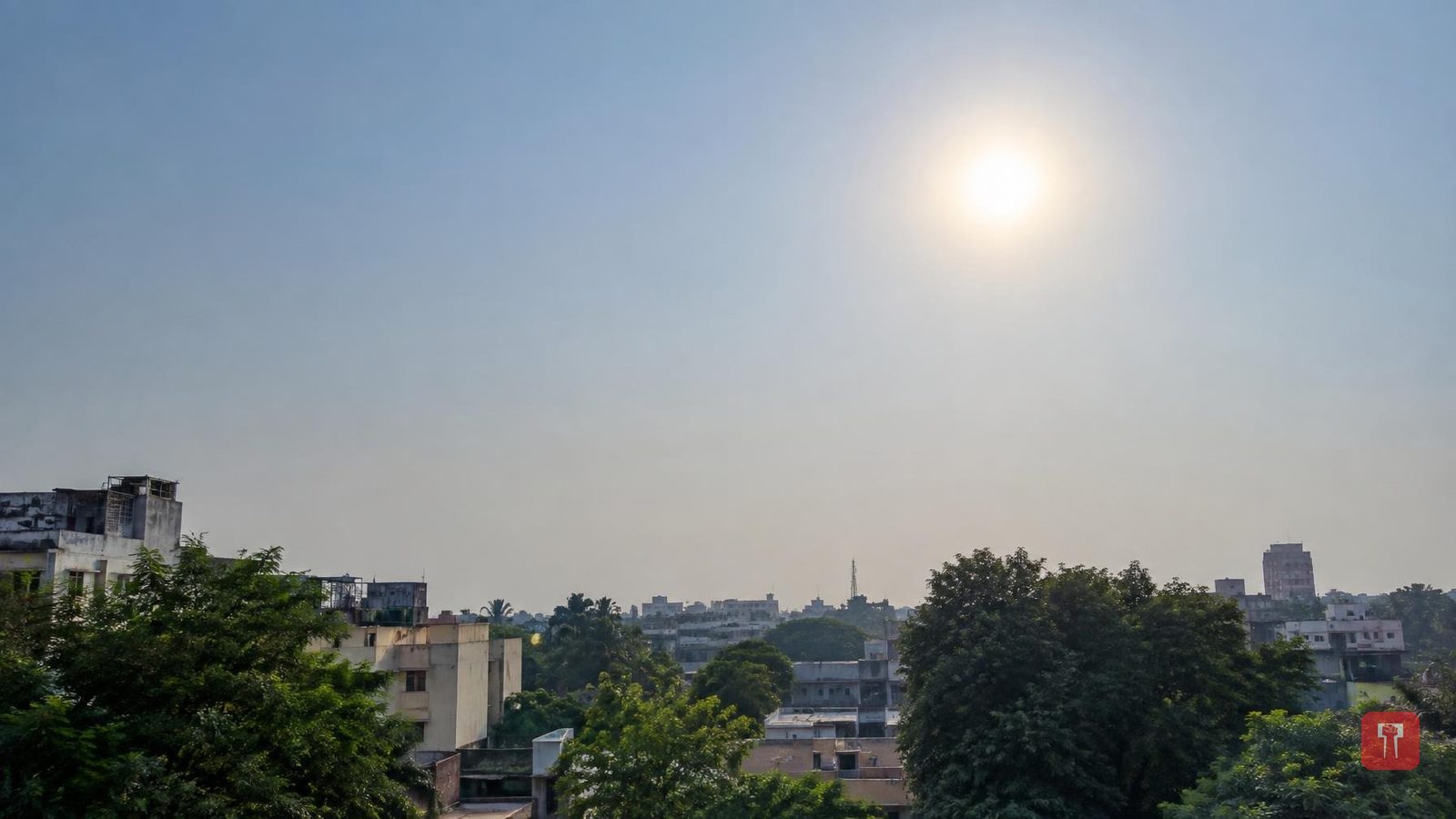
International Day for the Preservation of the Ozone Layer is observed around the world every September 16. The day aims to make people aware of the importance of protecting the ozone layer. The ozone layer plays a huge role in the earth's atmosphere, as it protects us from the sun's dangerous ultraviolet rays. If these rays were to reach the earth directly, they could cause skin cancer, eye diseases and also harm the growth of plants and trees.
The Montreal Protocol was approved in 1987, after which worldwide efforts began to protect the ozone layer. Under this agreement, curbs were placed on the use of chemicals that damage the ozone layer. Because of these efforts, the ozone layer is now gradually returning to its earlier state.
September 16 is also recorded in history for several other events. In 1620, the ship Mayflower set sail from the port of Southampton for North America. In 1908, the General Motors Corporation was founded. In 1935, Bank of Maharashtra was registered under the Indian Companies Act. In 1945, Japanese forces in Hong Kong surrendered during the Second World War. In 1963, Malaya gained independence and the country adopted the name Malaysia; the same year saw the first demonstration of the Xerox 914 photocopying machine. In 1975, Papua New Guinea gained independence from Australia. Also in 1987, the Montreal Protocol was signed to curb the depletion of the ozone layer. In 1997, Rajeev Balakrishnan set a national record at the ITC International Competition by completing the 100 metre race in 10.50 seconds, and that same year retired teacher Pandit Ghulam Dastagir Abbas Ali Birajdar was given the National Sanskrit Pandit Award.
Several well-known figures were also born on this date. France's King Charles VI was born in 1380. England's King Henry V was born in 1386. Nobel laureate German doctor Albrecht Kossel was born in 1853. Bentley Motors' W. O. Bentley was born in 1888. Vamanrao Sadolikar, a singer of the Jaipur-Atrauli gharana, was born in 1907. Kamalabai Ogale, author of the book Ruchira, was born in 1913. Chaudhary Devi Lal, India's former deputy prime minister and two-time chief minister of Haryana, was also born on this day in 1914. Renowned classical singer M. S. Subbulakshmi was born in 1916. Singapore's first prime minister Lee Kuan Yew was born in 1923, and Ireland's prime minister Charles Haughey in 1925. Nature poet and experimental farmer Na. Dhondopant Mahanor was born in 1942, former Union finance minister P. Chidambaram in 1945, sitar player Sanjay Bandopadhyay in 1954, and American magician David Copperfield in 1956.
September 16 has also seen the deaths of several notable people. German scientist Daniel Fahrenheit died in 1736, and France's King Louis XVIII died in 1824. Louis Reard, inventor of the bikini, died in 1984. Sir Ronald Ross, the scientist who won the Nobel Prize for discovering the malaria parasite, died in 1932. American animation filmmaker Fred Quimby died in 1965, and Gangadharrao Narayanrao Mujumdar, trustee of the Parvati Sansthan and a musician, died in 1973. Hindustani classical singer Kesarbai Kerkar died in 1977, and writer, playwright and journalist Jaywant Dalvi died in 1994. Gordon Gould, inventor of the laser, died in 2005, and IMAX co-founder Roman Kroitor died in 2012.
