

Rishi Panchami 2026: the shlok honouring seven sages and the fast's meaning
Rishi Panchami falls on September 15 this year, marked by a special fast, a vegetable dish and a shlok recalling seven ancient sages
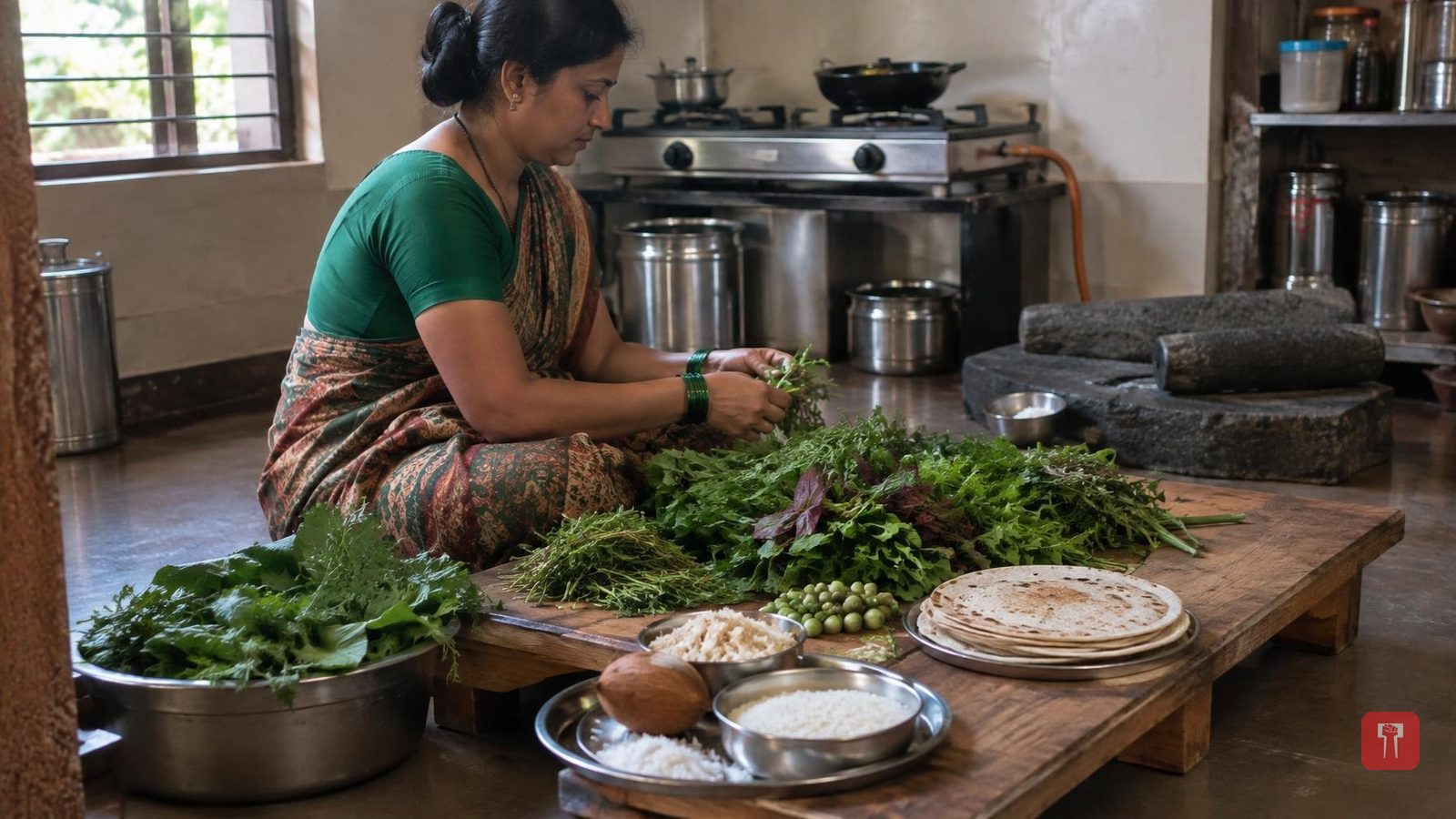
Every festival is known by its special dish, and Rishi Panchami is no different. Even people who otherwise turn up their noses at boiled vegetables all year eat the Rishi Panchami bhaji with relish on this day. It is served with rice bhakri, and the bhaji itself is made without a drop of oil, using only coconut.
But the festival is not just about food. Its real meaning is remembering the sages. This is why the date of Bhadrapada Shuddha Panchami is fixed for it. The festival falls the day after Ganesh Chaturthi, and this year Rishi Panchami is on September 15. On this day, grain grown through the labour of bullocks is not eaten. Instead, people fast by eating hand-pounded rice, ranbhaji and rishi bhaji. The idea behind this is that the sages stayed healthy and lived long lives by eating tubers and leafy vegetables.
On Rishi Panchami, there is a tradition of reciting a shlok after bathing or during worship, naming the seven sages: Kashyap, Atri, Bharadwaj, Vishwamitra, Gautam, Jamadagni and Vasishtha, who are considered to have given us knowledge. It is said that simply reciting these seven names calms the mind and removes obstacles in life.
Our sages practised penance in the forest and gave us knowledge such as the Vedas, Upanishads, Ayurveda, astronomy and mathematics. The gotra we are born into and the knowledge we use every day are all their gift. Their contribution can never be repaid, but this day is observed to remember and thank them, at least in some measure. The fast is also kept to wash away the faults of everyday mistakes, whether small creatures are harmed knowingly or unknowingly, or someone's feelings are hurt in speech, and to cleanse the mind.
On Rishi Panchami, vegetables grown on unploughed land are eaten, that is, ranbhaji, where bullocks have not laboured. This bhaji is made by mixing colocasia leaves, amaranth, red pumpkin, ivy gourd, ridge gourd, elephant foot yam and pointed gourd, with tubers and coconut milk added. There are two main reasons behind this. First, so that bullocks get rest, since bullocks that plough fields all year should get at least one day off. The second reason is about health. Digestive power weakens during the monsoon, and this ranbhaji, being natural, flushes toxins from the body, improves digestion and boosts immunity.
As per tradition, worship involves waking early, cleaning teeth with an aghada twig, and bathing after applying sesame seeds to the body. After this, seven areca nuts or small heaps of rice are placed on a wooden seat to represent the seven sages and Arundhati, and worship is offered to them. After the worship is complete, people join their hands and say: sages, forgive any mistake we have made in body, mind or speech, and grant us good intellect, good thoughts and good health. This bhaji should not be eaten merely to indulge the tongue; observing Rishi Panchami truly means remembering the knowledge given by the sages and respecting nature.
