

On Pithori Amavasya, mothers observe a fast and puja for their children's wellbeing
The lunar fasting day falls on September 10 this year, with mothers praying for their children's health, long life and prosperity
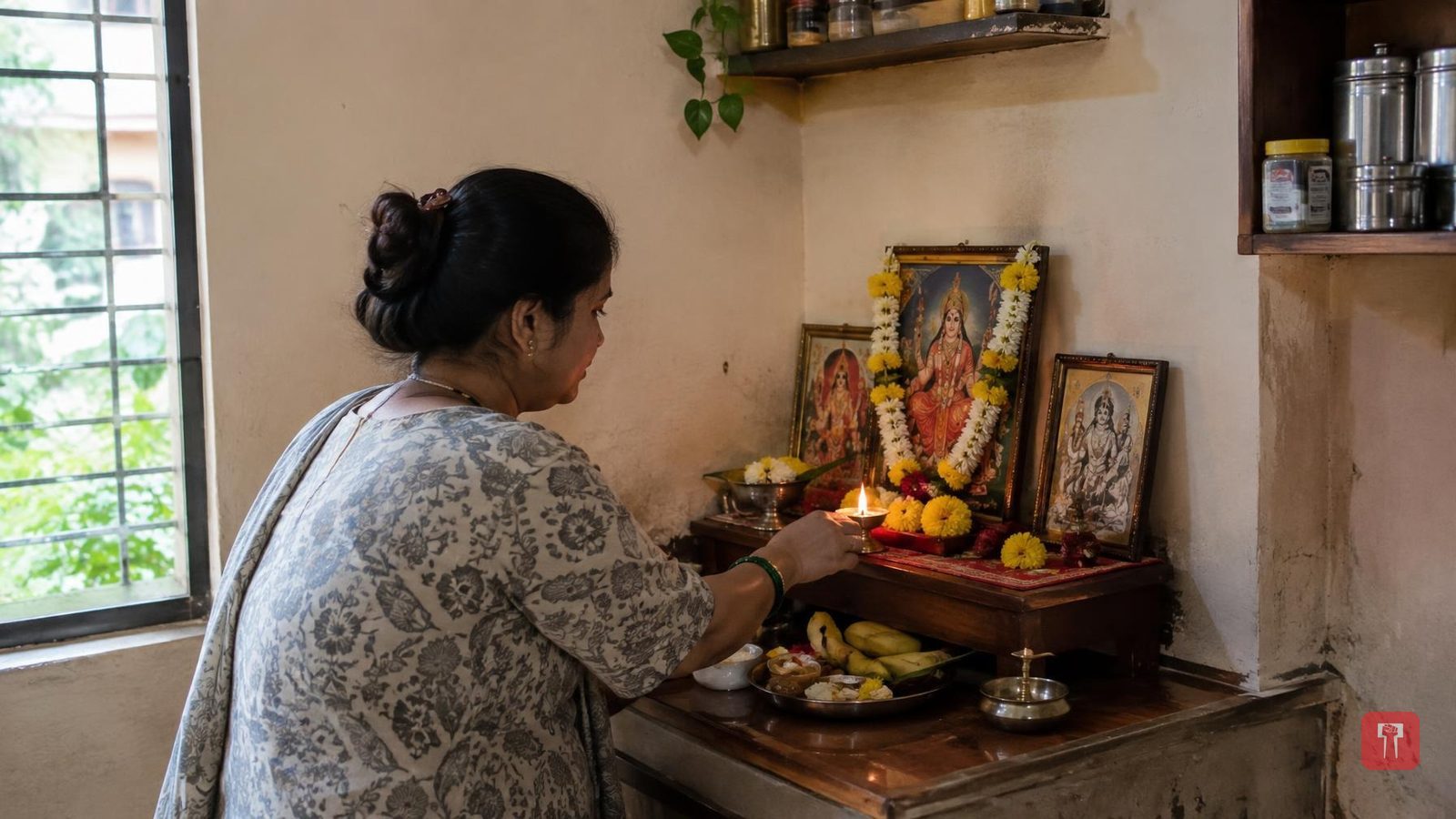
Every amavasya, or no-moon day, holds religious significance in Hinduism, but Pithori Amavasya carries special meaning for women and mothers. On this day, mothers perform a special puja for their children's health, long life and prosperity. The tradition of devoutly worshipping the goddess and praying for children's wellbeing has continued for years.
According to the Hindu calendar, Pithori Amavasya falls on Thursday, September 10, this year. The amavasya tithi begins at 10:33 am on September 10 and continues until 8:56 am on September 11. This is why the fast and puja will be observed on September 10.
The amavasya that falls in the month of Shravan is called Pithori Amavasya. On this day, mothers observe a fast and perform puja with the aim that their children live long lives free of trouble. This tradition is still observed with full devotion in Maharashtra and some other parts of the country.
On this day, women wake up early, bathe and take a vow to observe the fast. The Pithori Devi is installed and worshipped in the household puja room. During the puja, prayers are offered for the children's good health, long life and happiness.
The 64 yoginis are also considered important in this puja. In some places, images or symbols of the 64 yoginis are placed alongside Pithori Devi and worshipped together. These yoginis are considered to represent different powers of the goddess.
There is also a specific reason behind the name "Pithori". In some places, it is customary on this day to shape idols of the goddess or figures of various deities out of pitha, or flour, and worship them. It is believed this is how the amavasya came to be called Pithori Amavasya.
The fast of Pithori Amavasya is considered a symbol of a mother's affection and her concern for her children. The sentiment behind this puja is simply that the children's lives remain healthy and happy and free of misfortune.
On this day, prayers for the children's health are offered by lighting a lamp before the goddess, offering bhog and performing the puja according to ritual. In many families, it is also customary to prepare special bhog and traditional dishes on Pithori Amavasya.
Pithori Amavasya is not just a religious custom but also a day that expresses a mother's affection, devotion and concern for her family's wellbeing. On this day, the goddess is worshipped and prayers are offered for the children's bright future and long life.
