

What to do when a panic attack strikes, to calm the heartbeat and fear
Simple steps like staying still and controlling breathing can ease a panic attack's symptoms until the body settles down.
People often suddenly notice changes in their body: a racing heartbeat, a tight or uneasy chest, trouble breathing, sweating, intense fear, trembling and dizziness. These frightening symptoms appear together. The fear that builds in the mind throws the body's balance off, which affects its other functions too. Losing control over the mind can bring on dizziness or a feeling of losing one's balance.
It is important to understand that these symptoms are not from an ordinary illness but appear after a panic attack. There is a big difference between a heart attack and a panic attack. Heightened fear in the mind makes the body's symptoms sharper and worsens how a person feels. If these symptoms increase over time, it is important to consult a doctor and get proper treatment. Here are steps to take immediately for relief when a panic attack strikes.
The first thing is that as soon as a panic attack or its symptoms appear, it is important to stay calm, otherwise the symptoms get worse. If you feel panicky, sit quietly where you are instead of running from the place. The discomfort will ease after a short while, and the body will gradually return to normal. Keep reminding yourself that everything will be fine in a few minutes. Do not panic over every change you notice in the body.
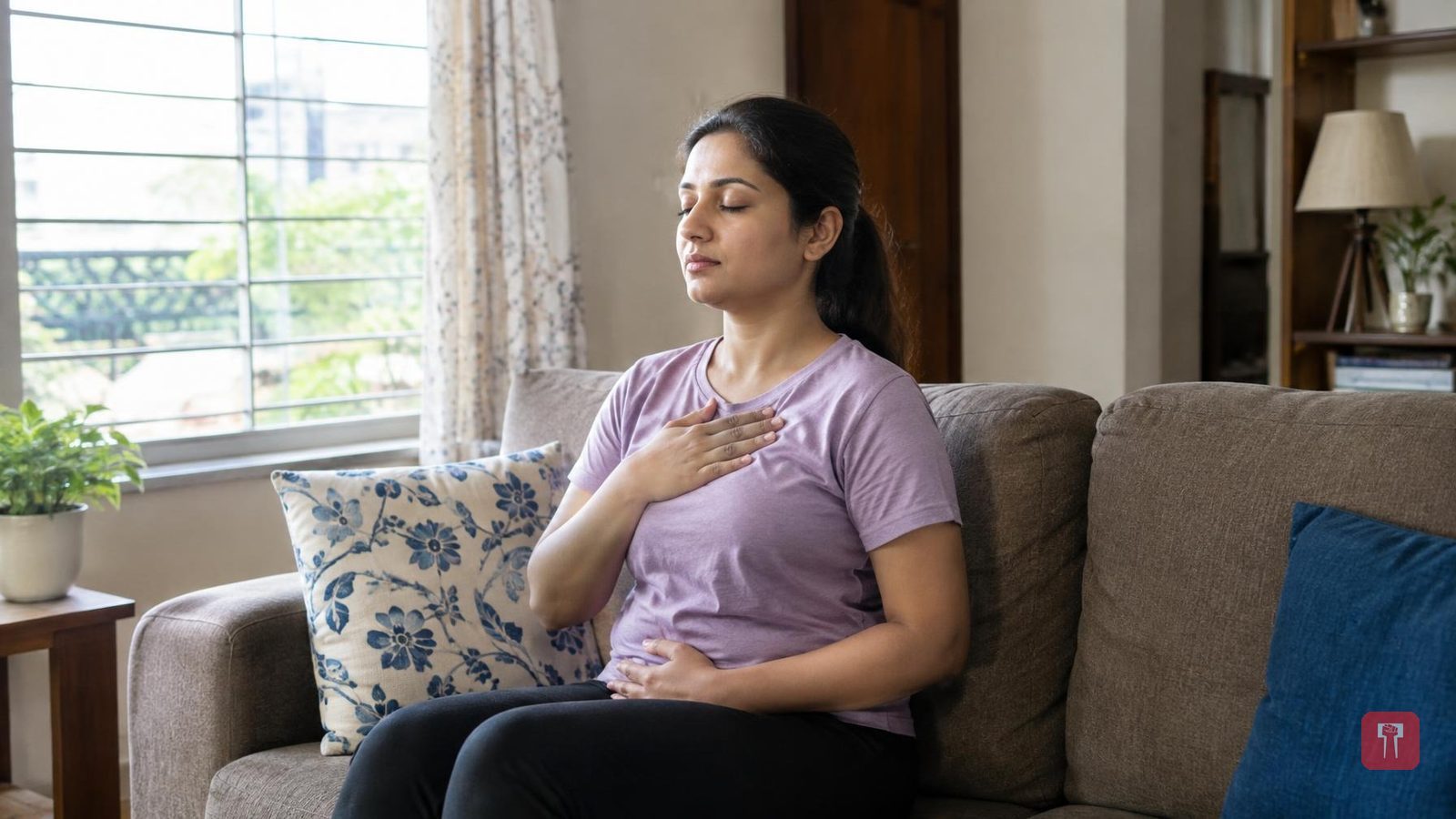
The second step is controlling the breath. During a panic attack, breathing hard or fast can worsen dizziness, numbness and breathlessness. So it is important to keep the breath under control during this time. Instead of taking very deep breaths, breathe in and out slowly and at a regular pace. Slow breathing from the abdomen activates the nervous system's relaxation mechanism, which helps bring the heartbeat back to normal.
The common symptoms of a panic attack include a pounding chest or a rapidly increasing heartbeat. Others include sudden sweating all over the body, trembling of the hands or legs, breathlessness or a choking feeling, discomfort or pain in the chest, and lightheadedness or a feeling of dizziness as if about to fall.
This information is for general knowledge only and does not claim to offer any treatment. Consult your doctor before trying any remedy.
