

How to become a cricket scorer: eligibility, role and salary explained
A look at what cricket scorers do, how to qualify through BCCI exams, and how much they are paid per match
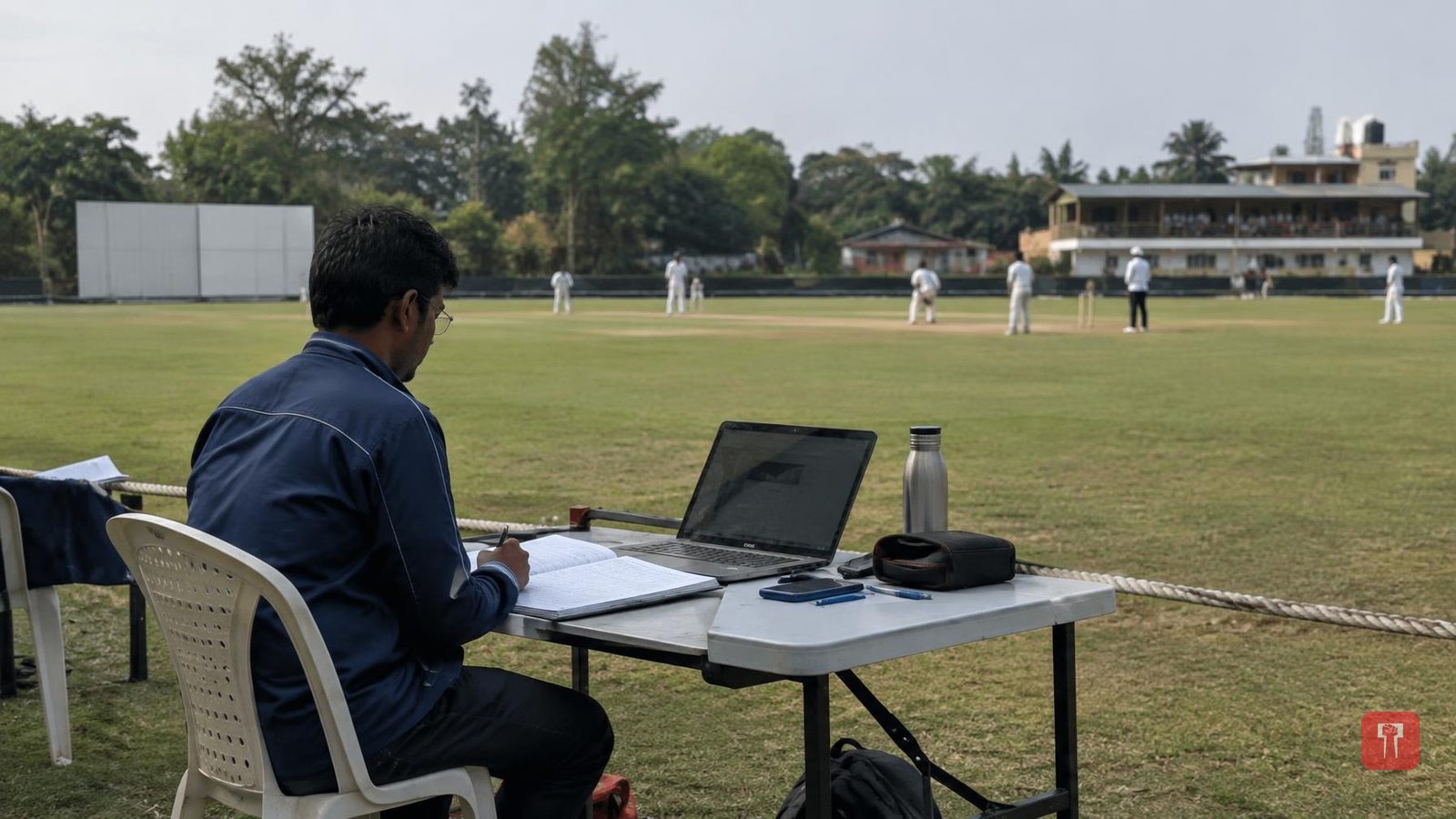
When a batter scores runs, a bowler takes a wicket or something notable happens in an over on a cricket field, every one of these events is recorded. While watching a match on television, attention usually stays on the players and their performance, but off the field and behind the scenes there are people who keep track of every ball and every run. One key role in this is that of the cricket scorer. As the use of data in cricket has grown, the role of these professionals has become increasingly important. Here is a look at who keeps track of cricketers' records and how to get a job in this field.
The scorer's main job is to note every important action during a match: how many runs a batter is scoring, how many wickets a bowler has taken, what happened in an over, and the state of the team's score. For this, a scorer needs a good understanding of the rules of cricket along with maths and English. Understanding calculations such as strike rate, batting and bowling average, required run rate and net run rate is also part of the job.
The first step to becoming an official scorer is considered to be joining a local cricket association, where a scorers' exam is held every year. After passing the local-level exam, candidates must take the state cricket association exam. Only after scoring 80 percent marks in the state cricket association exam does one become eligible to sit for the BCCI's scorer exam. This means that to progress in this field, knowledge related to cricket studies as well as exams and scoring is necessary. Besides the BCCI, the ICC also runs several training programmes. Courses can also be done through the National Institute of Sports, and several private institutes offer this course as well.
Scorers are usually paid per match or per day rather than a monthly salary. According to available information, BCCI state panel scorers get 3,000 rupees for a match. For domestic matches, the payment is 15,000 rupees per day, and for Test matches it is also 15,000 rupees per day. If a Test match ends before the fifth day, the scorer is still paid for five days. Scorers also receive a daily allowance.
Cricket today is no longer just about performance on the field; the use of data in teams' decisions has been growing steadily. In tournaments like the IPL, data on a player's performance, batting and bowling ability, the opposing team's weaknesses and team combinations is analysed. Data analysts track changes in a player's performance over time while also identifying their strengths and weaknesses. Data is also used to analyse players' workload patterns and past injury records to understand the likely risk of injury.
