

Jyeshtha Gauri 2026: dates and timings for welcome, worship and farewell
Maharashtra's Jyeshtha Gauri festival runs September 17 to 19 this year, with fixed timings for each ritual day
 Images are not validated/verified
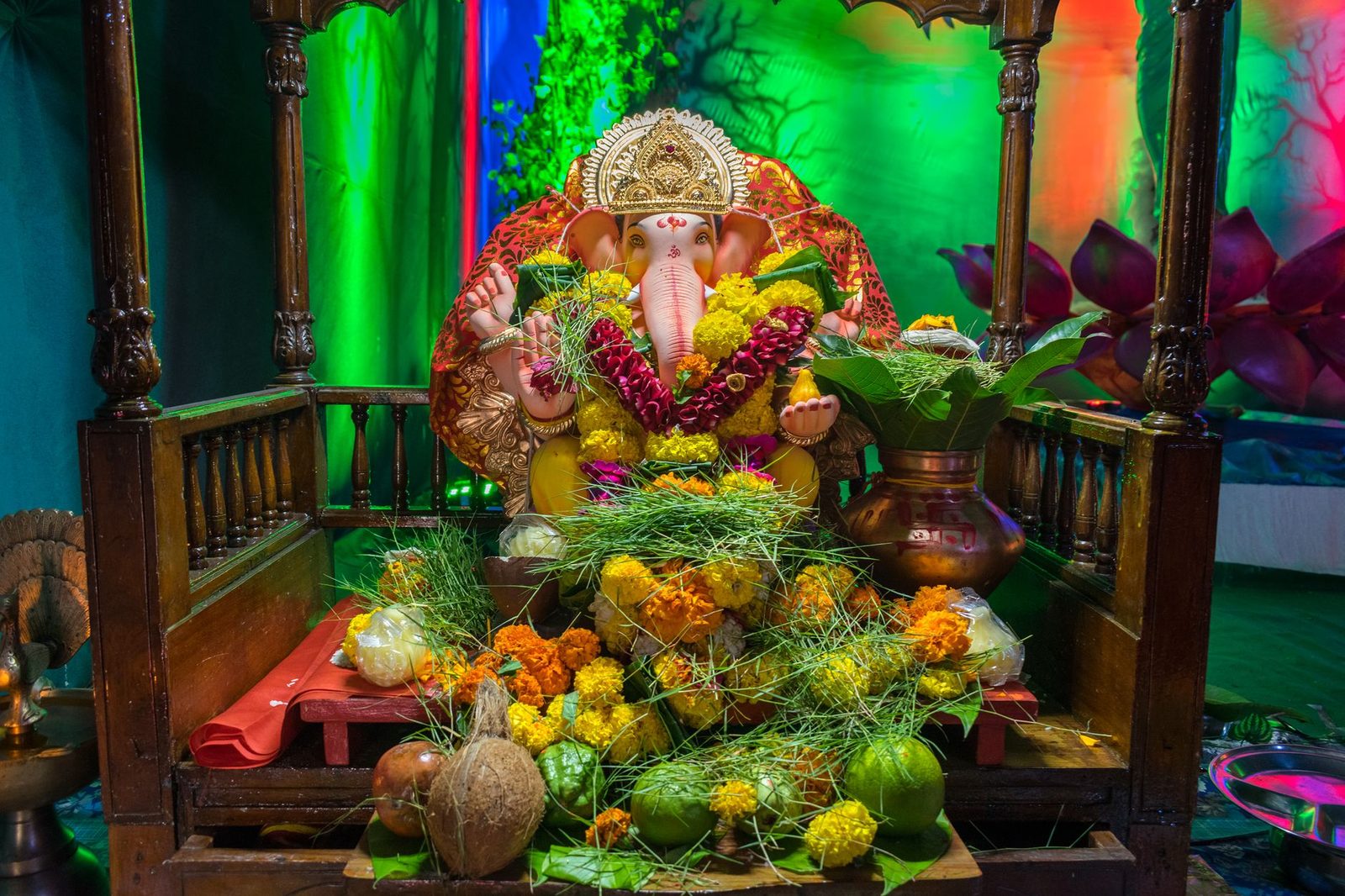
Three days after Ganesh Chaturthi, Maharashtra welcomes a special guest known as Jyeshtha Gauri. According to belief, Gauri (Mahalakshmi), the mother of Ganpati, comes to stay at her son's home for three days. She is welcomed with much fanfare on the first day, worshipped and offered food on the second day, and bid a tearful farewell on the third day. In Maharashtra, the festival is respectfully called "Gauri-Ganpati".
According to scripture, the invocation is done on Anuradha Nakshatra, the worship on Jyeshtha Nakshatra and the immersion on Mool Nakshatra. In 2026, Ganesh Chaturthi falls on September 14, while Anant Chaturdashi falls on September 25. The three days of Gauri fall between these two dates.
Gauri Avahan, or the invocation, will take place on Thursday, September 17, 2026. Anuradha Nakshatra will be in effect that day, and it is considered highly auspicious to perform the invocation before 7:52 pm. The second day, Gauri Pujan, falls on Friday, September 18, 2026, during Jyeshtha Nakshatra. The worship can be performed at any time during the day, while the main food offering (mahanaivedya) is made in the afternoon. The third day, Gauri Visarjan, falls on Saturday, September 19, 2026, during Mool Nakshatra, and the immersion can be carried out from sunrise until 3:15 pm.
There are two stories associated with Gauri's arrival. According to the first belief, Gauri is a form of Goddess Parvati herself, who comes as a guest to her son Ganpati's home for three days, and is cared for during this period just as a mother is looked after at her son's house. According to the second story, married women troubled by the tyranny of demons prayed to Mahalakshmi on Bhadrapada Shukla Ashtami, after which the goddess destroyed the demons and saved the women's marital fortune. For this reason, the festival is also called "Mahalakshmi Pujan" in Vidarbha and Marathwada.
Two Gauri idols are always installed in the home, Jyeshtha (the elder sister) and Kanishtha (the younger sister). Both idols, representing Lakshmi and Alakshmi, are worshipped together in the belief that honouring both sisters brings prosperity to the household.
On the first day, September 17, small footprints are drawn with rangoli from the main door of the house to the place where Gauri is installed. A married woman of the household carries the idol or mask of Gauri into the house, pausing at the kitchen, the safe and the water storage area, where she is asked, "On whose feet has Gauri arrived?" The reply given is, "She has arrived on feet of gold, bringing wealth and grain." A kalash is then installed and Gauri is offered rice, a coin, a piece of turmeric and betel nut. On the first night, a simple meal of vegetables and bhakri is offered.
On the second day, September 18, Gauri is dressed in a new sari, bangles, a nose ring, a mangalsutra, kajal, a bindi and fresh flowers, especially garlands of durva grass and roses, as part of a full traditional adornment. On this day, 16 varieties of leafy vegetables, puran poli, 16 laddus, karanji, chakli, ambil and ghee-rice are offered as the mahanaivedya. In the afternoon or evening, married women from the neighbourhood are invited for haldi-kumkum, and an overnight vigil is held with Gauri songs and games such as jhimma and phugdi.
On the third day, September 19, Gauri is offered a light meal of curd rice, similar to what is given to someone setting out on a journey. Married women apply haldi-kumkum to each other and to Gauri, praying for her early return the following year. Metal or durable masks are stored away for future use, while clay idols are immersed, and the water is later poured into a tulsi plant or at the base of trees.
