

Want to become a spy? Here is the real path into RAW, IB and NIA
Intelligence agencies recruit mainly through UPSC, SSC CGL and IB ACIO exams, not secretly, and demand a degree, clean record and sharp mind.
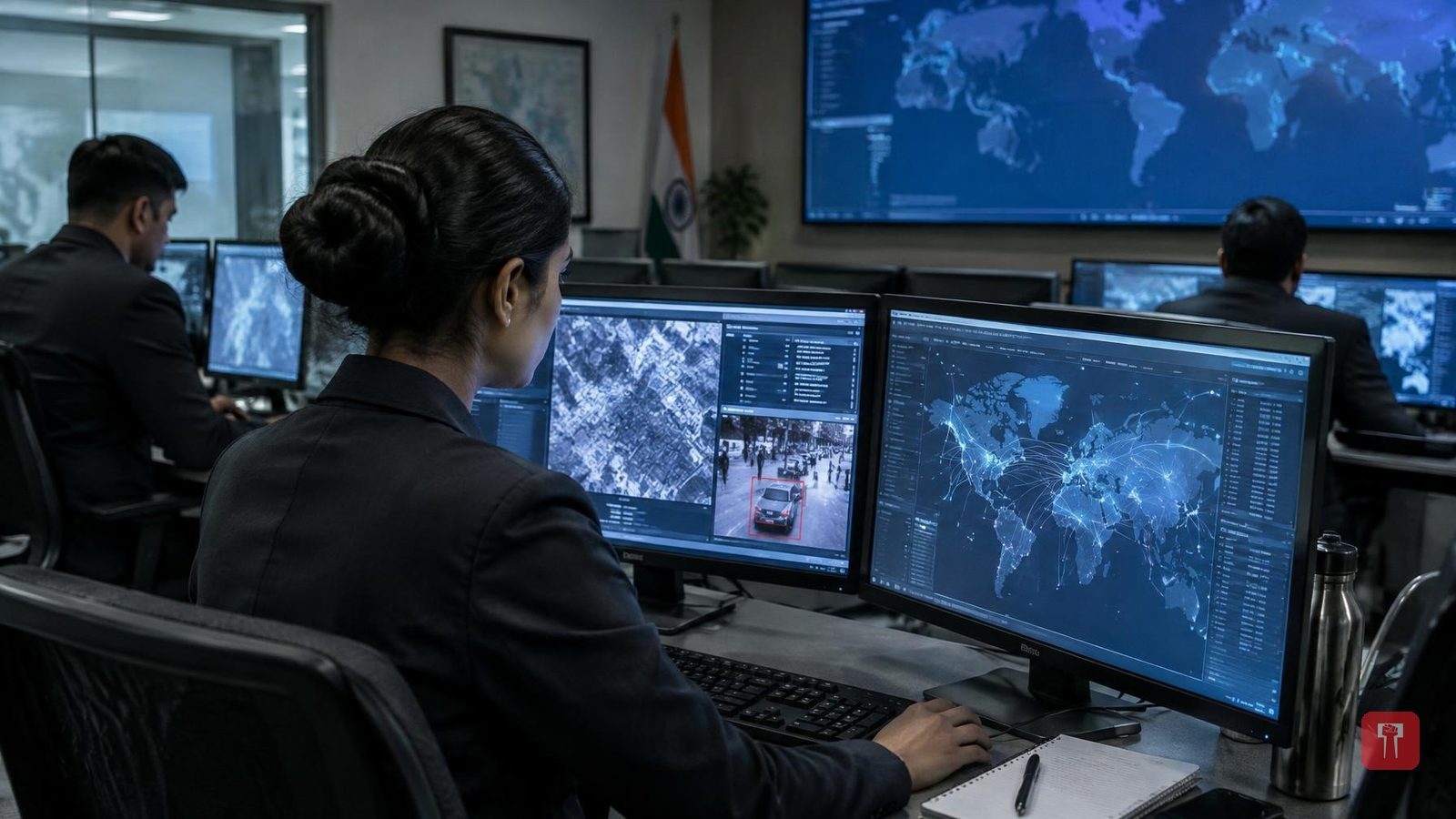 Images are not validated/verified
Intelligence officers, often shown in films and web series decoding secret codes and outwitting enemies in thrilling missions, actually carry out a far tougher and less glamorous responsibility behind the scenes to protect the country.
Agencies that work away from public view are often the first and last line of defence for any nation. In India too, several powerful agencies keep a close watch on threats both inside and outside the country. But joining these agencies is no easy task. It requires book knowledge along with a sharp mind, strong presence of mind and unwavering loyalty to the country.
The question then is how one actually gets an entry into this secret world, and whether there is a form to fill and a long, difficult administrative process to go through.
The Research and Analysis Wing, or RAW, is responsible for gathering intelligence outside the country's borders. The Intelligence Bureau, or IB, and the National Investigation Agency, or NIA, monitor activities within the country. State Intelligence Units handle security at the local level in individual states. Each of these agencies works differently, but all share the same goal of national security.
There is no fixed shortcut to joining these agencies. The general eligibility requires at least a graduation degree from a recognised university. Candidates are usually required to be between 18 and 30 years of age. They must be Indian citizens with no criminal record, and must also be in good mental and physical health, since the work can involve extremely difficult and stressful conditions.
Many people believe that spies are recruited quietly and secretly, but that is not the case. Most recruitment happens through the country's major competitive examinations. Clearing the UPSC Civil Services Examination can lead to administrative posts that are part of the intelligence wing. Direct recruitment to posts such as Assistant Central Intelligence Officer also happens through the Staff Selection Commission's SSC CGL exam and the IB's ACIO exam. These examinations test candidates on reasoning, English, quantitative aptitude and general awareness.
Clearing a degree or a government exam is not enough on its own. A successful intelligence officer also needs certain practical qualities. Sharp observation skills, meaning the ability to remember even small details, are essential. An analytical mind, a calm temperament, knowledge of multiple languages and immense patience also matter a great deal. Officers often have to work while concealing their real identity, which requires considerable mental strength. Ultimately, a genuine spirit of service to the nation combined with the ability to keep a clear head in any situation is what carries a person through this difficult but exciting journey.
