

US strikes Iran oil tankers, Iran hits Jordan base with 20 missiles, seizes drone
US and Iranian forces traded strikes across the Gulf and Jordan, with Iran claiming it seized a US submarine drone in the Strait of Hormuz
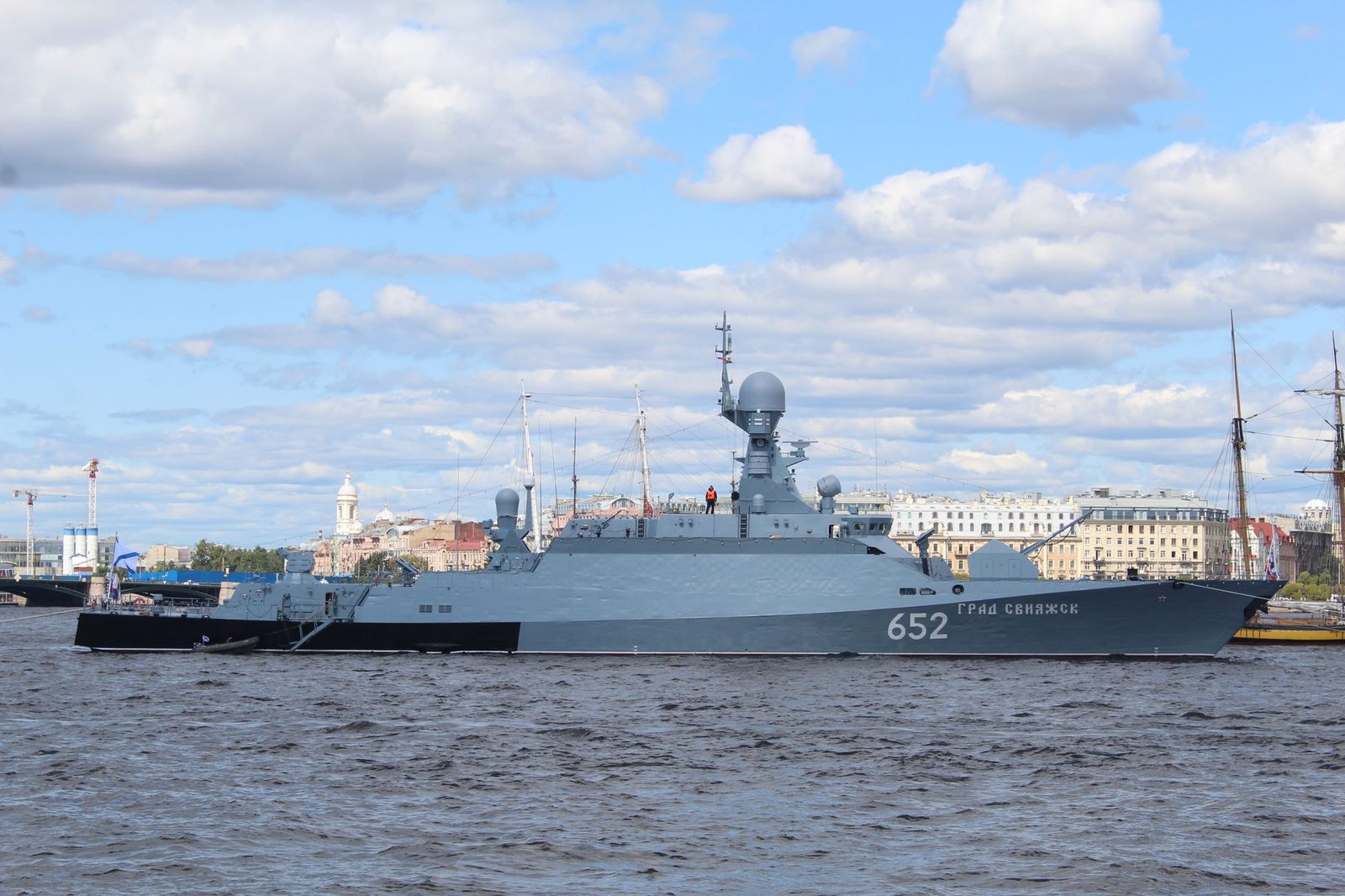 Images are not validated/verified
Tensions in the Middle East have escalated sharply. On September 9, 2026, the long-simmering standoff between the United States and Iran flared into open conflict. In the Gulf of Oman and the Persian Gulf, the US Navy struck and destroyed five large Iranian oil tankers. Within hours, Iran retaliated by firing 20 ballistic missiles at a key American military base in Jordan. Iran also claimed it had seized a highly sensitive, advanced US submarine drone in the Strait of Hormuz, triggering alarm in global politics.
Over the previous 48 hours, Iranian forces had attempted a missile strike on a US warship stationed in the Gulf of Oman. In response, the US Central Command, CENTCOM, launched an operation striking and destroying five Iranian oil tankers named Kivik, Charminar, Horizon 1, Riesco and Dorya, anchored near Kharg Island. Crew aboard the tankers had been warned to evacuate before the strikes, so there were no casualties. The strikes are being seen as a direct attempt to cripple Iran's economy.
In retaliation for the strikes on its oil tankers, Iran's Islamic Revolutionary Guard Corps, IRGC, targeted the Al-Azraq base, considered a main US military installation in Jordan. Iran's 20 advanced ballistic missiles set off sirens and explosions across the area. Jordanian forces and the US air defence system stationed there acted immediately, shooting down 18 missiles in mid-air. The remaining two missiles landed in an uninhabited area, averting major damage and casualties, according to the Jordanian army.
The missile strike made clear that military bases of the US and its allies are now direct targets for Iran. The military confrontation immediately affected global markets, with Brent crude oil prices crossing 98 dollars a barrel, raising fears of a worldwide fuel shortage.
The most striking element of the confrontation was Iran's seizure of an American unmanned advanced submarine drone called Dive-LD in the Strait of Hormuz. The IRGC released photographs and video footage as evidence of pulling the 3-tonne drone out of the sea. The drone was built by the US defence company Anduril Industries and is designed to stay submerged for up to 10 days at a depth of 6,000 metres, or 19,700 feet, carrying out maritime surveillance, intelligence gathering and mine-hunting.
Iran described the operation as a complex and successful intelligence success. CENTCOM spokespersons, however, said the drone had been adrift and disabled in the water due to a technical malfunction. The US said it was an older model and carried no classified or sensitive information. But its capture by Iran is being seen as a significant setback for the US Navy.
Iran's attempt to close the Strait of Hormuz and the US's aggressive response to it have together intensified the conflict in the Middle East. The world is watching closely to see what turn the confrontation between the two countries takes in the days ahead.
