

Hindi Diwas today: the history behind September 14
India marks Hindi Diwas every September 14, the day in 1949 Hindi was made an official language, along with several other historical events on this date
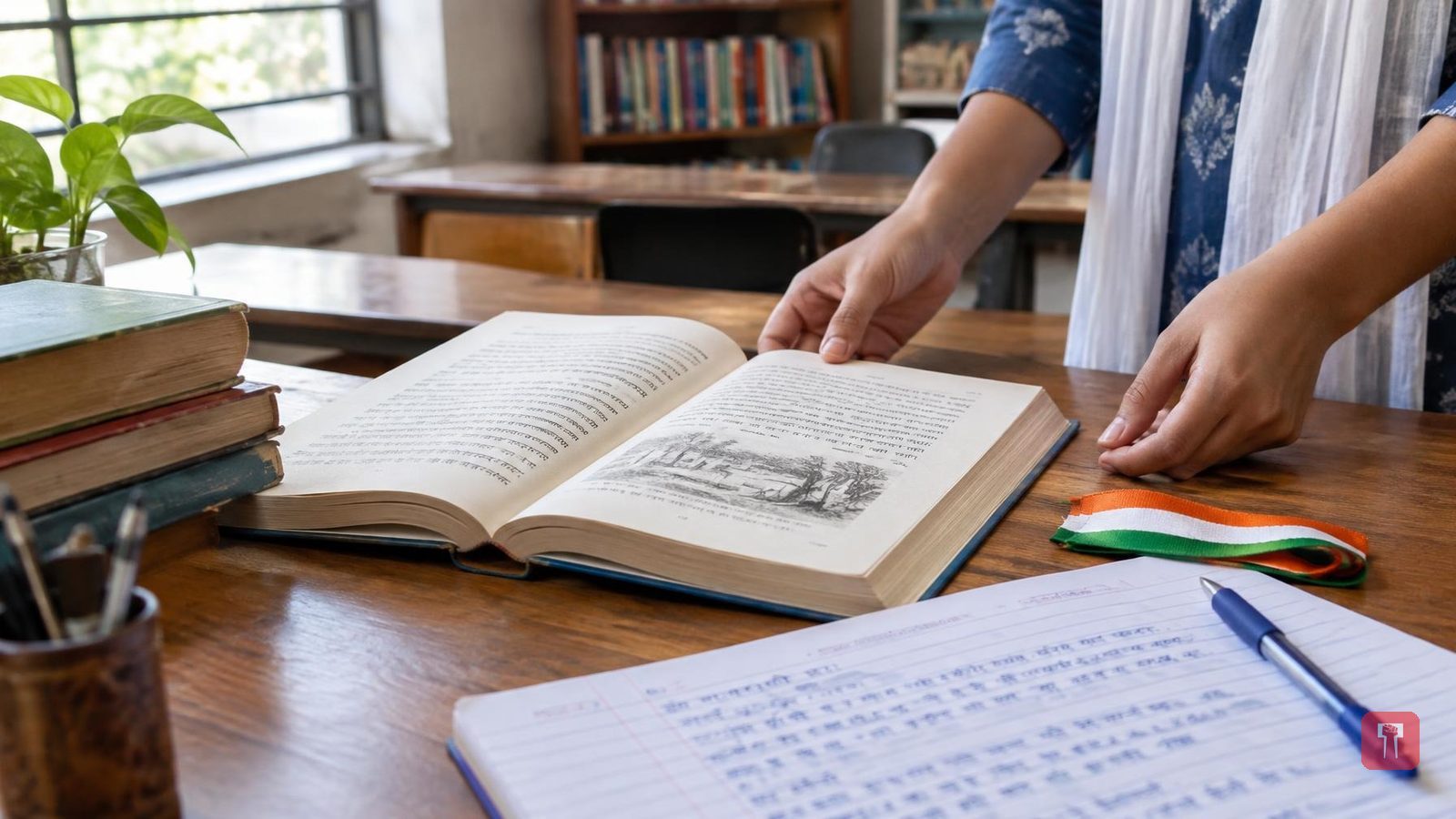
Hindi Diwas is observed every year on September 14. On this day in 1949, the Constitution of India granted Hindi the status of official language, and the day is marked every year in memory of that event. Hindi is one of the largest and most popular languages in the country. It is considered the principal language in several states and is a medium of communication for millions of people.
Hindi Diwas reminds us of our linguistic heritage and the responsibility to carry it forward. Hindi is an essential part of our identity and culture. Its enrichment and spread, and its role in holding together the country's diversity, are of great importance.
September 14 is also recorded in world history for several other events. In 786, Harun al-Rashid became Caliph of Baghdad. In 1862, during the American Civil War, the Battle of South Mountain was fought as part of the Maryland Campaign. In 1893, Sardar Khajgiwale, Ganpatrao Ghotwadekar and Bhau Rangari set up the first public Ganpati celebration in Pune. In 1901, US President William McKinley, who had been shot on September 6, died, and Vice President Theodore Roosevelt succeeded him. In 1917, Russia declared itself a republic.
In 1948, the Indian Army captured Daulatabad Fort after a two-hour engagement. In 1949, Hindi was declared India's national language, marking the start of Hindi Diwas observances. In 1959, the Soviet Union's Luna 2 spacecraft crashed onto the Moon, becoming the first man-made object to reach it. In 1960, the Organization of the Petroleum Exporting Countries, OPEC, was founded. In 1978, the Soviet Venera 2 spacecraft was launched towards Venus. In 1995, musician Datta Davjekar was chosen for the Maharashtra government's Gaansamragyi Lata Mangeshkar Award. In 1997, 81 people died in a rail accident involving the Bilaspur-Ahmedabad-Howrah Express. In 1999, Kiribati, Nauru and Tonga became members of the United Nations. In 2000, Microsoft released Windows ME. In 2003, Estonians voted in a referendum to join the European Union. In 2007, during the financial crisis, Northern Rock saw the United Kingdom's first bank run in 150 years.
People born on this day include German mathematician and astronomer Johann Kies (1713), Vishnu Narsinh Jog, founder of the Warkari Shikshan Sanstha (1867), Lord William Bentinck, the 14th Governor-General of India (1774), actor and director Parshvanath Altekar (1897), educationist Yamunabai Hirlekar (1901), Sikh saint-poet Darshan Singhji Maharaj (1921), former Union law minister Ram Jethmalani (1923), actor Dr. Kashinath Ghanekar (1932), singer Veena Sahasrabuddhe (1948), South African cricketer Kepler Wessels (1957), all-rounder cricketer Robin Singh (1963) and actor Ayushmann Khurrana (1984).
Those who died on this date include Pope Stephen V, America's 25th president William McKinley (born January 29, 1843, died 1901), Afghanistan's third president Nur Muhammad Taraki (born July 15, 1917, died 1979), agricultural scientist Benjamin Peary Pal (born May 26, 1906, died 1989), former University of Mumbai vice-chancellor Prof. Ram Joshi (died 1998), wrestler and coach Harishchandra Birajdar (born June 5, 1950, died 2011) and Subway co-founder Fred DeLuca (born October 3, 1947, died 2015).
