

Himalayan glaciers melting fast, threatening water supply for millions
A new study warns Himalayan glaciers are melting rapidly, raising concerns over future water security for millions across South Asia
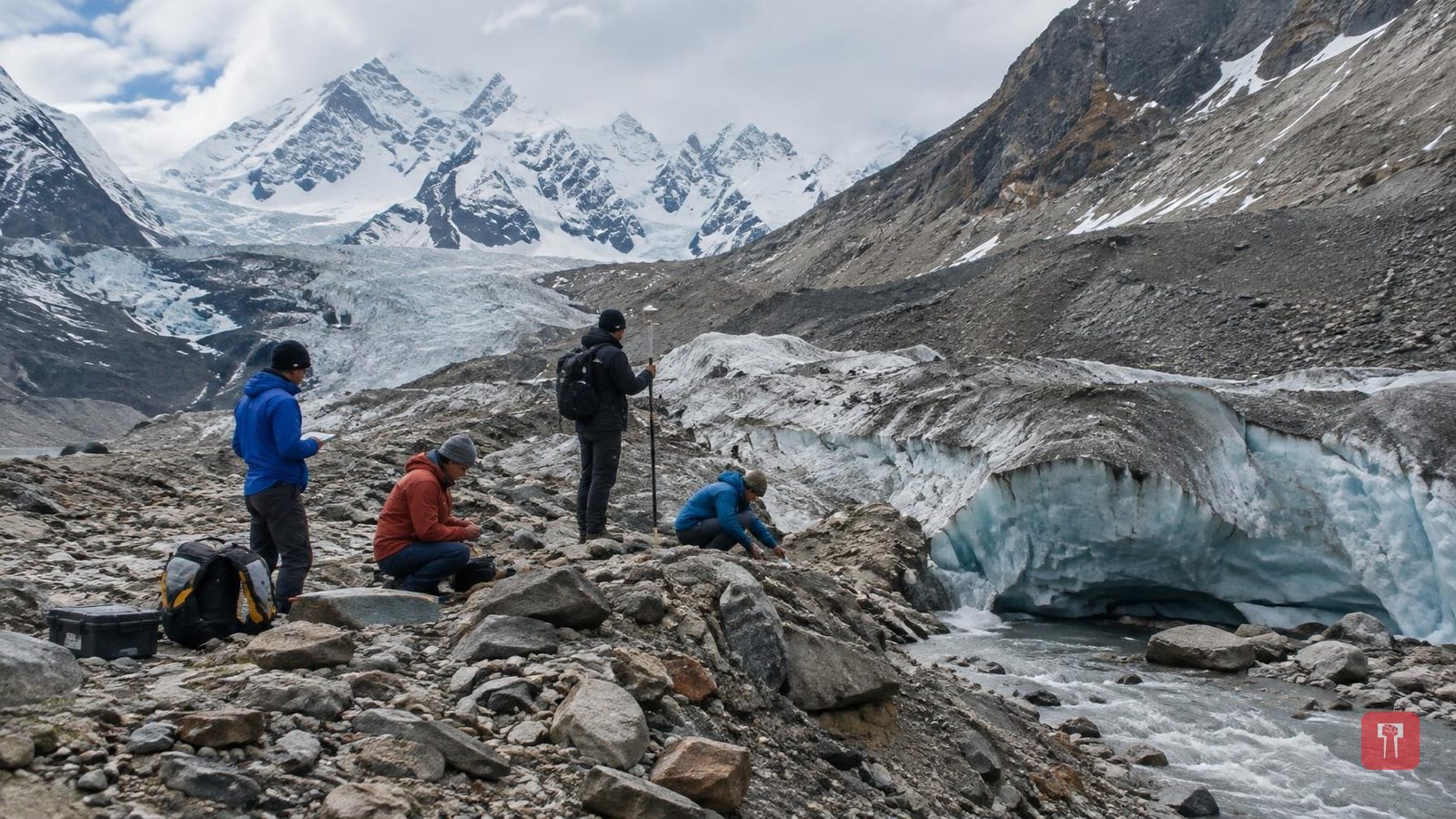
The Himalayas are called the earth's "third pole" because the mountains hold vast reserves of ice and glaciers. Millions of people across India and other Asian countries depend on meltwater from these glaciers. But a new study has found that the glaciers are melting rapidly, which could directly affect water security in the future. This has raised concern that the Himalayas are heading toward a tipping point.
Rising temperatures and changing weather patterns in the Himalayas are speeding up glacial melt. These glaciers are not just mountains of ice, they are a crucial source of water for several major rivers in Asia. Melting snow keeps water flowing in the rivers during summer.
But if the glaciers keep shrinking, the volume of water in the rivers may initially increase. After that, once the ice reserves are depleted, there is a risk that the natural water supply itself will decline. This could eventually have a large-scale impact on drinking water, agriculture and hydropower projects.
A large population, from the hill regions to the plains, depends on water from the Himalayas. River water is essential for agriculture, animal husbandry, hydropower generation and local industry. If the glaciers shrink significantly, all these sectors could face a water crisis.
People living in the foothills of the Himalayas and in river valleys are likely to bear the brunt of this. If water availability declines, agricultural output could fall, affecting the incomes of many families.
The biggest concern is that some Himalayan glaciers could reach a point where their decline accelerates further, known as a "tipping point". Once this point is reached and ice reserves continue to shrink, it could become harder to control river flow in the future.
As a result, the environmental changes taking place in the Himalayas will not be limited to the hill regions alone. They could affect water security across India and all of South Asia. This makes it necessary to continuously monitor the glaciers, plan water use properly, and take immediate steps to slow the pace of climate change. The melting of Himalayan ice could be a warning bell for a larger water crisis ahead.
