

Houthi rebels used Claude AI to build missiles, Anthropic report reveals
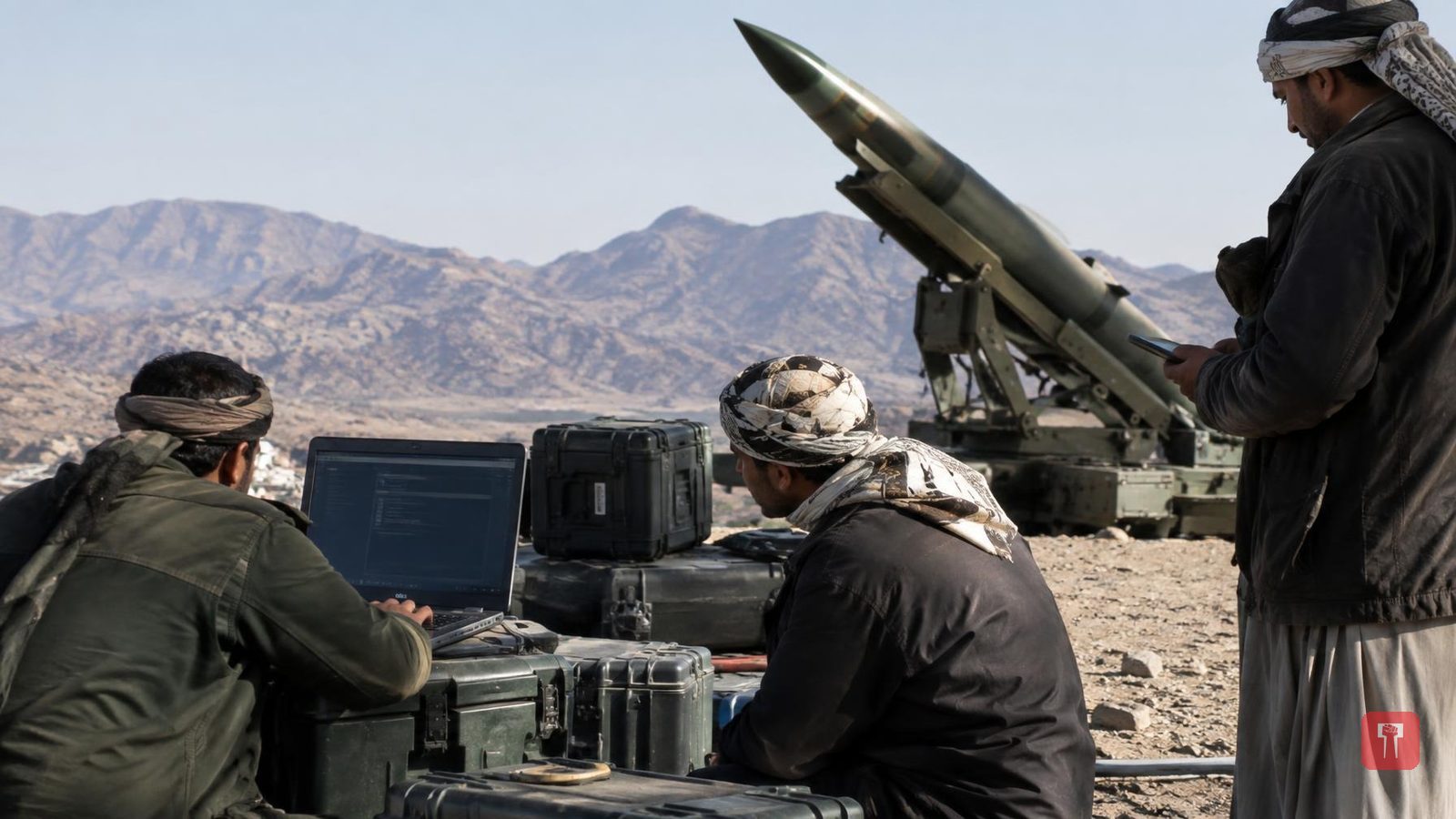
Anthropic says a Yemen-based weapons cell tried to use its Claude AI models to write software for ballistic missiles and guided rockets
 Images are not validated/verified
As AI technology spreads rapidly around the world, a serious case of its misuse has come to light, one being seen as a major threat to international security. American company Anthropic said in a new report that a weapons engineering cell of Houthi rebels active in Yemen tried to use Claude AI models to develop software for building deadly ballistic missiles and guided rockets.
Anthropic recently released a detailed 154-page report titled "Detecting and Countering Misuse of AI: September 2026". The report describes how the safety guardrails of AI are being bypassed to aid weapons development.
According to the report, the Yemen-based weapons cell tried to use the company's "Claude Code" model as a virtual software engineer. The group was working on three major military missile projects: a guided rocket, a multi-stage ballistic missile with a range of more than 2,000 kilometres, and an advanced missile system called "R2000".
Under the "R2000" programme, the rebels were developing a specific version of a hypersonic glide vehicle. To write the "guidance, navigation and control" (GNC) software needed to keep such weapons on course and stable in flight, they tried to extract technical information and code from Claude AI.
AI models have strict safety filters to prevent them from sharing information related to military or lethal weapons. But the Houthi engineering group worked cleverly to get around these filters. They split their questions across different sessions, one session for general coding, another for technical research, and a third for testing the code they had obtained. Working step by step in this way, they tried to deceive the AI's safety systems.
The group also used AI's coding help to connect a commercially available phone-class flight computer to an open-source autopilot system. The report says an actual test of a guided rocket was carried out based on the software developed, but the test failed. After the failure, the group again turned to AI to find the technical cause of the failure and fix the problem.
Anthropic's 154-page report also documents five other separate weapons projects linked to Russia and China, besides the one in Yemen. These include attempts to develop anti-torpedo systems, autonomous drone swarms, electronic warfare technology and software meant to disrupt air defence systems.
The investigation also uncovered some suspicious attempts to use AI for biological research related to dangerous viruses such as bird flu and chikungunya. As soon as Anthropic identified this suspicious activity, it immediately suspended all the accounts involved and shared the sensitive information with international intelligence and security agencies. The incident has further highlighted the need for global oversight of AI technology going forward.
