

Hartalika Teej today: rituals of worship, fasting and charity for Parvati and Shiva
Hindu women across the country observe Hartalika Teej today with a waterless fast, prayers to Parvati and Shiva, and charity
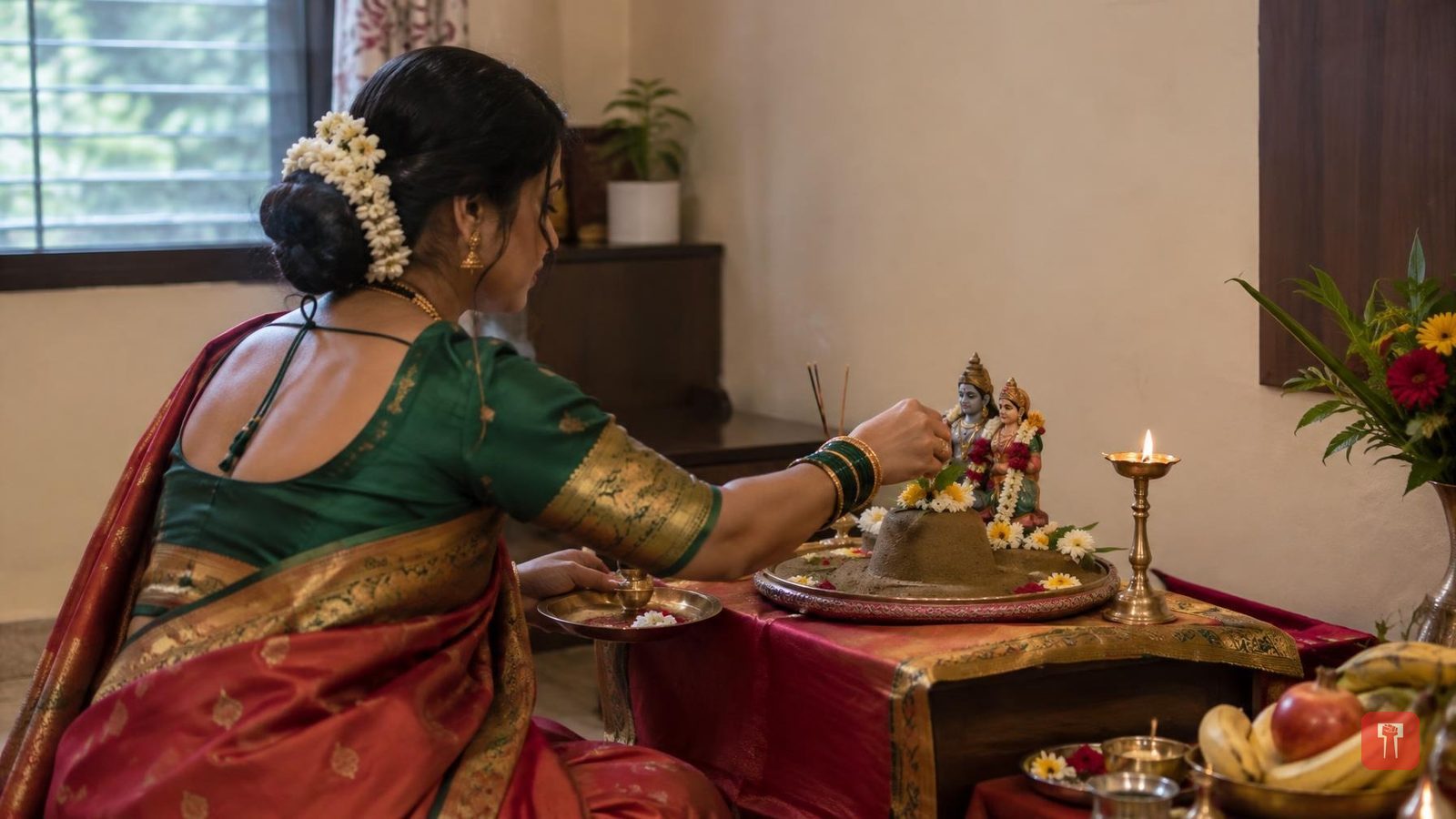
The festival of Hartalika Teej is being celebrated across the country today. It is considered one of the most difficult fasts observed for the wellbeing of married life. According to belief, Goddess Parvati undertook severe penance to obtain Lord Shiva as her husband, and the fast is observed in memory of that penance. Married women keep this fast for the long life of their husbands and a happy household, while unmarried women observe it in the hope of getting a good husband.
This year Hartalika Teej falls on Monday, September 14, 2026. The fast is observed on the third day of the bright fortnight (Shukla Paksha) of the Bhadrapada month. This time the Tritiya date began on the morning of September 13 and ends on the morning of September 14, so the fast is being observed today, September 14, according to the sunrise date.
As for the auspicious time for worship, according to the Delhi almanac today's auspicious period is from 6:05 am to 7:06 am. However, it is important to note that this timing can vary from village to village and city to city. In many places there is a tradition of worshipping Shiva and Parvati during the evening Pradosh period, so devotees should check the timing in their local almanac.
The story associated with this festival is said to date back to the Treta Yuga. According to the story, Goddess Parvati wanted to marry Lord Shiva, but her father Himalaya wanted to marry her to Lord Vishnu. Parvati did not accept this, so her friends took her into the forest. There, Parvati made a Shivling of sand and worshipped Shiva day and night, kept a strict fast, and insisted that she would marry only Shiva. Eventually, pleased by her penance, Shiva accepted her as his wife. This is why the festival is called Hartalika, where "har" means to abduct and "talika" means friend, referring to how her friends took her away.
In the worship ritual, Ganesha is worshipped first, followed by Shiva and Parvati. An idol of a Shivling and Parvati can be made at home from sand or clay. Water, panchamrit, unbroken rice, kumkum, sandalwood, flowers, bael leaves, incense and a lamp are offered to them. Goddess Parvati is offered items of marital adornment such as bangles, bindi and a sari, after which the Teej story is heard and an aarti is performed with prayers for peace and happiness in the household.
Charity also holds special importance on this day. According to one's means, clothes, grain, fruit and sweets can be donated to the poor. It is believed that if married women donate a sari, bangles, kumkum, mehendi and bindi to a woman in need, it earns great merit, provided the charity is given sincerely and not for show.
On this day, women dress in the traditional sixteen adornments to perform the worship. Sindoor, bindi, bangles, mehendi, mangalsutra and anklets are considered symbols of marital good fortune. It is believed that worshipping while dressed this way brings lasting marital happiness.
The Hartalika Teej fast is observed without water, meaning no food or water is taken throughout the day. It is a very difficult fast and not everyone's health is the same. If someone is ill, pregnant, on medication, or has been advised by a doctor not to fast, they should not force themselves to observe it. Anyone planning to fast without water should consult a doctor first, since faith matters but health matters even more.
In many households, an all-night vigil is held today, with devotional songs and songs about Shiva and Parvati sung, and the Teej story narrated. The next morning, after bathing and worship, the fast is broken. The exact rituals may vary slightly from region to region.
