

Ganesh Chaturthi: why tulsi leaves are not offered to Lord Ganesha
An old legend involving Ganesha and Tulsi Devi explains why tulsi leaves are traditionally left out of Ganpati puja
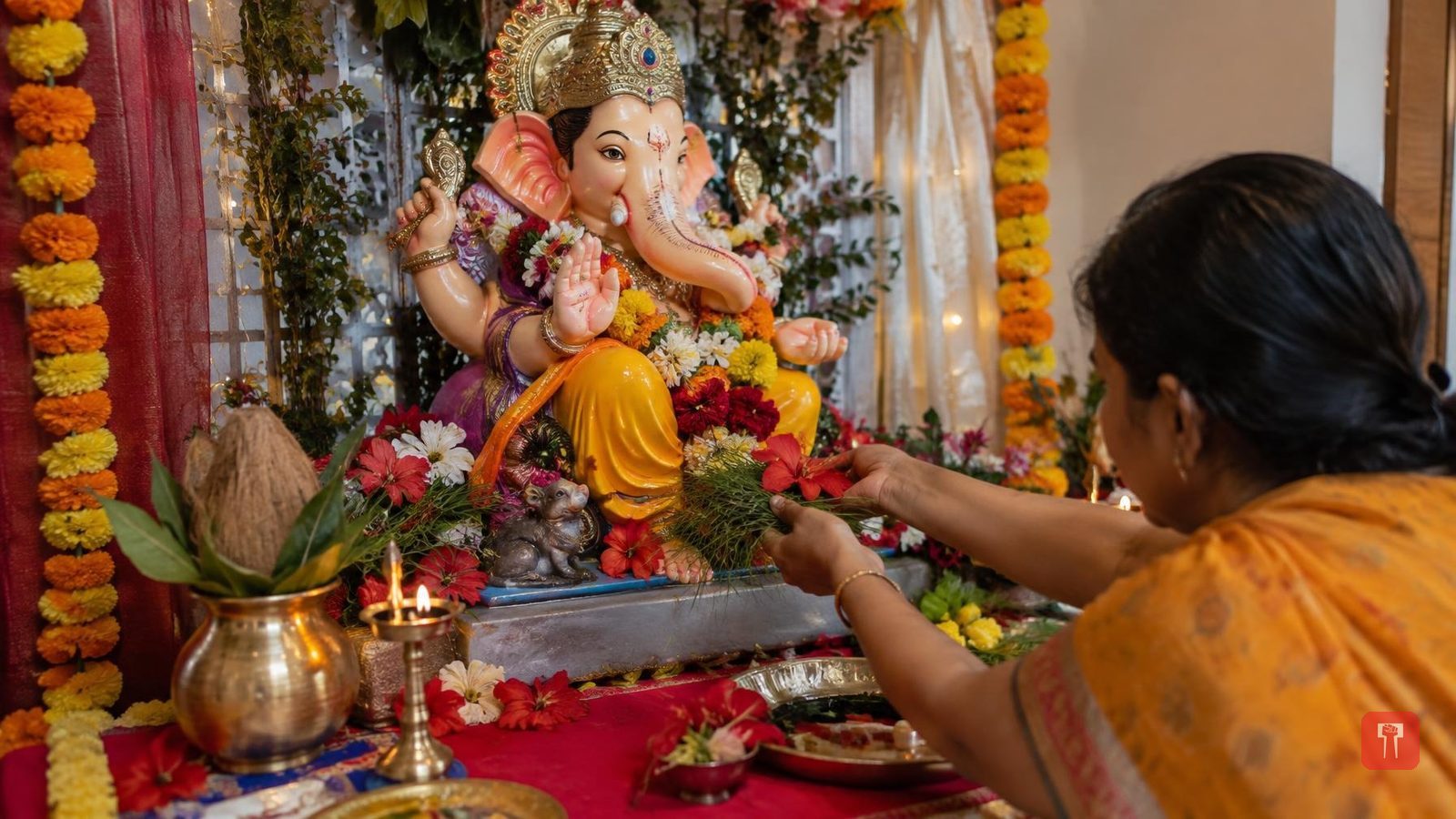
As Ganesh Chaturthi celebrations continue, devotees are offering durva grass, red hibiscus and various flowers to Bappa in homes across the country. But in many places, one thing is carefully avoided in the puja: tulsi leaves are not offered to Ganesha. There is an interesting legend behind this practice, involving Ganesha and Tulsi Devi.
According to the legend, Ganesha was once meditating by a riverbank when Tulsi Devi happened to pass by. Struck by his radiance and form, she was drawn to him and expressed a wish to marry him.
Tulsi Devi proposed marriage to Ganesha, but he refused, saying that he was observing celibacy and could not marry. His refusal upset Tulsi Devi greatly, and in her anger she cursed him, saying that he would indeed be married one day.
Ganesha was angered by this curse in turn. He is said to have retaliated by cursing Tulsi Devi that she would be married to a demon. Tulsi Devi later realised her mistake and sought forgiveness from Ganesha. He heard her plea and blessed her, but also declared that tulsi would never be included in his worship. It is because of this legend that tulsi leaves are generally not offered during Ganpati puja.
This does not mean, however, that tulsi is any less significant. It is considered extremely sacred and important in the worship of other deities. In Hinduism, tulsi is regarded as a holy plant, and tulsi leaves hold great importance especially in the worship of Lord Vishnu and Shri Krishna. Tulsi's importance is not diminished; the tradition associated with Ganpati puja is simply considered different.
This rule is also said to not be uniform everywhere. Some religious texts and traditions do mention offering tulsi to Ganesha. This means the rule that "tulsi should never be offered to Ganpati" is not followed identically across all traditions, and can vary according to family customs, sects and local worship practices.
In Ganpati puja, durva grass and red hibiscus are usually given special importance, along with other fragrant and sattvic flowers offered with devotion, depending on availability. While this legend is cited as the reason tulsi is not offered, it remains a matter of religious belief and tradition, and puja rules are not necessarily the same across every family or tradition. Ultimately, it is faith and devotion that matter most in worship.
