

The religious story behind offering 21 durva blades to Lord Ganesha
Devotees offer 21 blades of durva grass to Ganesha during Ganesh Puja, a tradition rooted in a mythological tale and symbolism
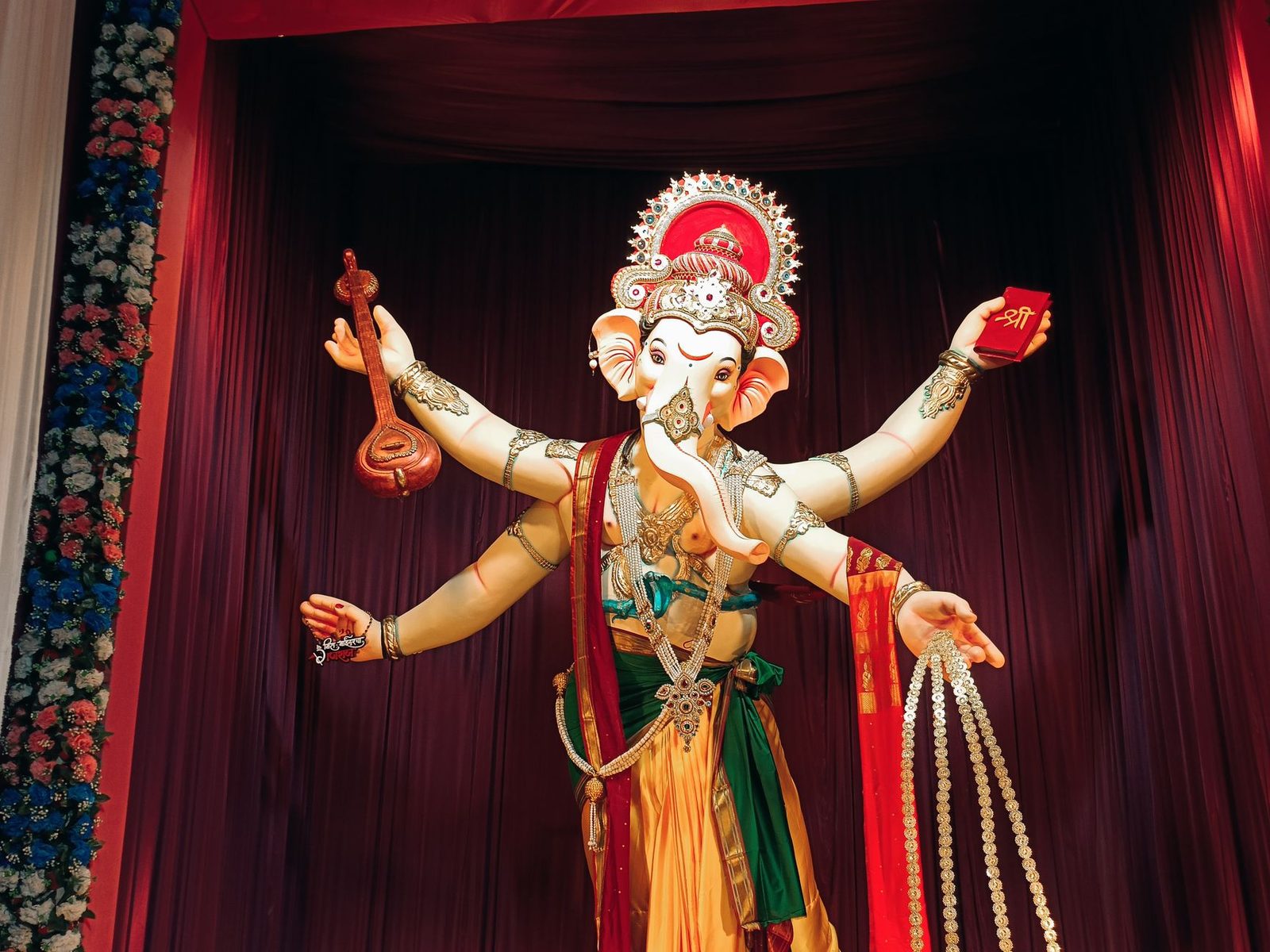 Images are not validated/verified
Along with modaks and red flowers, durva grass holds a special place in Ganesh Puja. It is believed that Ganpati Bappa is extremely fond of durva, which is why the tradition of offering a bunch of 21 durva blades during the puja has continued over generations. But many people wonder why durva in particular is offered to Ganpati, and what the number 21 signifies. Behind this lies both a mythological story and religious symbolism.
According to mythology, there was once havoc everywhere because of a demon named Analasura. His heat troubled the gods, sages and common people alike. Ganpati Bappa then defeated Analasura and swallowed him. But this generated such intense heat in Ganpati's body that despite several remedies, it would not subside. At that time, some sages offered durva to Ganpati, and only after eating the durva did the heat in his body calm down. This is the story behind the belief that durva is very dear to Ganpati.
Now, about the number 21. In Hindu religious tradition, the number 21 is considered auspicious and sacred, and it has been given a special place in Ganesh Puja. According to religious belief, 21 durva blades are offered as a symbol of the body's different energies and elements. Durva is also considered a symbol of devotion, purity, restraint and positive energy.
Durva is a type of green grass that is easily found, grows quickly, and regrows after being cut. For this reason, it is regarded as a symbol of vitality, prosperity, longevity and positivity. While offering durva to Ganpati, devotees pray that negativity leave their lives and that they receive happiness and prosperity.
Clean and fresh durva should be used for the puja. Usually, a bunch of three or five blades of durva is made and offered at Bappa's feet or on his head. In many places, it is customary to offer 21 bunches or 21 blades of durva. During the puja, durva should be offered with devotion while chanting Ganpati's name. The method of worship and the number of durva blades used can vary according to each family's tradition.
No matter how many times durva is cut or crushed, it grows back again. For this reason, it is regarded as a symbol of overcoming difficulties and rising again. The religious belief holds that while offering durva to Ganpati, devotees should also learn the lesson of facing life's troubles with patience.
