

Why a kalash is placed during Ganpati installation, and what goes inside it
Ahead of Ganesh Chaturthi on Monday, September 14, here is why a kalash is placed beside the idol and what is put inside it.
 Images are not validated/verified
Ganesh Chaturthi is celebrated across the country with great devotion and enthusiasm. On this day, Ganpati Bappa is installed in homes and pandals with due rituals. This year Ganesh Chaturthi falls on Monday, September 14. The festival begins every year on the Chaturthi tithi of Shukla Paksha in the month of Bhadrapada, and the ten-day celebration ends with the immersion of the idol on Anant Chaturdashi, the Chaturdashi tithi of Shukla Paksha in Bhadrapada.
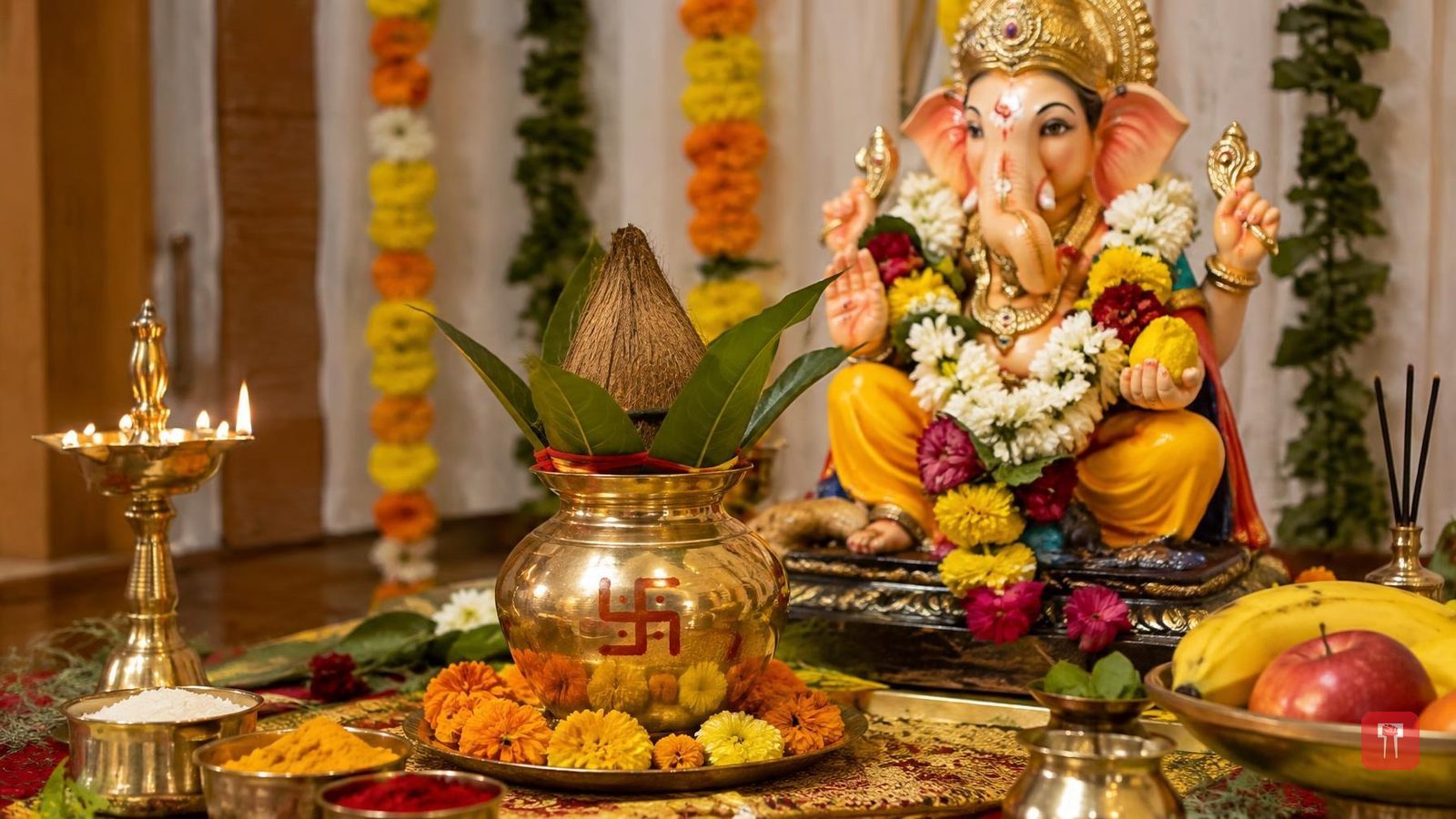
Placing a kalash alongside the idol at the time of installation holds special significance. According to religious belief, the kalash is regarded as a symbol of auspiciousness, prosperity and purity. But many people do not know why the kalash is essential during the Ganpati installation, or what seven things are placed inside it.
Ganpati Bappa is considered the remover of obstacles and a bringer of good omens. It is said that worshipping Lord Ganesh before starting any auspicious task clears hurdles and opens the path to success. Installing Ganpati at home on Ganesh Chaturthi is seen as a symbol of Bappa's arrival to welcome devotees. During the worship, devotees offer durva grass, modak, laddoos and red flowers to Lord Ganesh, followed by aarti and chanting of mantras. The installation of Bappa is not merely a religious ritual but also a tradition tied to the belief that it brings happiness, peace, harmony and positive energy to the family.
In Hindu worship, the kalash is regarded as a symbol of the deities. Before the installation of Ganpati, the place of worship is cleaned and then the kalash is set up. Typically, a kalash made of clay, copper or brass is filled with water, and mango or ashoka leaves along with a coconut are placed on top of it. It is believed that the water in the kalash symbolises life and energy, while the coconut represents completeness and auspiciousness. The tradition of installing the kalash is meant to purify and energise the place of worship. During the installation of Bappa on Ganesh Chaturthi, the kalash is kept right next to Ganpati. In many households, the kalash is installed first at the start of the puja, followed by the invocation of Ganpati, the sankalp and the worship itself. This tradition is believed to lay an auspicious foundation for the entire puja.
Clean water, rice, betel nut, coins, Gangajal, mango or ashoka leaves and a coconut are placed in the kalash.
While installing Ganpati, the place of worship should be cleaned thoroughly and the kalash placed on a low wooden stool. Fill the kalash with clean water and add whole rice grains, Gangajal, betel nut and a coin. Place mango or ashoka leaves at the mouth of the kalash and put a coconut on top. The Ganpati idol is placed next to the kalash, after which both the kalash and Bappa are worshipped as per ritual. The method of installing the kalash and the items placed in it may vary slightly depending on regional and family traditions. In this way, the installation of the kalash and Ganpati is considered linked to the purity, auspiciousness and well-being of the puja. It is believed that Ganesh puja performed with full devotion and the correct method pleases Bappa and removes obstacles from devotees' lives.
