

Government tells EV makers not to rely on subsidies forever
Heavy Industries Ministry secretary Kamran Rizvi says EV firms must prepare for reduced government support in coming years
 Images are not validated/verified
The subsidies and support the government is giving to promote electric vehicles, or EVs, in the country may reduce going forward. This is why the central government has told the auto industry in clear terms that EV companies should not depend on government help going forward, and should instead start preparing to grow their business on their own.
Heavy Industries Ministry secretary Kamran Rizvi said this on Thursday at the annual conference of SIAM, the automakers' industry body. He said government incentives have helped India move ahead rapidly in electric mobility. But he said the EV industry will face several new challenges in the next four to five years, so companies need to start preparing now.
Rizvi said the government gave the electric vehicle sector strong support in its initial phase, which expanded the market and increased people's trust in EVs. But he said companies cannot remain dependent on government subsidies or schemes forever. He said companies should focus on cutting production costs, improving technology and offering customers better products.
The fastest growth in the EV market is being seen in electric three-wheelers. About 50 percent of all three-wheelers sold in the country are now electric. This figure is five times higher than the 10 percent target set for 2026. According to Rizvi, the market share of electric three-wheelers could reach 75 percent in the next two to three years, representing a major opportunity for EV companies in this segment.
Compared to three-wheelers, the electric two-wheeler market is still growing. Electric vehicles currently account for about 7 percent of total two-wheeler sales in the country, while their share in cars is about 4 to 5 percent. The government says there is also large scope in the electric bus sector, but there is currently a big gap between demand and supply of electric buses, which companies will need to close by increasing production capacity.
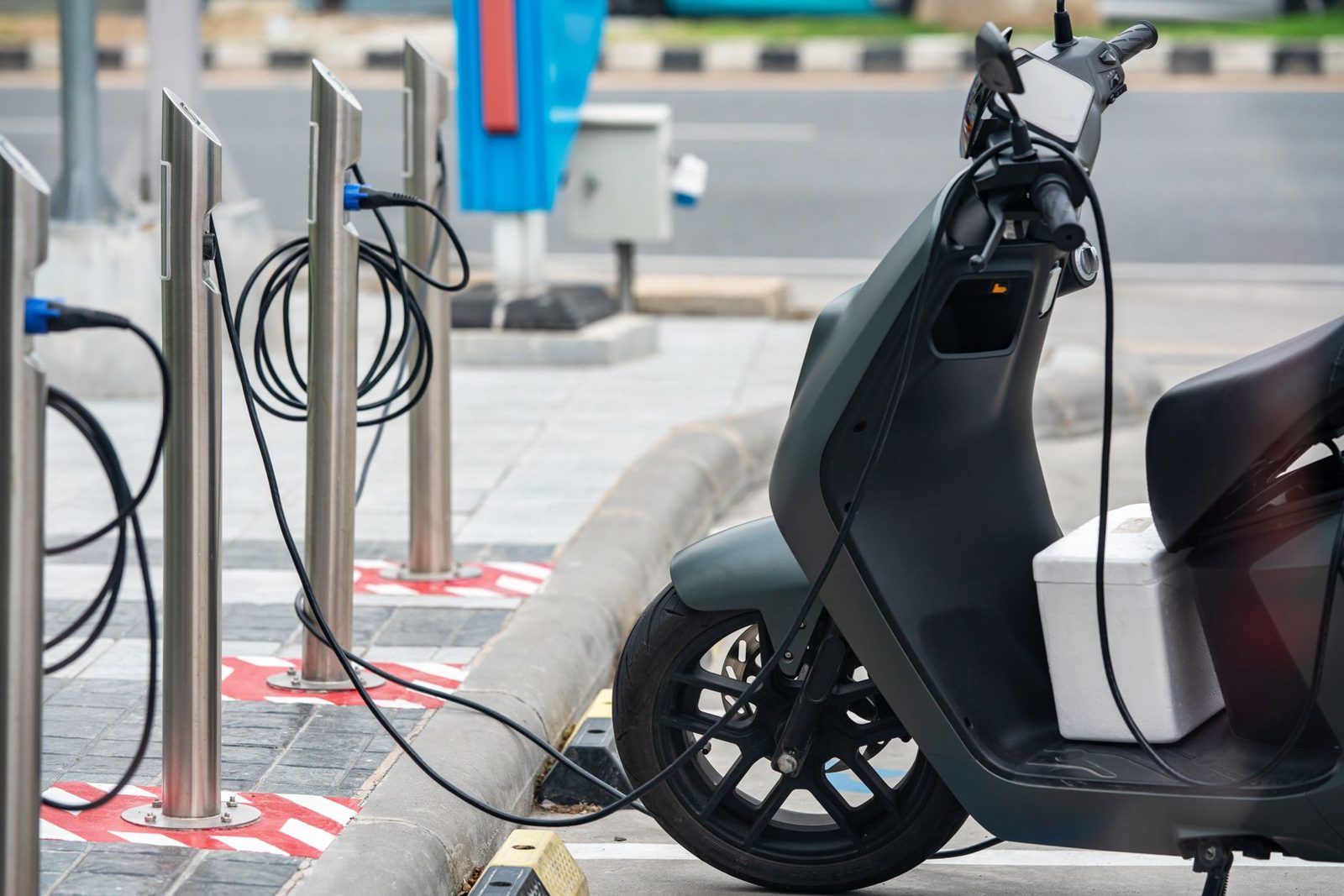
Rizvi also said that building electric vehicles alone is not enough; setting up a strong charging network across the country is equally important. He said companies should therefore take a more active role in building charging infrastructure. The ministry has approved 2,000 crore rupees for electrifying 60 high-priority corridors. The government's target is to provide adequate charging facilities on major highways within the next two to three years.
Companies have also been advised to spend more on research and development, or R&D, so new technology can be brought to market faster. Road Transport and Highways Ministry secretary V. Umashankar also said that the government and the auto industry will need to work together in future to tackle challenges related to different fuel options and powertrains.
