

DUSU polls: Delhi HC lays down candidacy rules, spending capped at Rs 5,000
Age, 75 percent attendance, a clean academic and disciplinary record and an admission cut-off date are among the conditions candidates must meet to contest DUSU elections.
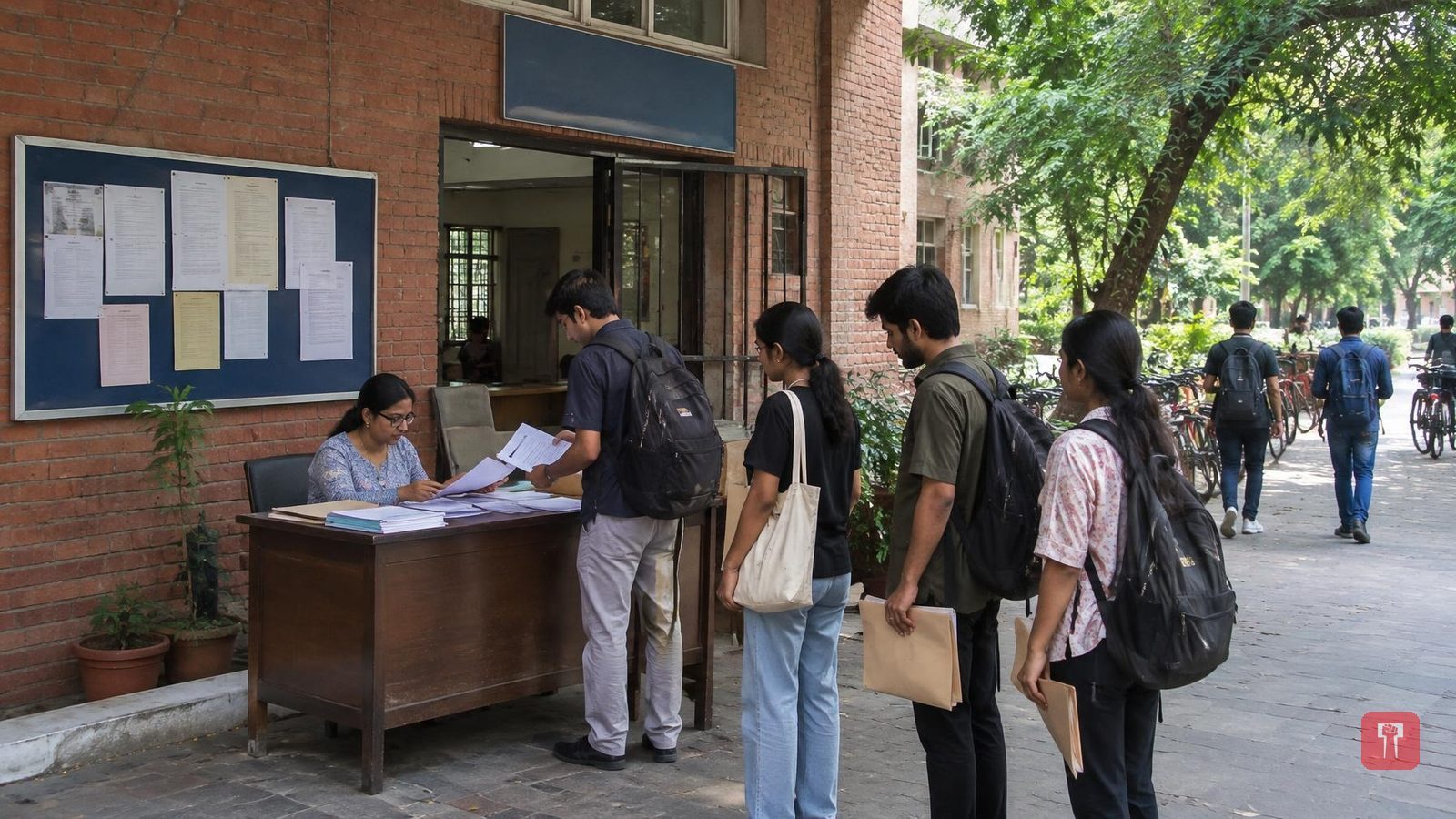
The Delhi University Students Union election is the most talked-about event on campus every year, with posters, rallies and sloganeering taking over. It raises the question of whether any student can contest, or whether certain conditions must be met first. DUSU elections are held based on the recommendations of the Lyngdoh Committee, and candidates must meet a set of fixed rules to contest.
The first condition concerns age. As per the Lyngdoh Committee recommendations, there is a fixed age limit for candidates, with different age standards applying to undergraduate and postgraduate students.
Attendance in class is also considered a major condition for candidacy, apart from age. According to the Lyngdoh Committee, a student contesting the election must have at least 75 percent attendance. The Delhi High Court recently upheld this rule, making clear that a college administration can reject the form of a student whose attendance falls below this limit. The rule exists so that contesting students' studies are not affected.
A candidate must also have a clean academic and disciplinary record. This means the student must have no academic backlog in any previous semester or year. A student against whom any action or case has been registered at the college, university or police level can be barred from contesting. In other words, only students with a clean record on both counts, academics and discipline, can stand for election.
To vote or contest, a student must have taken admission in their college, department or institute by a fixed date. The university's election officer sets a cut-off date and time every year, and students who take admission after that cannot take part in that year's election. For first-year students who do not yet have an ID card, separate arrangements are made based on the fee receipt and a bonafide certificate.
Rules are also fixed for campaign spending and canvassing. The maximum spending limit for campaigning is set at Rs 5,000 per candidate. Campaigning is permitted only between 8 am and 8 pm. Besides this, only a limited number of students can accompany each candidate during campaigning.
The purpose of all these rules is to keep the campus election process transparent and ensure it has no negative effect on studies. In short, any ordinary student can contest the DUSU election, provided they meet all the conditions related to age, attendance, academic record and admission.
