

Nearly half of young Indians face emotional stress alone, survey finds
A survey by mental health service eMPower finds 49.5% of young Indians cope with stress alone, while only 9.2% seek professional help
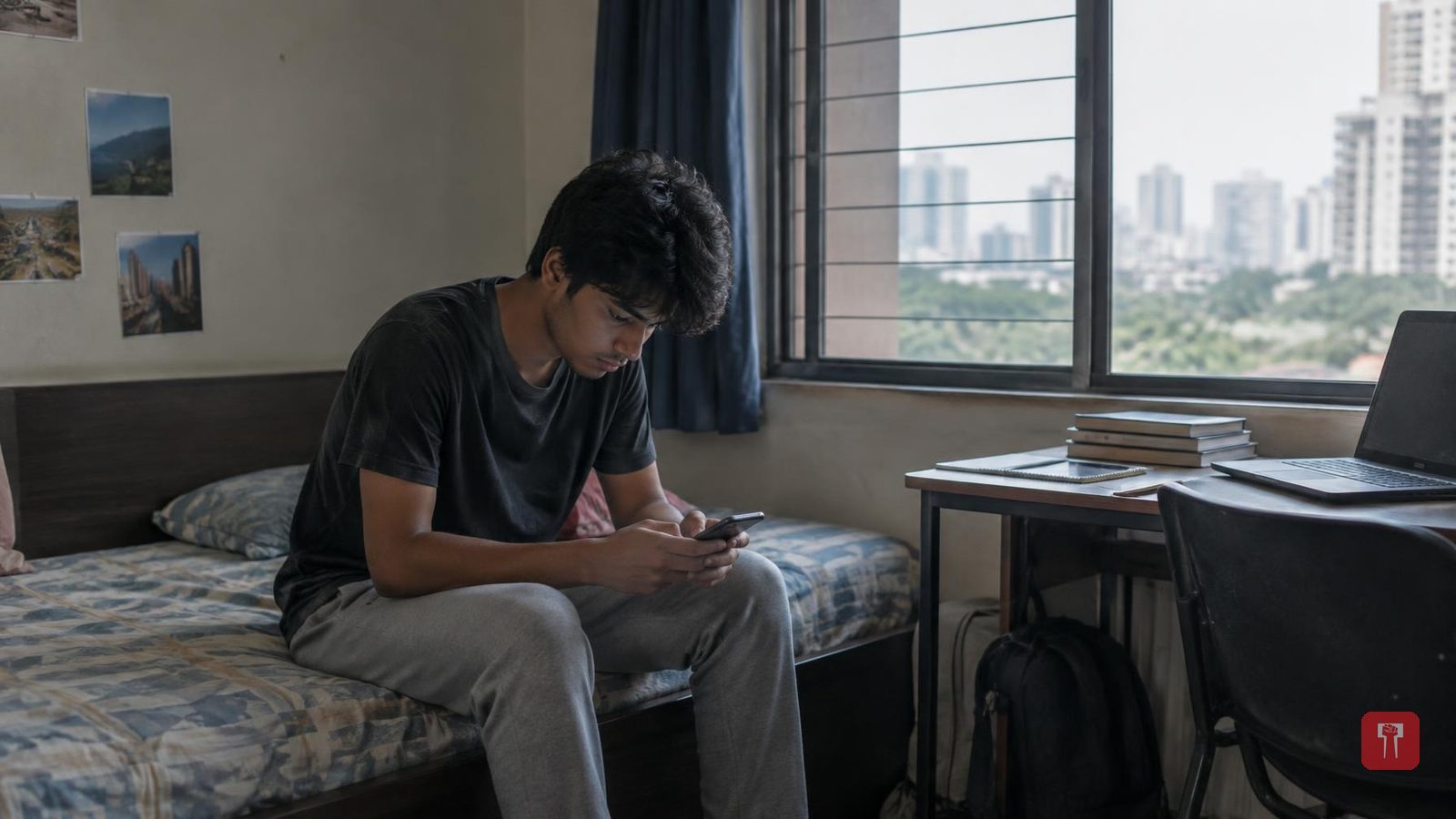
Mental health service eMPower, run under the Aditya Birla Education Trust, has conducted a new survey that found awareness of mental health has grown, but young Indians are still dealing with their emotional stress alone. The survey is titled "Unpack Your Emotional Baggage: A Call to Action for Young Indians to Seek Help During Emotional Distress".
The survey gathered the views of young people aged 18 to 25 from ten cities: Mumbai, Pune, Delhi NCR, Bengaluru, Kolkata, Ahmedabad, Goa, Hyderabad, Chennai and Jaipur. It looked at how emotional stress builds up among young people, how they cope with it, and how society responds to them when they are in distress. The survey revealed a wide gap between mental health awareness and young people's willingness or ability to seek help.
Even as public conversation about mental health grows, the survey found that 49.5 percent of young Indians still hide their stress and try to deal with it entirely on their own. Only 9.2 percent have sought professional help.
This reluctance to seek help also shows up in how they manage their stress, with most trying to hide their feelings. 40.9 percent said they tell others "I am fine" even when they are not. Many said they avoid talking about their feelings altogether, or keep themselves constantly busy to distract from what they are going through.
Speaking on World Suicide Prevention Day, Neerja Birla, founding chairperson of the Aditya Birla Education Trust and eMPower, said: "Forty percent of the young people we spoke to were simply told to 'stay strong'. Only nine percent of young people were able to get help from a professional. Somewhere between these two figures, we are failing to understand them. We keep waiting for a crisis to happen before we act. The remedy is to recognise this from the start in schools, so that staying silent does not become the only way young people know to handle a situation."
The survey also found that when young people do express their feelings, they often get dismissive responses. Besides "stay strong" (40.4 percent), young people also frequently hear that they are "overthinking" or are told to "focus on work or studies". In contrast, only 13.6 percent said someone listened to them without judgement and supported them.
Dr Zirak Marker, child, adolescent and family psychiatrist and chief medical advisor at eMPower, said: "Mental health is not just a clinical diagnosis like depression or anxiety, but a way of living, reflected in how we handle our inner thoughts, maintain relationships and release emotional pain. When young people are repeatedly told to 'stay strong', 'focus on work' or 'stop overthinking', their pain is being ignored. Hiding distress and suppressing feelings creates dangerous stress in the mind, which in severe cases can lead to serious depression and suicide. Real prevention means including mental health education in every classroom, rather than offering superficial advice. By building empathy and acceptance at a young age, we can give young people the safe space, respect and professional care they need to stay healthy."
The survey also found a clear gender gap in how stress builds up. Women show more internal emotional stress, with constant overthinking (60 percent of women), self-doubt (56 percent) and concerns about body image (69 percent) topping the list. Men show more external stress, including work-related stress (57 percent of men) and financial insecurity (54 percent). Notably, 60 percent of those who said they do not realise something is wrong until someone else points it out were men, indicating how much young men need emotional self-awareness.
The survey also showed how emotional distress appears in daily life. 47 percent said they get angry or irritable quickly, followed by difficulty focusing or enjoying things (36.7 percent) and an impact on daily tasks or routine (31.3 percent).
The survey makes clear that raising awareness alone is no longer enough. This World Suicide Prevention Day, the focus must shift from merely talking about mental health to creating an environment where young people feel safe to act. Preventing suicide begins long before a crisis arrives. It begins with ending the stigma, prejudice and dismissive responses that force young people to suffer in silence. By offering active, non-judgemental support instead of superficial advice, society can narrow the gap between awareness and help, so that no young person feels that facing stress alone is the only option.
