

Doctors warn very hot tea, coffee can raise oesophageal cancer risk
Doctors say repeatedly drinking scalding tea or coffee can damage the food pipe and raise the long-term risk of oesophageal cancer.
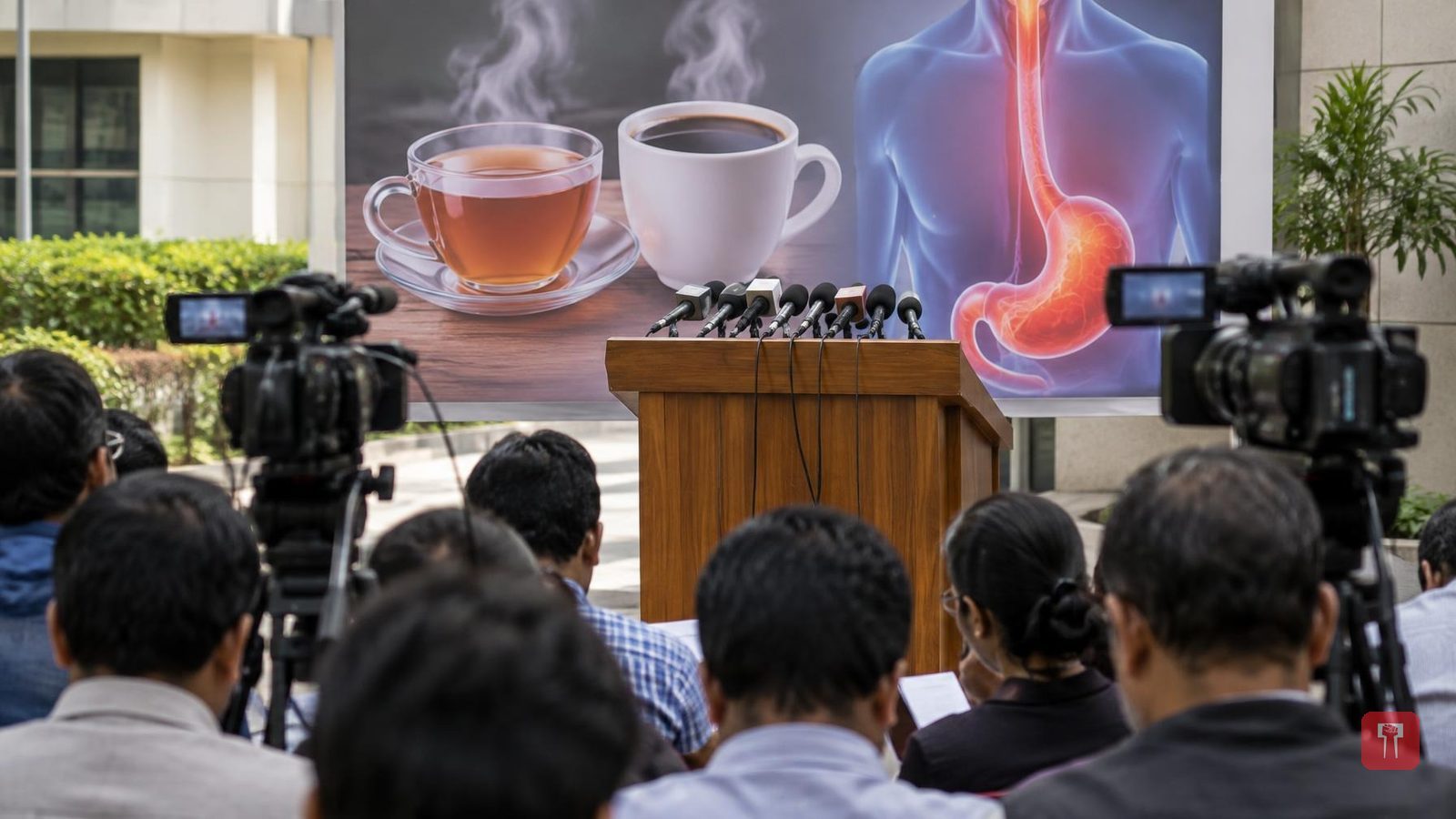 Images are not validated/verified
For many people, the day does not properly begin without a hot cup of tea or coffee. Whether it is to shake off tiredness, take a break from work, or chat with friends and family, that cup has become part of everyday life for most. But the belief that "the hotter, the better" when it comes to tea or coffee can turn out to be dangerous for health. Doctors have warned that repeatedly drinking tea or coffee at a boiling, very high temperature can affect the food pipe and raise the risk of cancer over time.
Many people are in the habit of drinking tea or coffee while it is still steaming hot. But it is important to know that repeatedly drinking very hot beverages above 65 degrees Celsius can damage the inner lining of the food pipe, and over time this can raise the risk of oesophageal cancer.
Drinking very hot tea or coffee is not good for health. The International Agency for Research on Cancer (IARC), which functions under the World Health Organization, has classified very hot beverages above 65 degrees Celsius as "probably carcinogenic" to humans. This does not mean tea or coffee directly causes cancer. But repeatedly drinking very hot beverages can cause heat damage to the inner lining of the mouth, throat and food pipe, which raises the risk.
Dr Vivek Bande, surgical oncologist at Oncolife Cancer Centre, Talegaon-Dabhade, said drinking very hot beverages can cause repeated heat stress and small injuries to the cells of the food pipe. If this habit continues over a long period, the risk of oesophageal cancer can rise. According to him, letting the beverage cool a little before drinking is the simplest and most protective step.
The early symptoms of oesophageal cancer are often ignored. Difficulty swallowing food, a burning sensation or pain in the chest, a feeling of food getting stuck in the throat, changes in voice, sudden weight loss, and a persistent cough are symptoms that, if they recur, call for a doctor's examination.
Dr Ram Patil, head and neck surgical oncologist at Apollo Spectra, Pune, said ignoring symptoms is a major problem in oesophageal cancer. He said that if difficulty swallowing or a feeling of food getting stuck in the throat occurs repeatedly, it should not be dismissed as mere acidity. According to him, staying away from smoking and alcohol, eating a balanced diet, getting regular health checkups, and avoiding very hot beverages all help reduce the risk.
Doctors advise that people who have a habit of drinking tea or coffee should not drink it as soon as it is boiling, but should wait a few minutes. A temperature of around 50-60 degrees Celsius is considered relatively safe. Along with this, drinking enough water, eating a balanced diet, and staying away from smoking and alcohol are habits worth adopting.
Doctors also clarified that the risk of oesophageal cancer does not rise from very hot beverages alone. Tobacco use, alcohol, obesity, certain foods and other medical factors can also affect this risk. Their advice, therefore, is not to give up tea or coffee entirely, but to avoid drinking it very hot, and not to ignore unusual symptoms in the body.
