

78 percent of Americans take health supplements, Pew Research study finds
A Pew Research Center survey finds most American adults now take some form of dietary supplement, with women and higher earners leading the trend
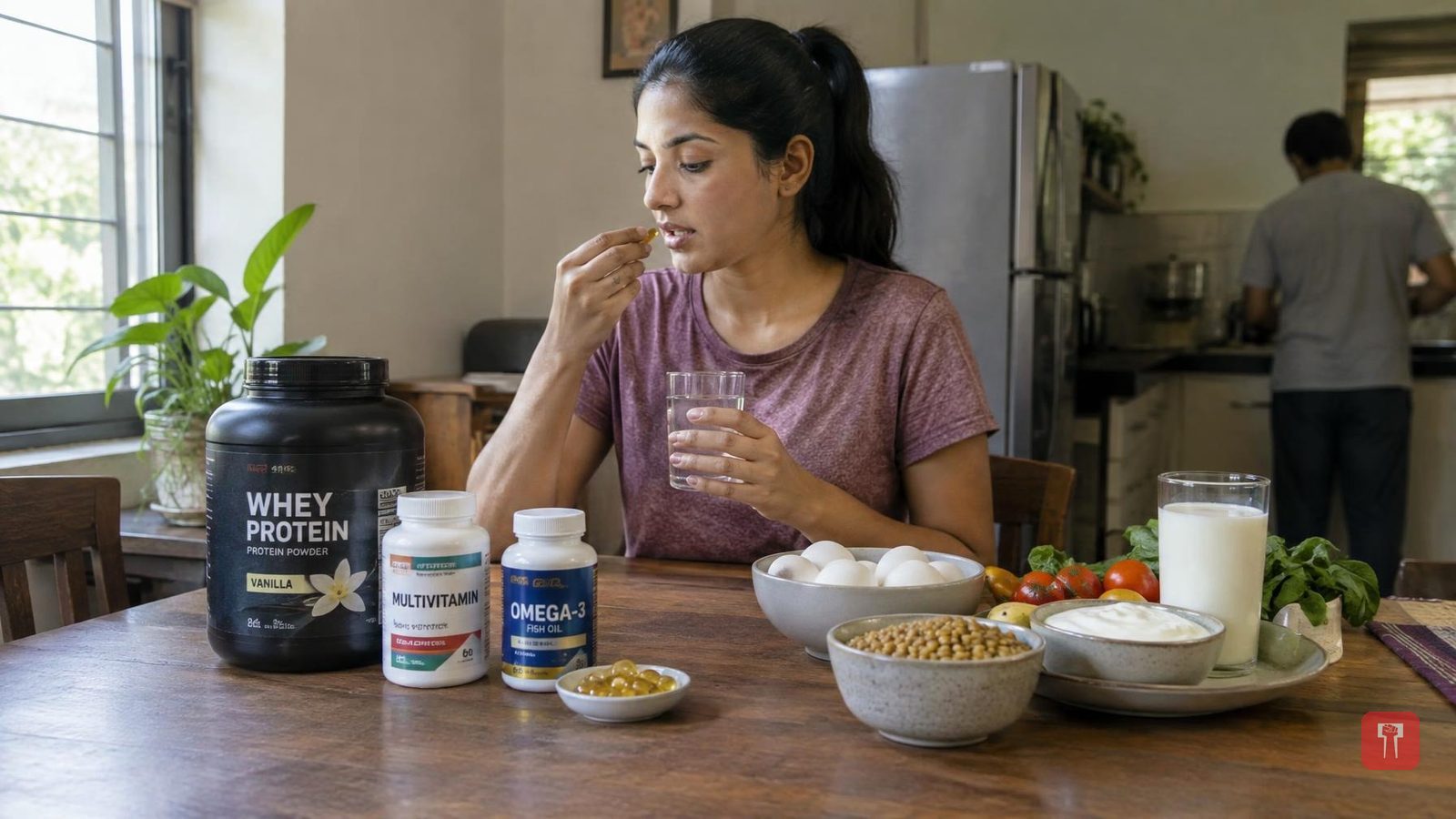
Keeping fit has become a challenge in today's fast-paced life. Along with good food, regular exercise and enough sleep, diet supplements are increasingly becoming part of daily life. The Pew Research Center conducted a major survey in July 2026 on changing health habits in the United States. According to the survey, about 78 percent of American adults take some kind of supplement.
Americans' health regimens now include not just daily meals but various pills, protein powders and omega oil capsules. The survey found that most people who take supplements believe these products are essential for their health. Among those who take vitamins or minerals, 62 percent said the supplements were very important to their daily lives, as did 63 percent of those who take omega oil.
The survey also found that women and higher-earning households take the most supplements. Women are ahead of men in supplement use, with about 82 percent of American women taking some form of supplement compared to 74 percent of men. Women also spend more than men on vitamins, minerals and herbal supplements.
A direct link was also found between household income and supplement use. In higher-income households, 85 percent of people take supplements regularly, compared to 78 percent in middle-income households and 74 percent in lower-income households. The gap is even sharper for protein supplements: 40 percent of people in higher-income households take protein powder, compared to just 28 percent in lower-income households.
By age, 37 percent of young adults aged 18 to 29 take protein supplements regularly, compared to just 23 percent of those above 65. Younger people focus more on gym and fitness, making protein supplements their first choice. By race, Asian Americans lead in taking omega-3 and fish oil supplements, with about 40 percent taking omega oil capsules, compared to about 25 percent among Black, white and Hispanic Americans.
Supplement use is rising rapidly around the world, but doctors say not everyone needs supplements. Supplements cannot replace natural food. The protein, vitamins and minerals the body needs can easily come from eggs, milk, curd, lentils, sprouted grains, soybeans and fish. Doctors say a proper review of one's daily diet is needed first to determine whether protein powder or vitamin pills are actually necessary. Taking a supplement on a doctor's advice makes sense only when there is a specific vitamin deficiency in the body. There is no shortcut to good health -- a balanced diet, regular exercise and full sleep are the real keys.
