

Wholesale inflation rises to 9.92% in August, fuel and power surge sharpest
Wholesale price inflation climbed to 9.92 percent in August, driven by a sharp jump in fuel and power costs, government data showed.
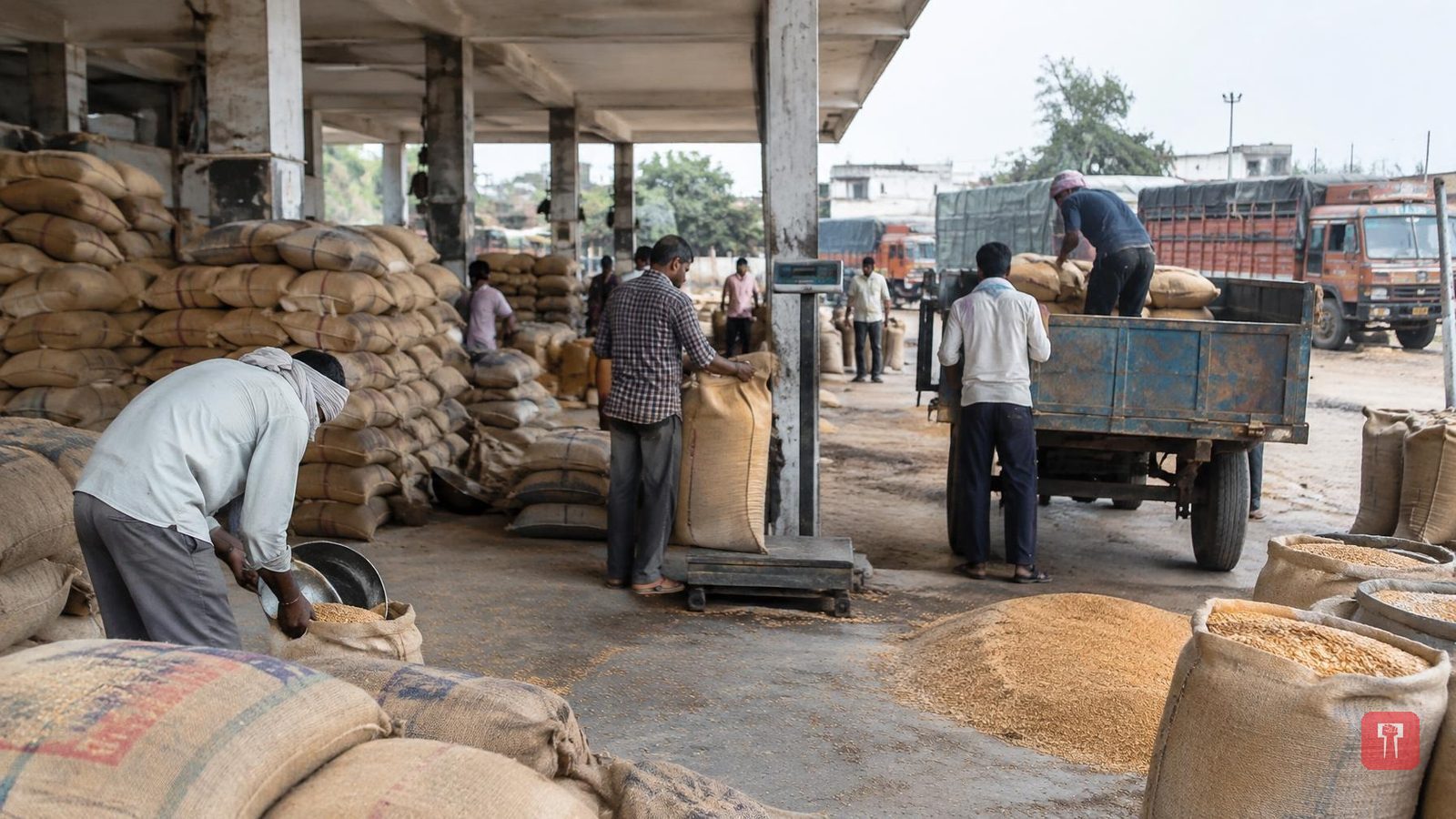
India's wholesale inflation continued to climb in August. Inflation based on the Wholesale Price Index, or WPI, rose from 9.78 percent in July to 9.92 percent in August 2026. The Ministry of Commerce and Industry gave this information in government data released on Monday. According to the ministry, wholesale inflation has been rising steadily since the start of the current financial year.
With grains and everyday essentials becoming costlier, food sector inflation rose from 6.65 percent in July to 7.05 percent. Inflation in manufactured food products stood at 9.65 percent, meaning price pressure was not limited to raw grain but extended to packaged and processed goods made from it as well.
The manufacturing sector also felt the impact. Wholesale inflation for manufactured goods rose from 8.29 percent in July to a peak of 8.37 percent. But the sharpest jump came from the fuel and power sector, where wholesale inflation was recorded at 22.93 percent, up from 20.05 percent in July, showing how much the burden of energy costs on industry has grown. Petroleum product prices rose 38.48 percent compared with the same period last year, while crude petroleum and natural gas became 34.41 percent costlier. Petroleum-linked prices were the biggest driver pushing wholesale inflation higher.
According to the ministry, the main reasons for the rise in inflation in August were increases in prices of mineral oil, that is petroleum products, food items, basic metal manufacturing, non-food articles and chemical products.
Global developments are also seen as playing a major role behind this rise. The war in West Asia and the resulting blockade of the Strait of Hormuz have badly affected India's imports of crude oil and fertiliser. This has driven up crude oil prices worldwide, directly raising the cost of grain and transport within the country.
The Wholesale Price Index measures the price at which goods are sold in the wholesale market, that is, the price as goods move from the factory to a large trader or shopkeeper. It is not the rate a consumer pays in a shop; that is captured by the Consumer Price Index, or CPI. Another difference is that WPI does not include services, so items such as school fees, doctors' fees, house rent or mobile recharges are not part of it. It mainly tracks prices of grain, vegetables, petroleum, steel, cement, textiles, chemicals and similar goods.
