

World Sudoku Day: the history and brain benefits behind the September 9 puzzle
On World Sudoku Day, marked every September 9, a look at how the number puzzle began and why doctors say it keeps the brain sharp
 Images are not validated/verified
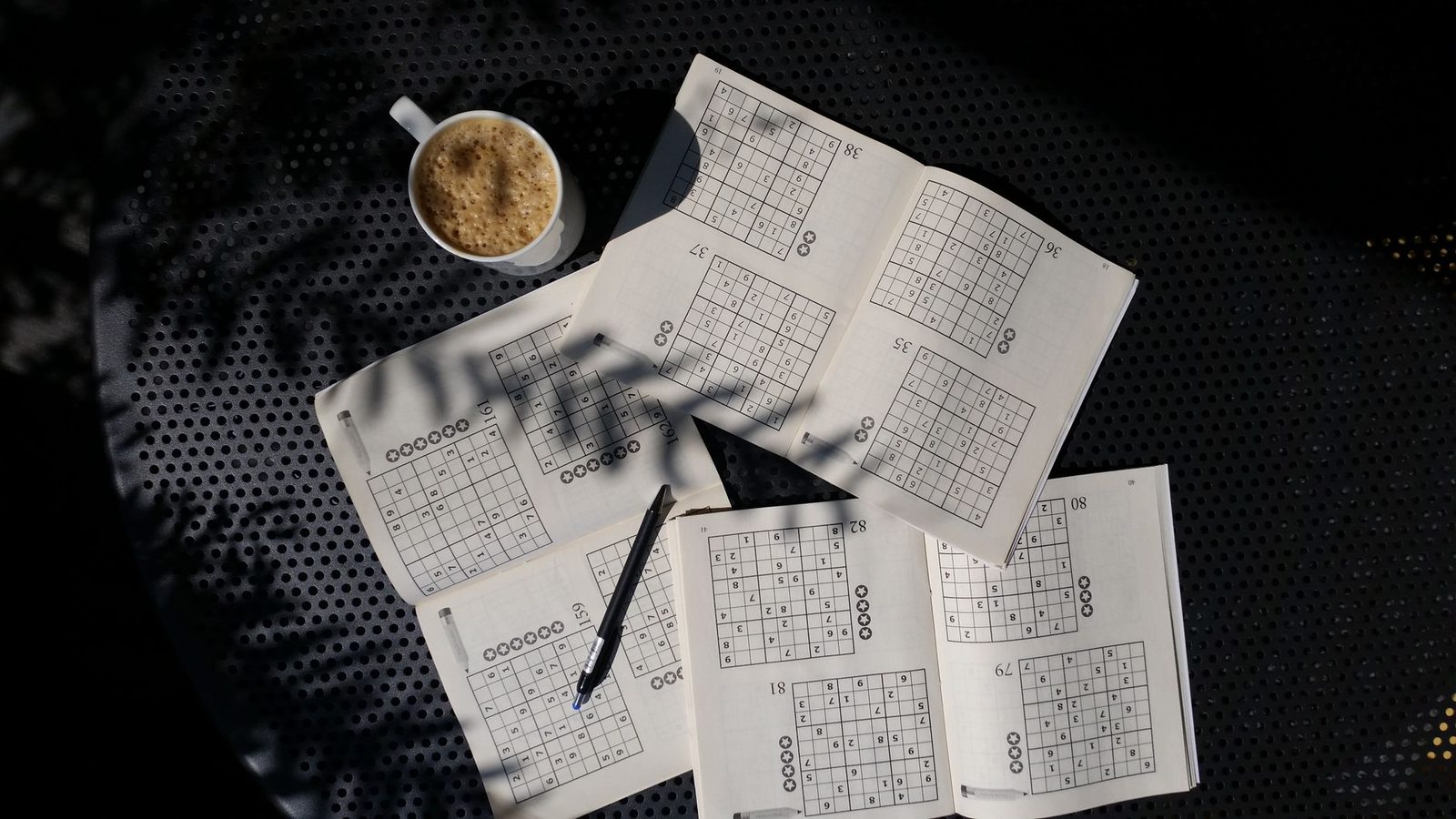
In today's fast-paced, digital life, as much attention is now needed for the health of the mind as for the fitness of the body. People exercise to stay fit, but the question of what to do to keep the brain active is answered every year on September 9, when International Sudoku Day is celebrated with enthusiasm around the world. The day is not just a celebration of a game, but a tribute to the power of the human mind and logical thinking. Sudoku is a puzzle that has made millions of people around the world fans of it through its simple yet challenging rules.
Many people wonder why September 9 was chosen for this game. There is an interesting and logical reason behind it. A standard Sudoku board is a 9x9 grid, that is, 81 cells in total, using numbers from 1 to 9. The ninth month of the year, September, and the 9th of that month (9/9), matches exactly with Sudoku's 9x9 structure. Keeping this idea in mind, the World Puzzle Federation officially declared September 9 as International Sudoku Day in 2013. Since then, the day has been celebrated globally every year.
Sudoku is generally considered a Japanese game, but its history is much older than that. In the 18th century, Swiss mathematician Leonhard Euler introduced a concept called the "Latin square," which resembled Sudoku. In 1979, American architect and puzzle-maker Howard Garns designed the modern form of Sudoku. He named it "Number Place." In 1984, the game reached Japan, where the Japanese magazine Nikoli renamed it "Suji wa dokushin ni kagiru," which literally means "the numbers must occur only once." The name Sudoku is a shortened form of this phrase. In 2004, the London newspaper The Times began publishing Sudoku, and within a few months the game became famous worldwide.
Playing Sudoku is not just a pastime but a good exercise for the brain, with several scientific benefits. Solving Sudoku does not require mathematics, only logic. Thinking about which number fits in which cell exercises the left side of the brain, developing analytical thinking. In an age when attention spans are shrinking because of mobile phones, playing Sudoku requires full focus on the cells, which improves both short-term memory and concentration. When absorbed in Sudoku, the mind stays away from everyday tension, working like a form of "digital detox" or "mindfulness." According to research, playing brain games daily in old age keeps brain cells active, significantly reducing the risk of diseases such as dementia and Alzheimer's. When schoolchildren play Sudoku, it also improves their powers of observation and their ability to find a way out of difficult situations through logic.
The day is marked in creative ways around the world. Sudoku competitions are held in schools and colleges to test students' mental ability. Many gaming apps and websites offer special live competitions, time-trial challenges and newer puzzle formats such as Killer Sudoku and Samurai Sudoku on this day. Many newspapers print special Sudoku puzzles on this day, and people gift each other Sudoku books. International Sudoku Day is a reminder that just as the body's muscles need exercise to stay strong, brain cells need mental challenges to stay healthy. Whether for young children, youngsters or senior citizens, solving Sudoku for 10 to 15 minutes daily is a habit that is quite beneficial for health.
