

Yemen conflict escalates: Saudi crown prince asks Trump for help, US declines direct strikes
As Houthi rebels seize Mokha and push toward the Bab el-Mandeb Strait, Saudi Arabia's MBS sought US military action, but Trump held back.
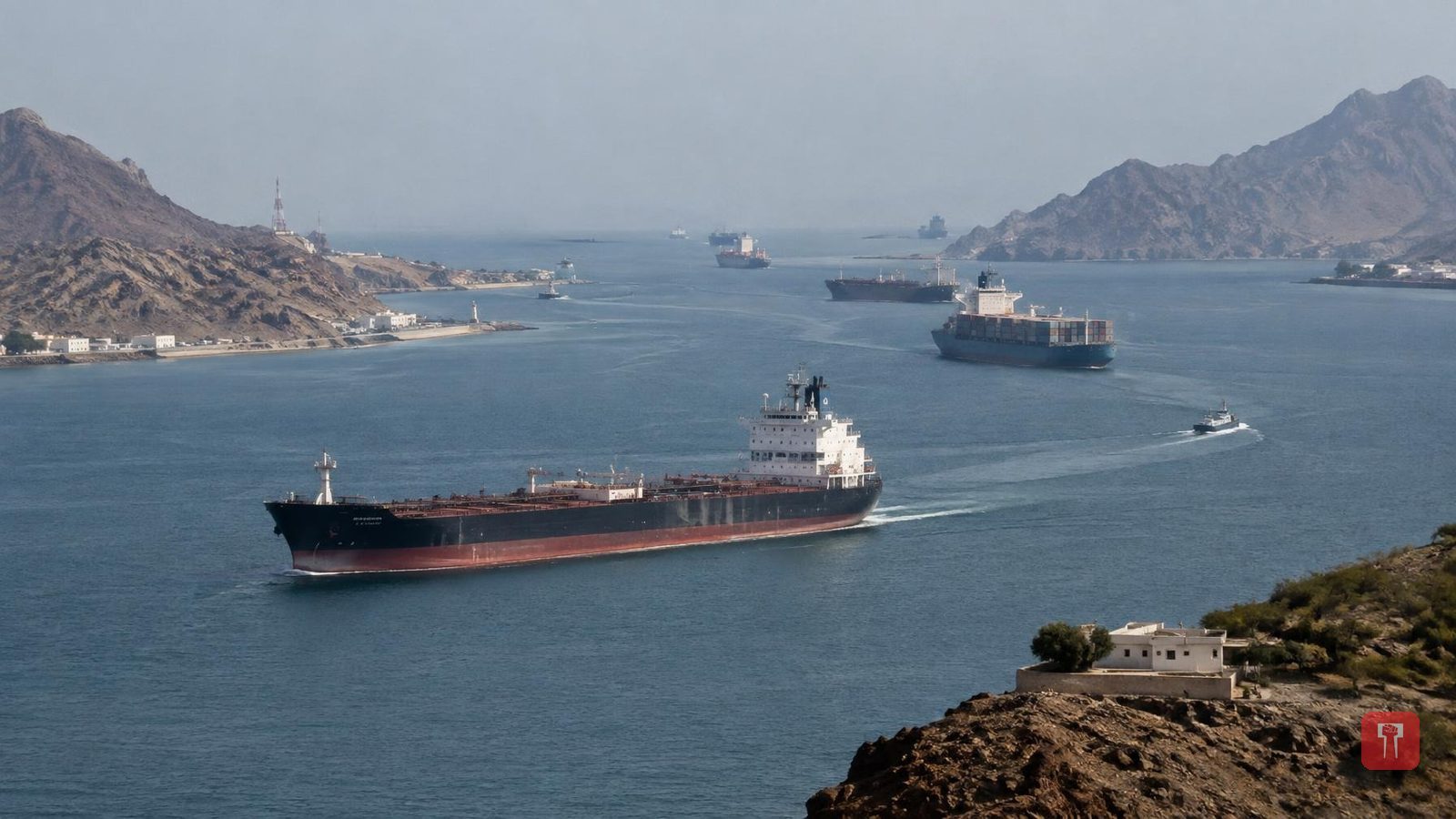
Military and political tension in the Middle East is escalating by the day. Iran-backed Houthi rebels in Yemen have expanded their control and fully captured the strategic city of Mokha, forcing Saudi-backed Yemeni forces to retreat. With Houthi fighters advancing rapidly southward, Saudi Arabia's border and security now face a major threat.
Given the deteriorating situation, Saudi Crown Prince Mohammed bin Salman (MBS) reached out directly to Washington. According to a special report by the American news agency Axios, MBS called US President Donald Trump twice in a single day. In the first call, he briefed Trump on the worsening situation in Yemen, and a few hours later called again to press strongly for the US to carry out direct air and missile strikes on the Houthi rebels.
Despite this urgent and significant request from MBS, President Trump clearly declined to carry out direct military strikes on the Houthis. According to senior US administration officials, the Trump administration does not currently want to open a second new front of war in the region. America's main focus remains on keeping the Strait of Hormuz secure and monitoring Iran's movements.
Although Trump avoided direct air strikes, Saudi Arabia has not been left entirely alone. The US has approved supplying the Saudi military with intelligence, including targeting data, on Houthi positions. Around 200 American military personnel are currently stationed in Saudi Arabia, providing only technical and intelligence support without entering direct combat.
After seizing Mokha, the Houthi rebels' next target is the Bab el-Mandeb Strait. This sea route is considered highly sensitive and important globally, with nearly 12 percent of the world's maritime trade passing through this narrow passage. Saudi Arabia's major crude oil exports also pass through this route via the Red Sea.
Iran is already putting pressure on shipping traffic through the Strait of Hormuz. If the Houthis gain full control of Bab el-Mandeb as well, Iran and its allies would gain a powerful tool to choke global fuel supplies. This has already driven up oil prices in international markets, with adverse effects visible on the global economy.
Earlier, Saudi Arabia had tried to seek help from regional Muslim countries for its security. Under the Mecca agreements, Saudi Arabia had sought military assistance from Pakistan and Turkey, but both countries refused to send troops directly or intervene in the war in Yemen. It was only after its allies turned away that Saudi Arabia once again had to turn to the United States.
To review the situation and hold urgent talks, US Central Command (CENTCOM) commander Admiral Brad Cooper arrived in Saudi Arabia on an emergency visit on Thursday. He held important closed-door meetings with Saudi military officials. This makes clear that while the Trump administration is not carrying out direct strikes, it is making every effort to strengthen Saudi Arabia's defences.
