

World Dolphin Day: why the ocean's health indicator is under threat
World Dolphin Day, marked every September 12, highlights the pollution, fishing nets and hunting pushing dolphins toward decline
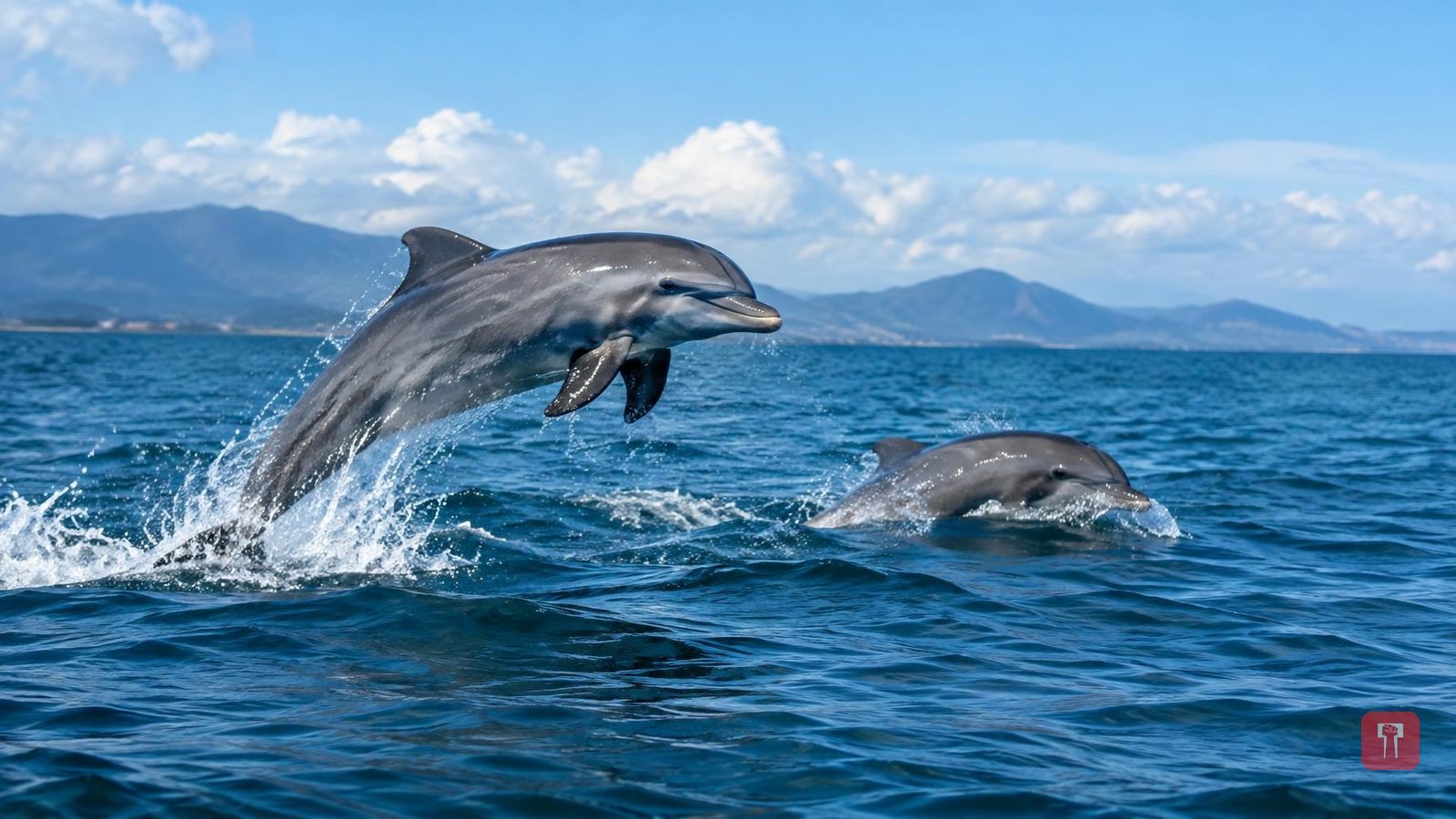 Images are not validated/verified
Every year, September 12 is observed worldwide as World Dolphin Day. Dolphins, which swim freely in seas and rivers, are regarded as a unique gift of nature to human civilisation. They are known across the world as highly intelligent, sensitive creatures that bond easily with humans. But the day is not only meant to celebrate this beautiful animal, it is also meant to draw attention to the threats looming over its existence and to call for concrete steps to protect it.
Dolphins are considered to hold a very important place in the marine environment. According to environmental experts, a sea or river with a healthy dolphin population is generally considered to have good water quality and healthy marine life. In other words, dolphins can be called a direct indicator of the ocean's health. So protecting dolphins is not just about saving one animal, it is about maintaining the balance of the entire ocean and its environment.
Unfortunately, unchecked human activity and rising pollution have today put the dolphin species at great risk. Thousands of tonnes of plastic waste dumped into the sea every day are proving fatal for these innocent creatures. Every year, thousands of dolphins die of suffocation after swallowing pieces of plastic mistaking them for food, or getting trapped in old, discarded fishing nets, known as ghost nets. Besides this, growing ship traffic, noise pollution in the sea, unrestrained fishing, and changing sea temperatures due to climate change have badly damaged the dolphins' natural habitat. In some countries, dolphins are hunted illegally for commercial gain or kept in captivity for entertainment. Because of all these problems, dolphin numbers are declining rapidly in rivers and seas across the world.
On World Dolphin Day, environmental organisations, marine research institutions and governments around the world run special conservation campaigns. Schools, colleges, social media and the media are used to spread awareness among young people and the general public about keeping the oceans clean. We too can make a big contribution at our own level. Small steps, such as not littering plastic waste while walking along the seashore or riverbank, avoiding the use of plastic, and not watching commercial dolphin shows or performances, can help save these creatures. Only if dolphins survive can our oceans and marine life survive, and that is the message this important day gives us.
