

Varaha Jayanti 2026: why Vishnu took the boar form to rescue the earth
Varaha Jayanti falls on September 13, marking Vishnu's boar avatar that saved the earth from the demon Hiranyaksha
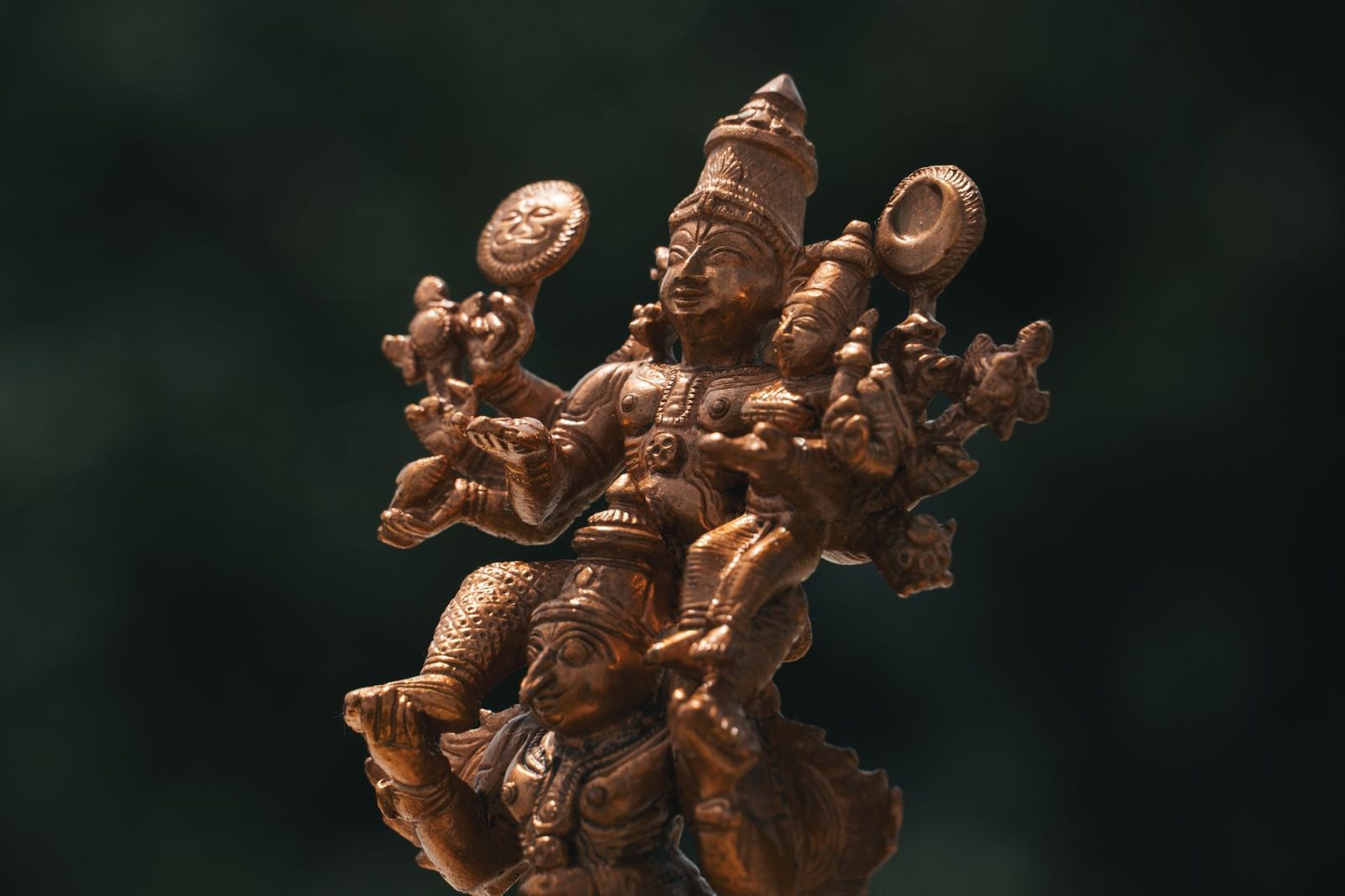 Images are not validated/verified
Among Hindu tradition's ten avatars of Lord Vishnu, the Varaha avatar holds special significance, in which Vishnu took the form of a boar to save the earth from disaster. Varaha Jayanti is celebrated every year on the third day of the bright half (Shukla Paksha) of the month of Bhadrapada. On this day, there is a tradition of worshipping Vishnu's Varaha form and observing a fast.
According to religious belief, worshipping this form of Vishnu on Varaha Jayanti washes away sins and brings relief from life's troubles. It is also believed that those who wish for land or a house can chant special mantras and follow rituals dedicated to Lord Varaha. Afternoon is said to be the most auspicious time for this worship.
This year Varaha Jayanti falls on Sunday, September 13. According to the almanac, the Tritiya date begins at 7:08 am on September 13 and continues until 7:08 am on September 14. Afternoon is considered the best time to worship Lord Varaha, and the auspicious worship period on this day will run from 1:23 pm to 3:51 pm, giving a total of 2 hours and 28 minutes for the puja.
According to the story, in the Satya Yuga a demon named Hiranyaksha, displaying his strength, submerged the earth in the ocean and dragged it toward the netherworld. As the earth sank into the ocean, the balance of all creation was disturbed and every living being faced peril. At that time, Lord Vishnu took the form of Varaha to protect the earth.
It is believed that when no other way remained to save the earth, Lord Vishnu appeared as Varaha from the nose of Lord Brahma. His body instantly grew to a massive size. Lord Varaha descended into the ocean, went to its depths and found the earth. Before bringing the earth out of the ocean, Lord Varaha confronted the powerful demon Hiranyaksha, and a fierce battle followed between them. Finally, Vishnu in his Varaha form killed Hiranyaksha and freed the earth from his grip.
The story says that the boar form was best suited for diving underwater to find and bring back the earth, which is why Vishnu chose this form. Using Varaha's strong tusks and snout, the Lord reached the bottom of the ocean, lifted the earth goddess and brought her to safety. This is why, in the Varaha avatar, Lord Vishnu is depicted carrying the earth on his tusks or snout. This act is regarded as being aimed at protecting the earth and all creation.
As for the worship ritual, one should wake up early, bathe and wear clean clothes, then take a vow to fast or perform the puja. A red or yellow cloth should be spread on a low platform, on which an idol or picture of Lord Varaha or Lord Vishnu is placed. Tulsi leaves, sandalwood paste, unbroken rice, incense, a lamp and red flowers or a lotus are offered to the deity. This is followed by an offering of panchamrit, fruits and sweets. The story of the Varaha avatar is recited, and the mantras "Om Namo Bhagavate Vasudevaya" or "Om Varahaya Namah" are chanted. Finally, a ghee lamp is lit and aarti is performed while seeking forgiveness for any mistakes.
