

Houthi attack on Saudi Arabia injures 73, halts oil exports; Pakistan warns of joining war
Houthi rebels struck Saudi military and economic sites, halting 400,000 barrels of daily oil exports and testing the Mecca defence pact.
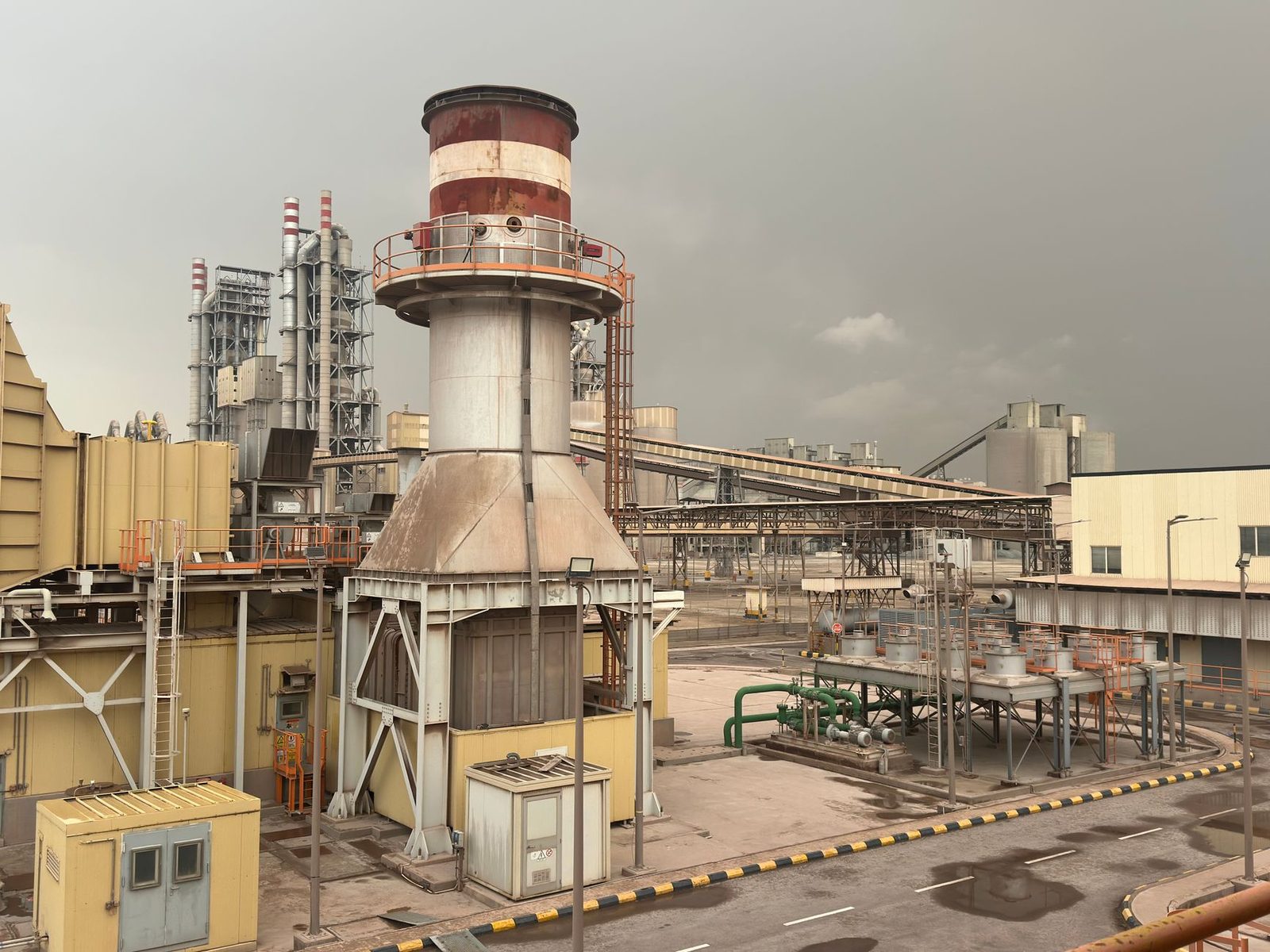 Images are not validated/verified
The geopolitical situation in the Middle East has suddenly reached a dangerous turn. Iran-backed Houthi rebels in Yemen have shaken the world by launching simultaneous attacks on key military and economic sites in Saudi Arabia. The attacks targeted four major Saudi cities, seriously injuring more than 73 civilians. Most worrying is that the attacks have completely halted Saudi Arabia's daily export of 400,000 barrels of oil, causing turmoil in the global fuel market.
The crisis has raised a big question mark over the three-tier security alliance formed jointly by Saudi Arabia, Pakistan and Turkiye, known around the world as the "Islamic NATO". Despite the scale of the attack on Saudi Arabia, the initial delay by Pakistan and Turkiye in sending direct military help intensified discussion in international politics over whether the pact remained confined to paper.
A few months ago, Saudi Arabia, Pakistan and Turkiye had signed the "Mecca Joint Defence Agreement" at Saudi Arabia's Al-Safa Palace. The agreement is modelled on Article 5 of the Western NATO military alliance. Under its terms, a military attack on any one of the three countries would be treated as a direct attack on all three, and all three would jointly respond militarily. It also includes intelligence sharing, joint military exercises and the supply of advanced defence technology. Pakistan's substantial military strength and nuclear weapons, Turkiye's advanced drone and weapons manufacturing capability, and Saudi Arabia's vast financial resources were what led to the alliance being called the "Islamic NATO".
After the Houthi attack, as the Pakistan government remained silent for a while, pressure mounted on it from Saudi Arabia and international circles. Pakistan already has 8,000 soldiers stationed in Saudi Arabia, and has previously promised to send up to 80,000 more soldiers if needed.
Following the mounting criticism, Pakistan's defence minister Khawaja Asif clarified his country's position in an interview with Geo TV. He said, "The Mecca agreement is not merely a formal document. Under this agreement we are bound to Saudi Arabia's security, and there is no doubt about that. If Yemen's Houthi rebels or other non-state groups continue to cross the border and openly attack Saudi Arabia, this agreement will be invoked and Pakistan will respond militarily."
Putting the agreement into direct effect will not be easy for Pakistan and Turkiye. Yemen's Houthi rebels have the direct backing of Iran. Because Pakistan's border directly adjoins Iran and religious equations within the country are sensitive, going to war directly against Iran-backed groups could prove dangerous for Pakistan. Turkiye, for its part, is itself a NATO member and is trying to keep its distance from this Middle East conflict.
Given the attacks on Saudi oil facilities and the uncertainty in international markets, whether this pact will eventually translate into real action or remain stuck in diplomatic talks will become clear in the days ahead.
