

Pakistan mulls closing shops after 8pm as fuel crisis deepens
Shahbaz Sharif's government is weighing a nationwide four-day work week and evening shutdowns to cut fuel and power use.
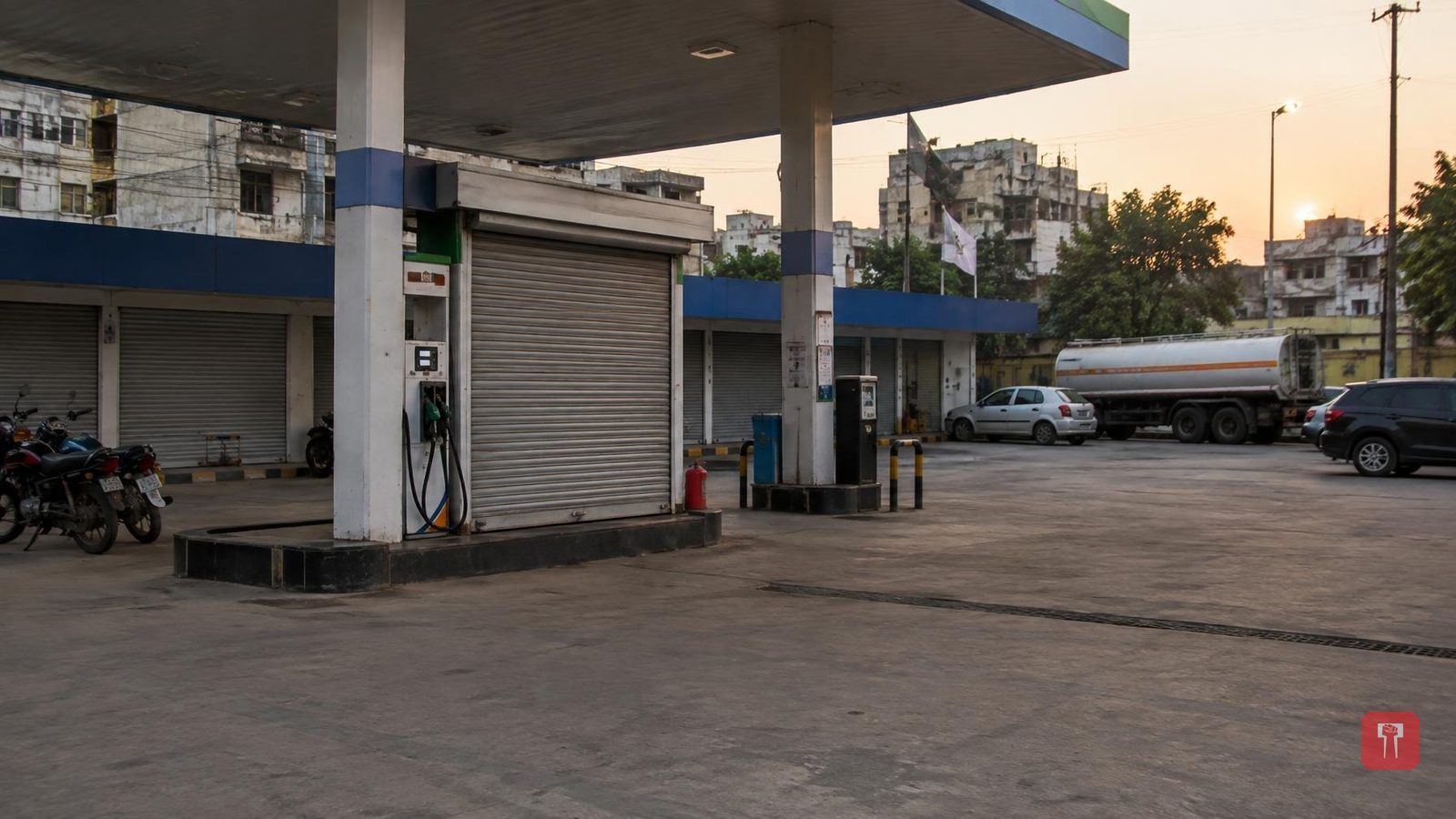
The military conflict in West Asia is escalating, and its effects are now being felt worldwide. Pakistan appears to be among the hardest hit. Houthi rebel attacks on Saudi Arabia's oil infrastructure have deepened Pakistan's fuel crisis, while rising international oil prices are putting heavy pressure on the country's already low foreign exchange reserves.
To ease this growing economic burden and cut fuel consumption, Prime Minister Shahbaz Sharif's government is considering a nationwide "petroleum smart lockdown". A high-level meeting chaired by Sharif discussed a draft emergency plan under which the government is considering several strict steps to immediately reduce fuel and electricity consumption.
These include a four-day work week with three days off for government and private sector offices, rotational duty, and online classes. The crisis has grown severe enough that its impact is feared to be felt worldwide.
Under the plan, government and private offices, schools and colleges would be open only four days a week, with holidays possibly declared on Friday, Saturday and Sunday. If schools remain shut, college and university classes could immediately shift online.
It has been suggested that corporate and IT sector employees be allowed to work from home at least two days a week, and that a rotational duty system be introduced for government employees. To save electricity, an order may be issued to close commercial markets and shopping malls by 8pm. Restaurants and wedding halls would be required to close by 10pm.
Only essential services such as medical stores would be exempted from this rule. Fuel allocation for government departments and ministers could be cut by up to 50 percent.
Pakistan is currently facing a severe fuel crisis. Supply through the Strait of Hormuz has been disrupted amid the US-Iran conflict. Pakistan imports 70 percent of its petroleum needs from Middle Eastern countries. Due to the current geopolitical tension, Pakistan is estimated to have only 28 days of petrol and diesel stock left. In addition, rising crude oil prices pose a risk of further rapid decline in Pakistan's foreign exchange reserves. As a result, the government is left with no option but to impose strict restrictions to bring the situation under control.
