

Nagpur declared a 'Tourism District' to boost heritage and wildlife travel
Maharashtra's tourism department has officially declared Nagpur a Tourism District to develop its heritage, religious and wildlife tourism.
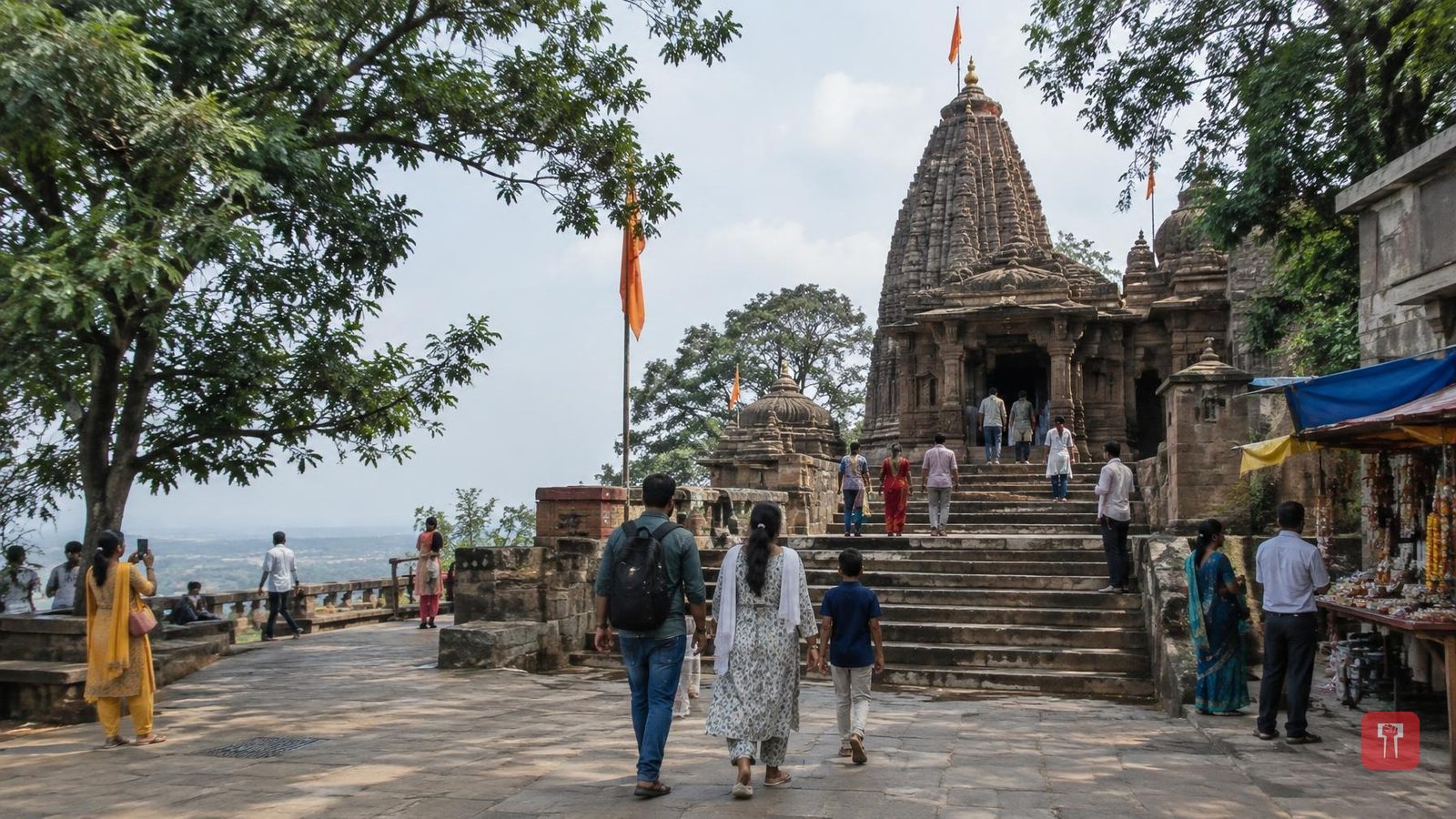
Nagpur, known as the Orange City and also called Maharashtra's second capital and India's Tiger Capital, has been officially declared a "Tourism District" by the Maharashtra government's tourism department.
The decision is expected to help develop and promote the historical sites, religious and cultural heritage, natural spots and wildlife tourism present in Nagpur district.
Nagpur had earlier been given the status of a "Special Tourism District" under the Maharashtra Tourism Policy-2016 in view of its economic and non-economic importance. However, considering the district's growing tourism potential, strategic geographical location and rich historical heritage, a proposal was sent to the government seeking a separate "Tourism District" status, on which the government has now issued an official resolution.
A major aim of the decision is to increase Nagpur's tourism potential, bring in more tourists and create new employment opportunities for local people. According to the order issued by Tourism Department Deputy Secretary Santosh Rokade, special emphasis has been placed on local economic development through tourism. Growth in this sector is expected to benefit tourism-related businesses such as hotels, transport services, local food businesses, tourist guides, handicrafts and folk arts.
Nagpur has a rich history. It was an important seat of power during the rule of the Gond kings and the Bhosale dynasty. The district has several historical buildings, heritage sites and old landmarks that reflect this past. The identity of the Orange City and its natural wealth further boost its tourism potential.
Nagpur also holds a special place on India's map when it comes to wildlife tourism. The city is an important gateway to major wildlife destinations such as Pench National Park and Umred-Karhandla Wildlife Sanctuary. Wildlife lovers from across the country and abroad use Nagpur as a base to explore the tiger habitats in the region. The new Tourism District status is expected to give further momentum to the planned and systematic development of wildlife tourism infrastructure.
Religious and cultural tourism also form a large part of Nagpur's tourism. The historic Ram temple at Ramtek, Khindsi and Deekshabhoomi are among the district's major attractions. Besides these, the district's parks, folk traditions, handicrafts and the rich culture of tribal folk dances also hold great potential for cultural tourism.
With this new status, Nagpur now has the opportunity to develop an integrated tourism ecosystem combining heritage, religion, culture, nature and wildlife, which can help position the district as a major tourism destination in Maharashtra.
