

Bison return to Mexico desert after 160 years, greenery follows
Nearly 200 years after disappearing, American bison have been reintroduced in Mexico's Coahuila region, reviving the arid landscape
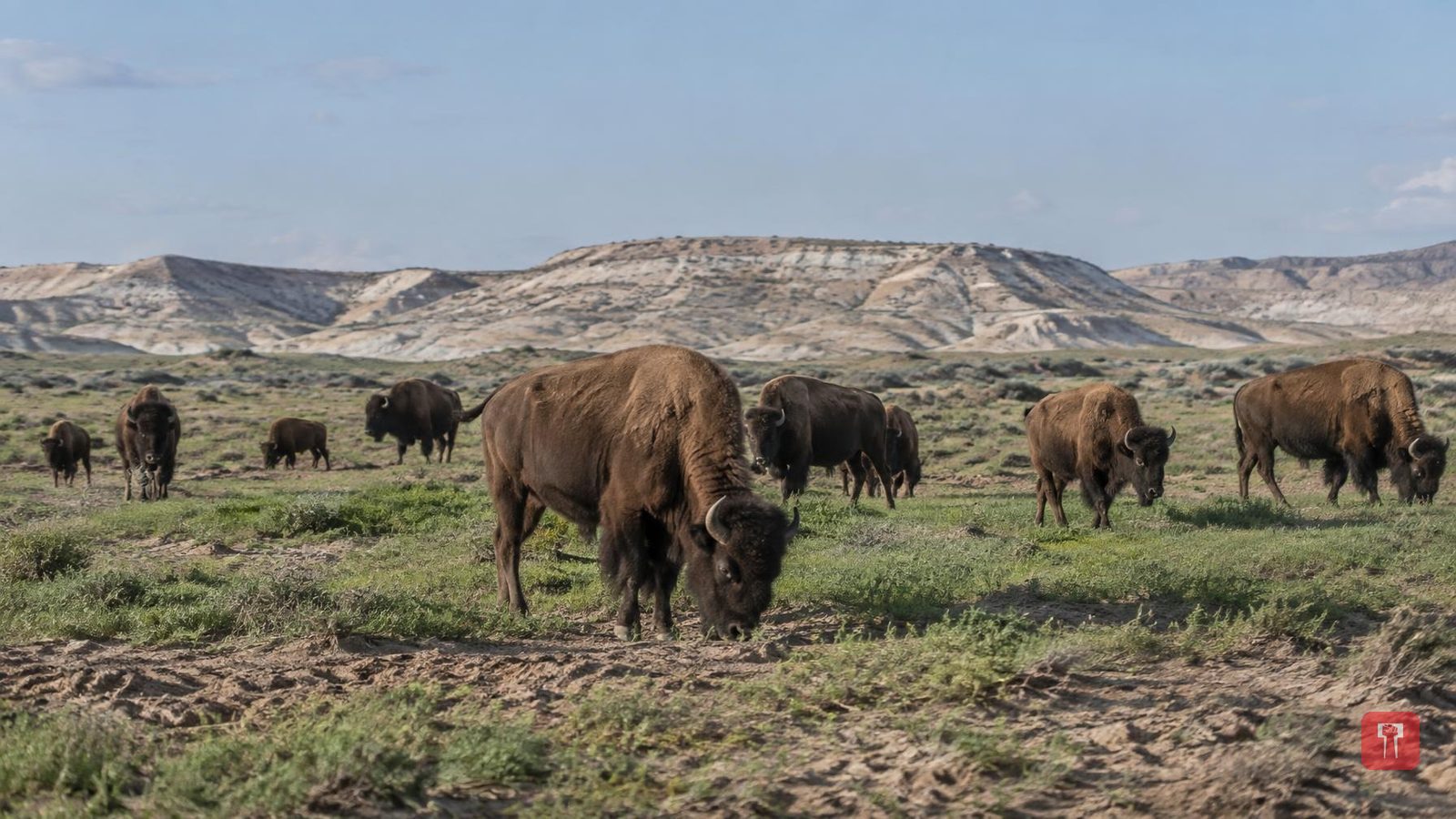
Nature has a remarkable ability to heal itself, given the right help. A similar sight is unfolding in Mexico's desert. The American bison, a massive animal that had vanished from the region roughly 160 to 200 years ago due to hunting and loss of natural habitat, has been reintroduced in Mexico's Coahuila region. The presence of this animal and its everyday habits have begun bringing greenery back to the dry, barren desert.
The American bison is considered the largest land mammal in North America. Thousands of herds once roamed freely across the vast plains of Canada, the United States and Mexico. In ecological terms, the bison is regarded not merely as an animal but as an ecosystem engineer, since its way of life helps sustain the health of the entire ecosystem. Rampant hunting in the late 19th and early 20th centuries wiped the animal out completely from the Mexican region.
To correct this old mistake, an organisation called Fundacion Pro Cuatro Cienegas launched a special initiative. The UNESCO-recognised Cuatro Cienegas Nature Reserve is famous worldwide for its white gypsum hills and rare blue-water lakes. The reserve is home to hundreds of plant species and rare animals. To restore the area's disturbed ecological balance, the foundation decided to reintroduce bison.
As part of this initiative, a total of 47 American bison were released into the nature reserve. It began in August, when the first three bison were released in the area. This was followed in November by a herd of 44 more bison, comprising 38 females and six males. Foundation director Gerardo Ruiz-Smith, expressing his joy on the occasion, said that bringing back an animal that humans had wiped out from the region two centuries ago to its original home was not just a historic moment but a ray of hope that gives nature a new lease of life.
It is interesting to understand how bison transform the desert landscape. This heavy animal, weighing around 750 kilograms, eats dry and old grass as it grazes in the grassland. This allows sunlight to reach new green shoots and plants. Reduced dry grass also significantly lowers the risk of sudden wildfires breaking out in the desert or grassland. This entire process is essential for plants to regrow and for biodiversity to increase.
The pressure exerted on the ground by the bison's weight and hooves also proves beneficial for the ecosystem. As these animals walk, their weight breaks up the desert's hardened upper soil layer, loosening the earth. This means that when it rains in the desert, water seeps deep into the ground instead of running off. In addition, tree seeds get pressed deep into the soil by their hooves as they walk, so new plants sprout on their own after the rainy season.
Bison dung plays a very important role in this entire process. It acts as a natural fertiliser. It attracts various insects, bugs and microorganisms. These microorganisms add organic matter to the soil, rapidly increasing the fertility of the desert's sandy soil. In other words, the arrival of just 47 bison has revived the entire cycle of soil, water and plant life across the Coahuila region.
Mexico's successful experiment is becoming an example for the world. The bison have proved that if a key species is restored to its rightful place in nature, the entire environment can heal itself. This effort to bring greenery back to the desert by reintroducing a vanished species is set to prove, without doubt, a significant step in the fight against global climate change and desert expansion in the times ahead.
