

Middle East tensions push Brent crude past $100, weigh on stock markets
Escalating conflict in the Middle East has driven Brent crude above $100 a barrel, stoking inflation fears and pressuring global equities
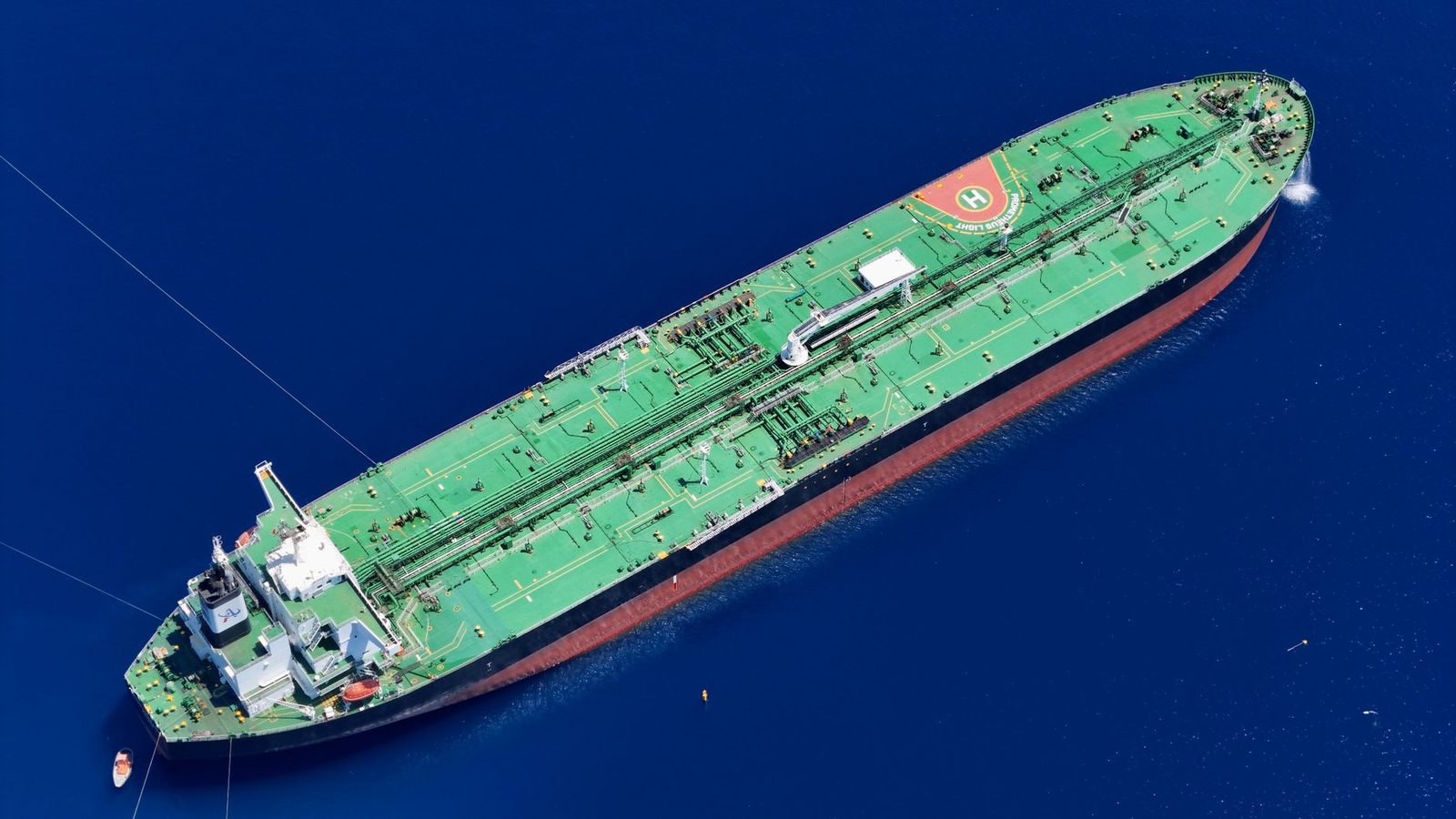 Images are not validated/verified
The escalating conflict in the Middle East is now being felt across the global economy. Fears over crude oil supply have grown as the fighting intensifies, pushing Brent crude prices above $100 a barrel.
Rising oil prices have raised fears that inflation could resurface worldwide, and this pressure is now visible on global stock markets as well.
The Middle East is considered a critical region for the world's energy supply. The escalating conflict there has raised the risk of disruption to oil shipments and supply chains, adding to investor unease and driving a sharp rise in crude oil prices.
Markets are watching the rising tension around the Strait of Hormuz in particular. A large share of the world's oil shipments pass through this route, so any major disruption there could directly affect global markets.
The shock from rising crude prices is not confined to fuel markets alone -- it also affects stock markets, industry and consumer spending. Costlier oil raises the risk of higher transport, production and energy costs, which in turn could squeeze company profits.
This has led investors to start reducing risk, creating pressure across global stock markets. Economies that are more dependent on oil could find the situation especially difficult.
If oil prices keep rising, the effect could be felt in petrol and diesel prices, transport costs and the prices of everyday goods. This could once again pose a challenge for central banks around the world trying to control inflation.
With economic uncertainty already prevailing, a further escalation of the Middle East conflict could add pressure on three fronts: oil, inflation and stock markets. Investors will be watching closely how the conflict develops and how global oil supply is affected in the days ahead.
