

Japan's centenarian population tops 100,000 for the first time
Japan's health ministry says 107,677 people aged 100 or older were living in the country as of September 1, a new record.
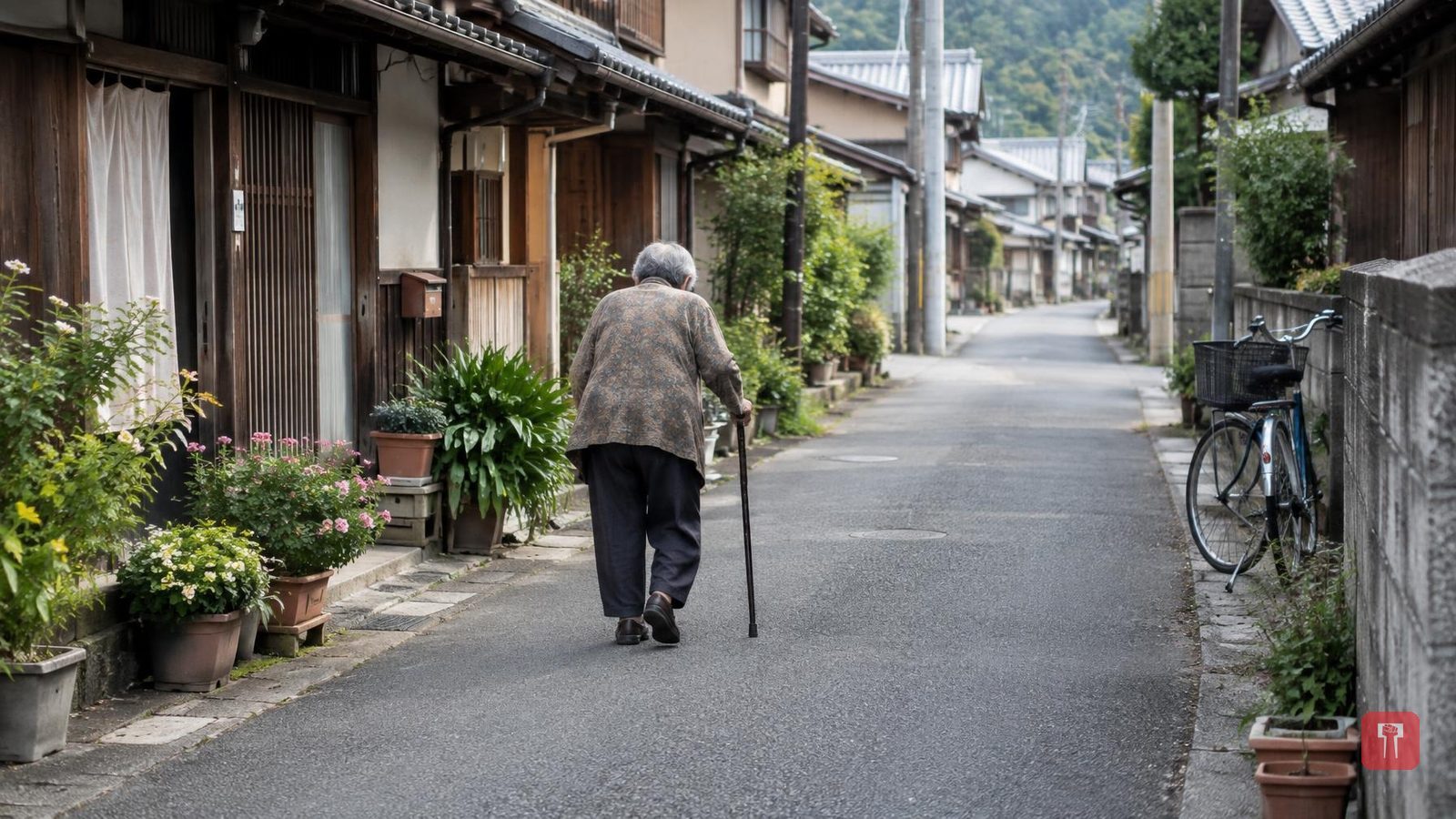
Japan is known worldwide for the long lifespans of its people, and it has now set a new record. The number of citizens aged 100 or older has crossed 100,000 for the first time. According to data released by Japan's health ministry on September 15, there were 107,677 people aged 100 or above in the country as of September 1. This is an increase of 7,914 people over last year.
This is not a one-year jump but the result of a steady rise over 56 straight years. In 1963, Japan had only 153 people recorded as being over 100 years old. The number kept growing gradually after that. It crossed 50,000 in 2012, and in just 14 years it has more than doubled to cross 100,000. This trend clearly shows how fast the average age of Japan's population is rising.
The share of women in this record is especially striking. Of the 107,677 centenarians, 94,298, or about 87.6 percent, are women, while the number of men is only 13,379. This dominance of women among Japan's long-lived population has been seen for several years now. The country's oldest living person is also a woman, Fuyo Kishimoto of Kyoto, who is 114 years old.
This rising number of centenarians is seen as good news in terms of health and longevity, but it also presents Japan with a major challenge. The country's population is ageing rapidly. With a falling birth rate and a rising number of elderly people, pressure is increasing on both the social security system and healthcare spending. So this figure is not just a record, but also an important indicator of what Japan's population structure will look like going forward.
