

Houthi crisis: Saudi Arabia seeks quiet help from Israel over Bab al-Mandeb
As Houthi rebels threaten the Bab al-Mandeb strait, Saudi Arabia has sought covert intelligence and military help from Israel via the Gulf, Egypt and US CENTCOM.
A major political development has emerged over Middle East security and the global oil supply. Iran-backed Houthi rebels in Yemen continue to expand their control, seizing several key areas, causing serious concern in Saudi Arabia. It has been reported that Saudi Crown Prince Mohammed bin Salman has indirectly sought intelligence information and military cooperation from Israel, through Gulf countries, Egypt and directly through the US military's Central Command (CENTCOM).
Houthi rebels have begun attempts to seize control of the Bab al-Mandeb strait, the crucial waterway linking the Red Sea to the Gulf of Aden. If this route is shut, international maritime trade, particularly the supply of crude oil and LNG from the Middle East to Europe and Asia, could come to a complete halt.
Saudi Arabia has said clearly that a blockage at Bab al-Mandeb would bring disaster not just for Saudi Arabia but for the world economy. Crown Prince Mohammed bin Salman has warned that the damage from a blockade of this waterway could be even greater than the damage from a closure of the Strait of Hormuz.
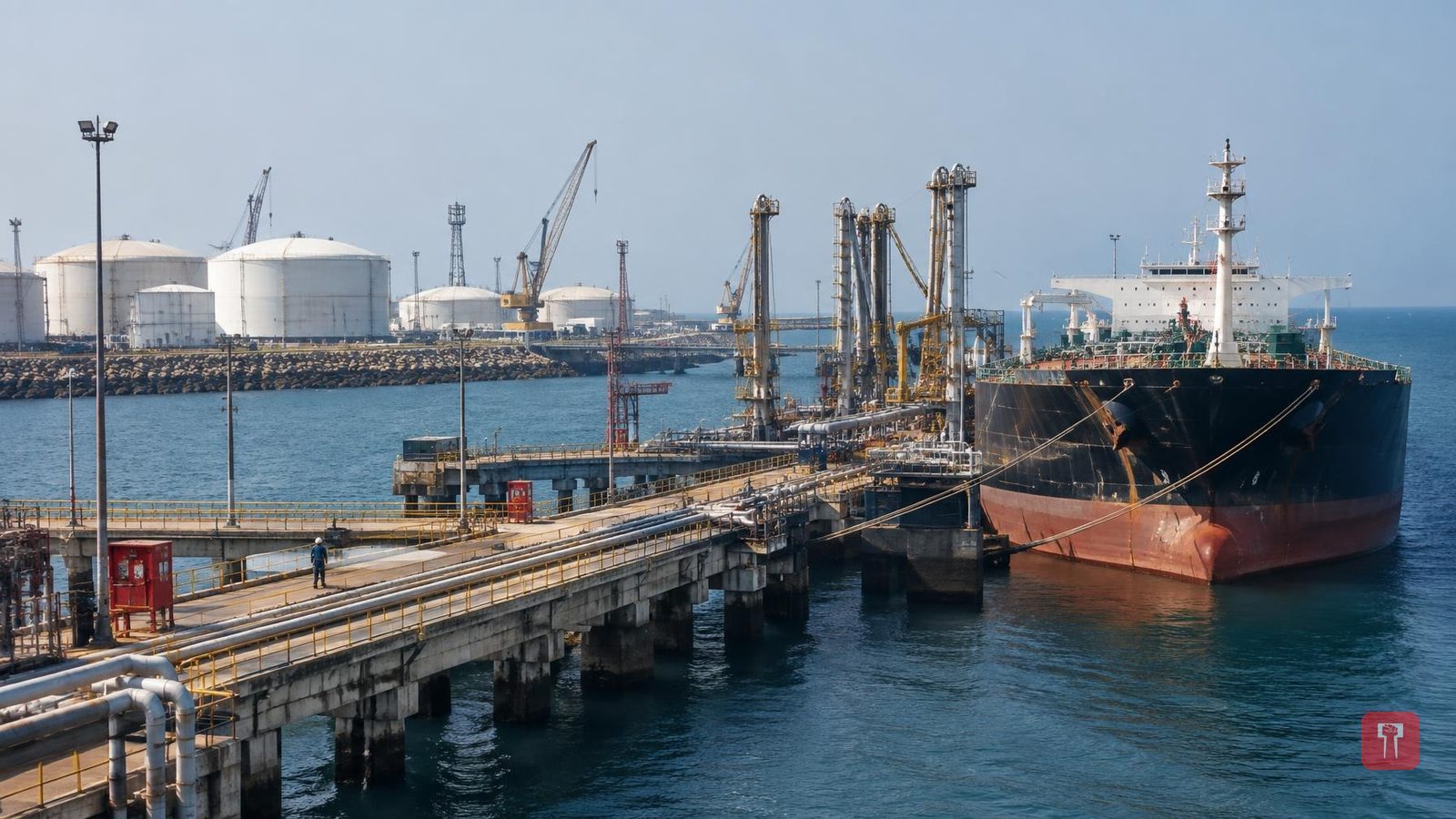
Given the Houthi attacks of recent weeks and concerns over pipeline security, Saudi Arabia has had to reroute oil tankers travelling from its Yanbu port to eastern countries via the long route around Africa, the Cape of Good Hope. Additionally, the Suez Canal, a major source of income for Egypt, has also come under threat from the blockade, which is why Egypt too has supported Saudi Arabia's appeal and its ongoing talks with the United States.
Amid this tension, CENTCOM commander Admiral Brad Cooper has visited Saudi Arabia to assess the situation. A dozen American military officials are currently present in Saudi Arabia, exchanging intelligence information. The US military is planning air strikes on new Houthi radar and missile sites near Bab al-Mandeb.
However, according to political circles, US President Donald Trump is currently not in a hurry to commit the United States directly and with full military force to this conflict. This hesitation from the Trump administration has become a headache for Saudi Arabia, which is why Saudi Arabia feels the need for help from a regional power such as Israel.
After the war between Israel and Hamas began in the Gaza Strip, Houthi rebels, claiming to support the Palestinians, began targeting merchant ships in the Red Sea from November 2023. Before this, Israel had killed several senior Houthi commanders in air strikes, but the Houthis' military strength remains intact. International observers believe that, in the current situation, there is significant behind-the-scenes activity at the intelligence level between Israel, Saudi Arabia and the United States to check the Houthis' growing influence.
