

Hormuz Strait will stay shut as long as Trump and Netanyahu are in power: Iran
Iran says the Strait of Hormuz will remain closed until Trump and Netanyahu leave power, as the US-Iran war enters its 203rd day.
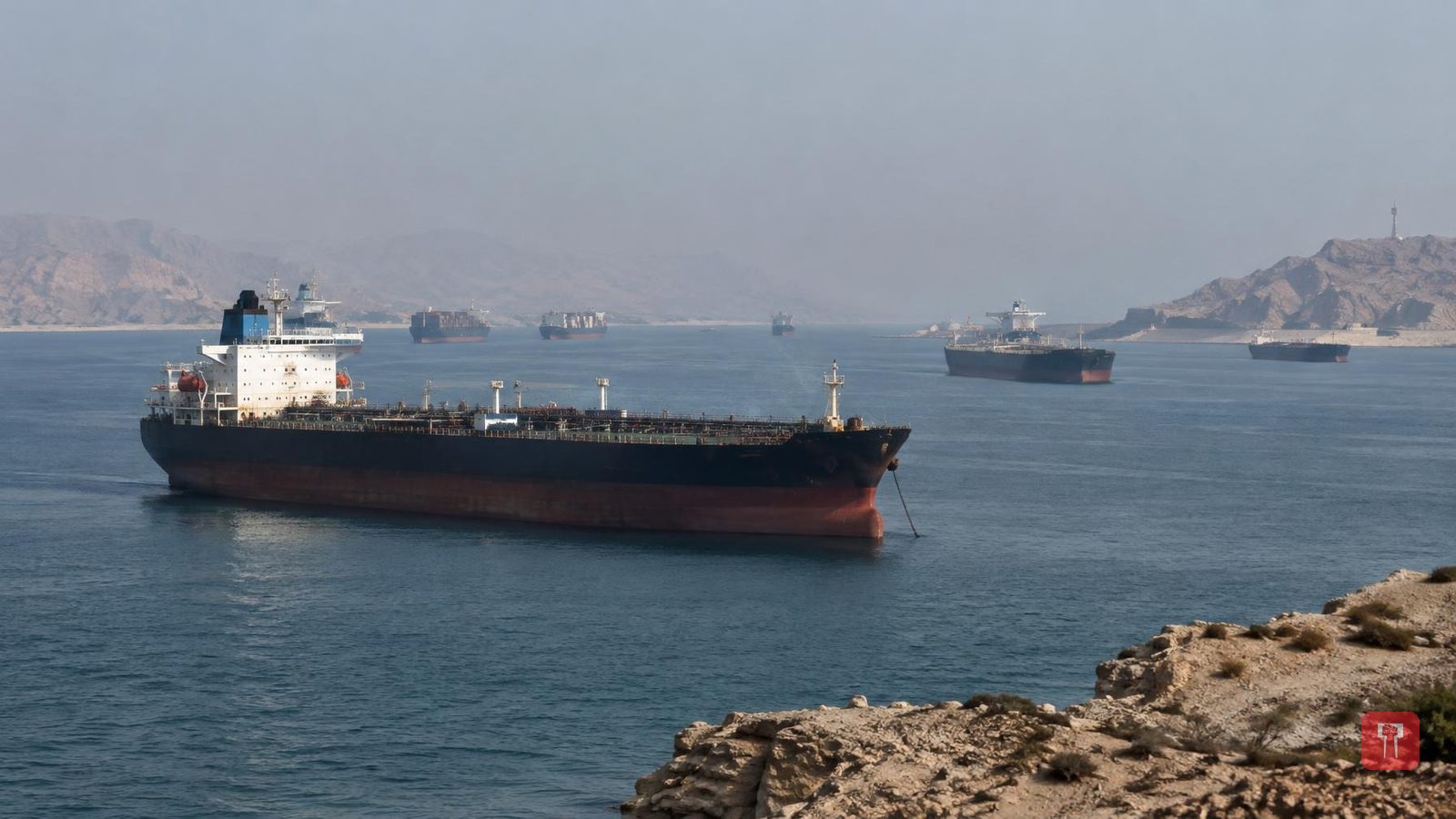
The United States under Trump went to war against Iran after claiming it could topple the government in Iran within three days and install one of its own choosing. That three-day war began on February 28, 2026, and is still going on today, September 18, 2026. A full 202 days have passed, and today is the 203rd day of the war. Even so, Iran has neither surrendered nor been defeated.
Iran is paying a higher price for this war than Israel and the United States are. For more than two decades, the United States has used its power to impose an economic blockade on Iran, including a ban on Iranian investments and assets in foreign banks. Iran was already dealing with this economic shortage when Netanyahu and Trump launched the first strike and effectively forced this war on Iran. This has further increased the economic strain on Iran, further weakened its currency and pushed up inflation.
Netanyahu and Trump did not stop there. Israel and the United States are said to have broken several rules of war during this conflict. Prominent Iranian scientists, government officials and Iran's Supreme Leader Khamenei were targeted and killed. Even after this, the two did not stop, and a missile strike on a school killed as many as 120 young children in a single moment. These actions are said to have left Iran with a particular anger toward Netanyahu and Trump.
The Strait of Hormuz matters because nearly 20 percent of the world's total oil trade by sea passes through this route alone. Geographically, Oman lies on one side of Hormuz and Iran on the other, and the route can easily be blocked by an attack launched from the territory of either country. Hormuz is significant because Gulf countries' oil trade depends heavily on this route. Even though the United States claims to have full control over Hormuz, in practice only trade between Iran and China through this route appears to be running smoothly, because the United States is no longer in a position to fight China directly, as China is not what it used to be. So even with Hormuz shut, it makes little difference to Iran and China. But the rest of the world needs Hormuz reopened soon, because crude oil prices, which have doubled since before the war.
All three countries, and the other countries backing them, want the war to stop. The use of expensive missiles has broken the back of the US and Israeli economies. The Pentagon has previously made a statement about the cost of the war, and within the United States, the feeling that this war against Iran is not their war is growing stronger. But if the war is stopped before the midterm elections, Trump will have to answer what exactly was achieved in the war. Political observers say that if talk spreads worldwide that the United States has lost a war again, Trump could suffer a heavy defeat in the elections and be forced out of office. This is said to be the reason Trump is not stopping the war.
The situation is no different for Netanyahu. If the war ends, he will have to face the corruption cases against him in court in Israel, and Israel is also due to hold elections for the post of prime minister. So as long as the war continues, national sentiment is buying him more time, and keeping the war going has become necessary for both leaders, even though ordinary, innocent civilians are paying the price.
