

Onion prices spike again to Rs 70 a kg despite government's buffer sales
Onions are selling at Rs 60 to 70 a kg in several markets even as the government sells from its buffer stock at Rs 35 a kg.
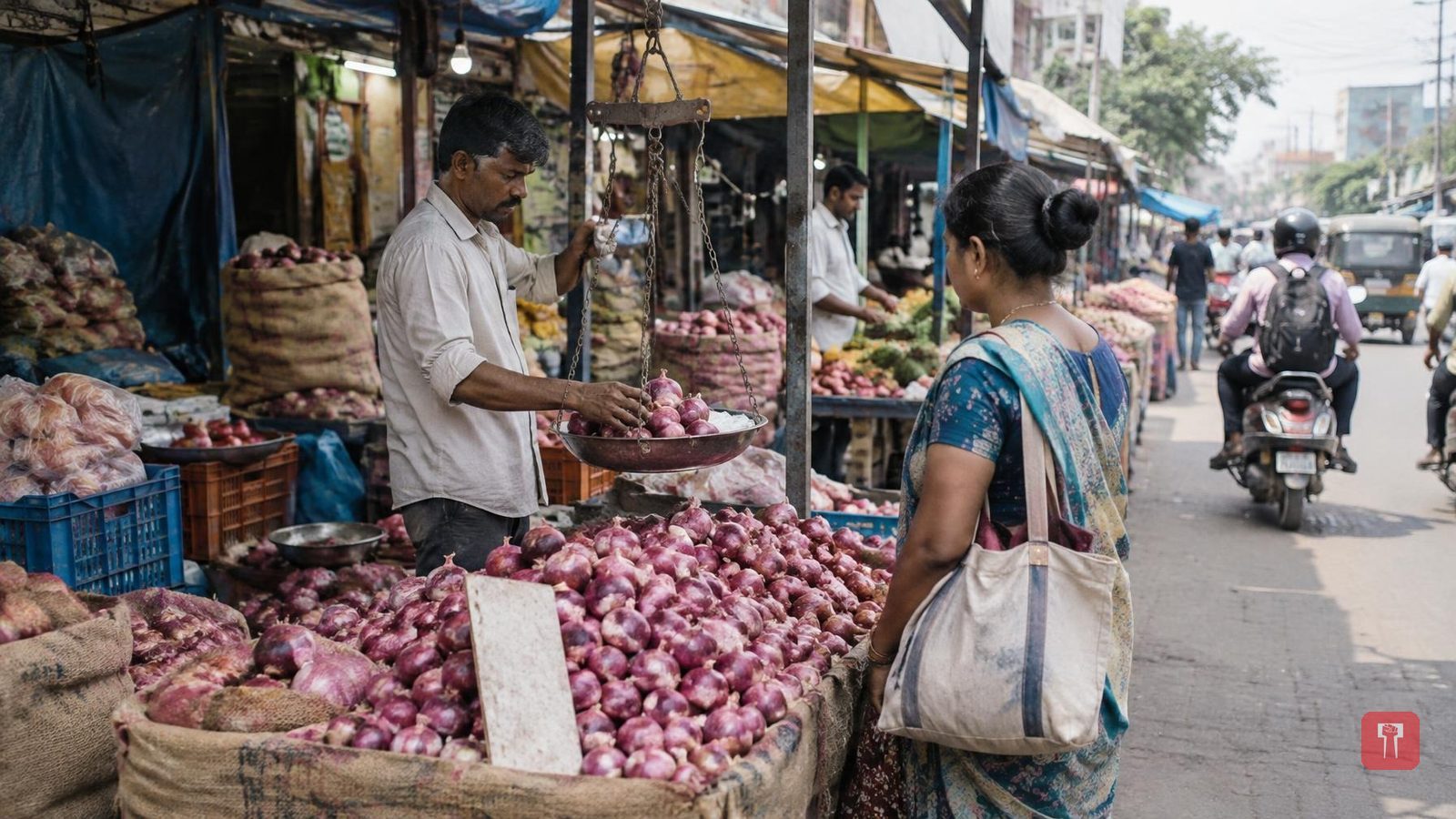
Rising prices have upset household budgets in recent days. After sugar prices went up, onions have now started pinching people's pockets. The government launched a buffer system to control this, but it does not appear to have had much effect. People have got no relief from the high prices, and onion rates continue to soar.
To provide relief, the government is selling onions from its buffer stock to the public at Rs 35 per kg. Despite this, people in many parts of the country are having to buy onions in the open market at Rs 60 to 70 per kg.
The government has stocked onions in its buffer, but the real challenge is transporting them from producing regions to different cities and markets across the country. The government began selling onions from the buffer stock on August 24. NCCF, NAFED, central warehouses and mobile vans are being used for this. Onions are being sent from onion-producing states to major consuming cities through the "Onion Express".
A major reason for the rise in onion prices is said to be the gap between the harvesting of the rabi and kharif crops. Normally during this period, stocks of old rabi onions gradually decline while the new kharif crop has not fully arrived in the market. This causes a temporary drop in onion supply, pushing up prices.
The government says there is no overall shortage of onions in the country. Onion production in 2025-26 is estimated at 30.737 million tonnes, almost the same as last year's 30.767 million tonnes. The government had set a target of procuring 2 million tonnes of rabi onions for the buffer stock in 2026-27. Of this, about 1.21 million tonnes have already been procured. To ensure farmers selling onions for the buffer stock get a better price, the procurement rate has also been raised from Rs 18.75 to Rs 21.25 per kg.
