

Eating too many modaks this Ganeshotsav? A dietitian's advice
A Mumbai dietitian explains how many modaks are safe to eat and how to enjoy festive food without health trouble
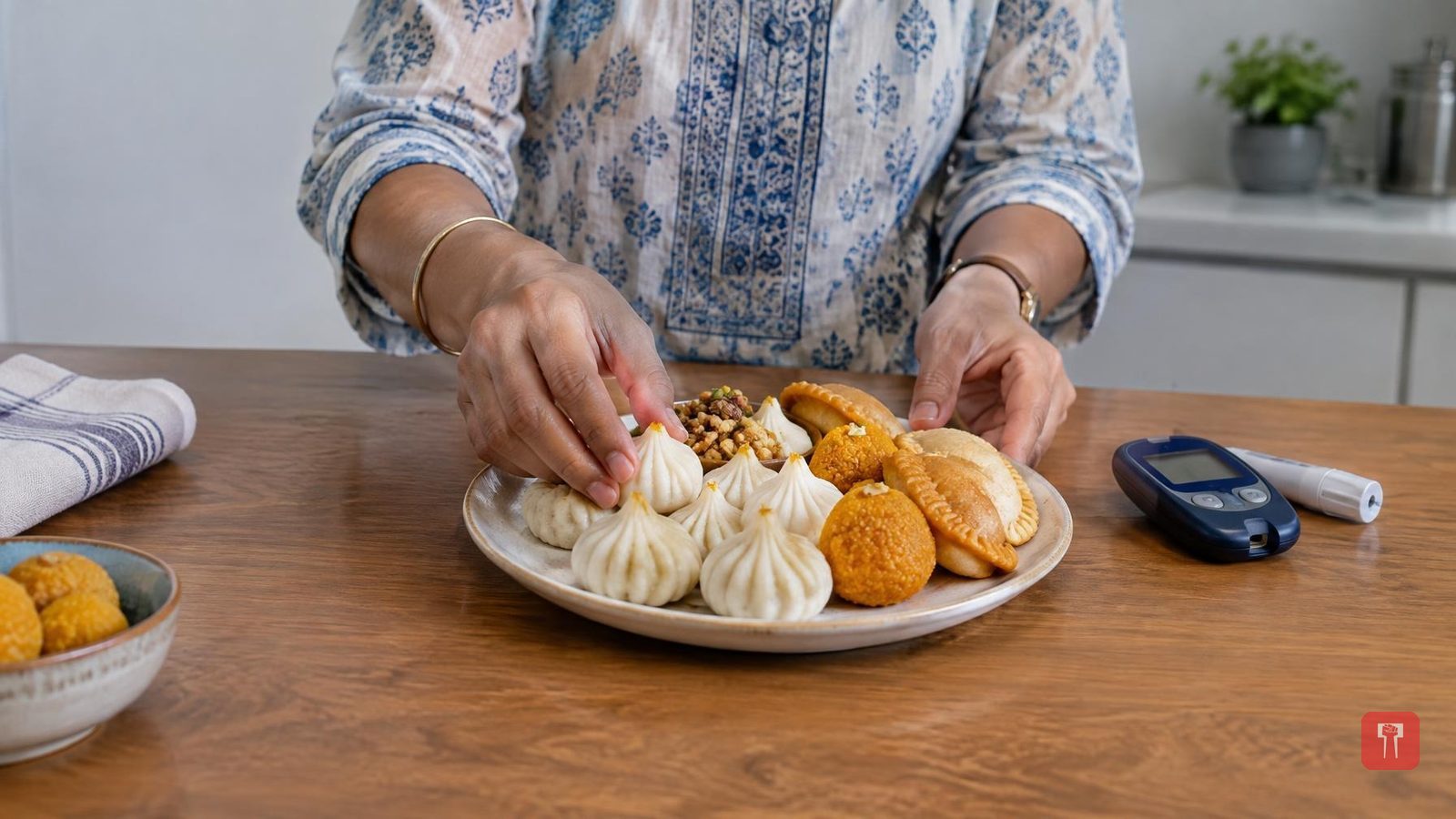
Ganeshotsav is celebrated with great enthusiasm in Maharashtra, and people indulge freely in sweets and traditional dishes during the festival. But those with diabetes in particular need to watch what they eat. A few simple things can be kept in mind to avoid overeating, acidity, bloating or a rise in blood sugar while enjoying festive food. Fauzia Ansari, a dietitian at Apollo Spectra Hospital in Mumbai, has explained what eating too many sweets during the festival does to health.
Ganeshotsav is a time to spend with family, visit Ganpati pandals and enjoy traditional dishes. Ukdiche modak, laddoo, puranpoli, karanji and farsan are an important part of the festival. But since people visit multiple places in a single day and get several invitations, it is easy to eat more than usual.
This does not mean favourite dishes should be given up entirely, but portions need to be controlled and the diet kept balanced, so health does not suffer after the festivities. Eating too many sweets can repeatedly raise blood sugar levels, especially in those with diabetes or insulin resistance. Excess sugar and calories can, over time, raise the risk of weight gain, higher triglycerides and fatty liver. Eating a lot of sweets along with fried and heavy food can cause acidity, bloating, sluggishness and fatigue. One should stop after eating one modak or one sweet, rather than eating more just because it tastes good.
A medium-sized ukdiche modak has around 150 to 200 calories. If the modak is larger, or has more jaggery, coconut and ghee, the calorie count can go above 200. Ukdicha modak is not fried, so it is a better option compared with fried modaks. Three modaks work out to roughly 450 to 600 calories, and five modaks to roughly 750 to 1,000 calories.
Eating too many modaks can raise blood sugar levels. Jaggery, though a natural sweetener, is not sugar-free. Eating too many modaks increases the amount of carbohydrates and sugar in the body. Those with diabetes or pre-diabetes should be especially careful, as it can raise the risk of weight gain along with digestive trouble and bloating.
One or two medium-sized ukdiche modaks can be eaten in a day. If someone wants to eat three or four modaks, they should avoid other sweets that day and cut back on fried food as well. Those with diabetes, obesity or other metabolic conditions should consult a doctor about how many modaks are safe for them.
A few things can help stay healthy during Ganeshotsav. Instead of eating sweets repeatedly through the day, it helps to decide on a fixed quantity and enjoy it slowly. Regular meals should not be skipped in order to enjoy festive food, and one should not stay hungry for too long before going to a function, since that increases the chances of overeating. A balanced meal with vegetables, dal, protein and whole grains helps keep the stomach fuller for longer, making it easier to control portions when sweets are offered at friends' or relatives' homes. Drinking enough water is just as important, so one should keep drinking water through the day instead of relying on sugary drinks. Those with diabetes, obesity or high cholesterol should pay special attention to the quantity of festive food they eat. Ganeshotsav functions often serve fried items such as farsan, namkeen, samosa, vada and bhaji, which should be avoided as far as possible. A light 10 to 15 minute walk after eating heavy festive food can help avoid sluggishness and discomfort, along with maintaining a regular daily exercise routine.
