

Why Ganpati is called Bappa and Morya: a 600-year-old story
The chant "Ganpati Bappa Morya" traces back to Sant Morya Gosavi, a devotee born in Chinchwad around 1375
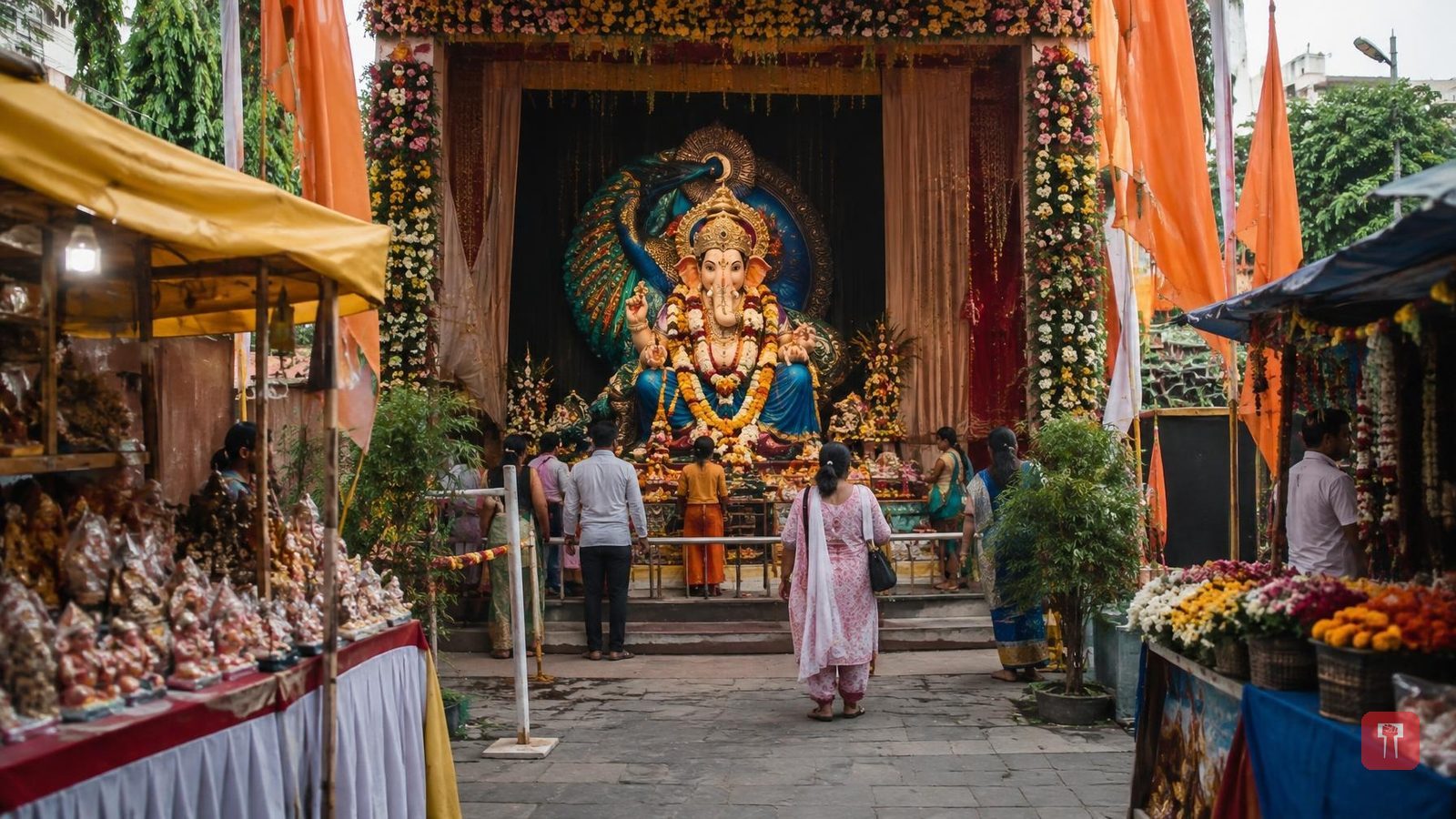
As Ganeshotsav begins, the chant "Ganpati Bappa Morya, agle varsh jaldi aao" echoes in every lane, home and pandal. Beginning with Ganesh Chaturthi in the month of Bhadrapada, the festival sees devotees of all ages immerse themselves in devotion to Ganpati. But few know how the words "Bappa" and "Morya" came to be attached to the name of Ganesh, the remover of obstacles. Behind the chant lies not just religious faith but an interesting story of devotion going back nearly 600 years.
In Maharashtra, the word "Bappa" is spoken with great respect and affection. In Marathi culture, an elder in the family or the head of the household is addressed as Bappa or Baap. Devotees of Ganesh do not consider him merely a deity but the head of their family, their support and the one who resolves their troubles. It is this sense of belonging that attached the word Bappa to Ganpati's name.
The word "Morya" is directly linked to Shri Morya Gosavi, a celebrated saint and devotee of Ganesh from Chinchwad in Pune, Maharashtra. According to historical accounts, Morya Gosavi was born in the 14th century, around 1375. His parents, Vaman Bhat and Parvatibai, were also devout followers of Ganpati. It is believed that pleased by their austere devotion, Lord Ganesh granted them a boon to be born in their household. From childhood, Morya Gosavi was devoted to Ganpati. Every month, on Ganesh Chaturthi, he would walk barefoot around 95 kilometres from Chinchwad to the Shri Mayureshwar temple at Morgaon, one of the Ashtavinayak shrines, to have darshan. Lord Mayureshwar is regarded as a form of Ganesh mounted on a peacock.
Morya Gosavi continued this arduous journey without a break for 117 years. As he grew older, his body began to tire and the 95-kilometre walk became difficult. Pleased by his devoted follower's effort, Lord Mayureshwar appeared in Morya Gosavi's dream one night and told him that he no longer needed to come to Morgaon; the next morning, when he bathed in the Pavana river or pond in Chinchwad and stepped out, the Lord himself would appear before him.
The next morning, as Morya Gosavi came out after bathing in the pond, a small and radiant idol of Lord Ganesh appeared in his hands on its own. The idol was in the very form of Mayureshwar of Morgaon. Morya Gosavi installed this idol at Chinchwad.
After the idol was installed at Chinchwad, devotees began arriving from far and wide for darshan. When people came to see Morya Gosavi, he would chant "Ganpati Bappa" and devotees would respond by saying "Morya" in his honour. Gradually, the names of the god and the devotee became so intertwined that people began chanting "Ganpati Bappa Morya" together while worshipping Ganesh. It is believed there is no difference between the Ganesh idol at Chinchwad and the Mayureshwar of Morgaon. Even today, a palanquin sets out every year from Morya Gosavi's Sanjeevan Samadhi temple towards the Mayureshwar temple at Morgaon. Thus, through one devotee's unmatched devotion, his name too became immortalised alongside that of the deity.
