

Saudi shuts 1,200-km oil pipeline after drone attack, world supply at risk
Saudi Arabia halts its East-West pipeline after drone strikes near Riyadh and Madinah, raising fears for global oil supply
 Images are not validated/verified
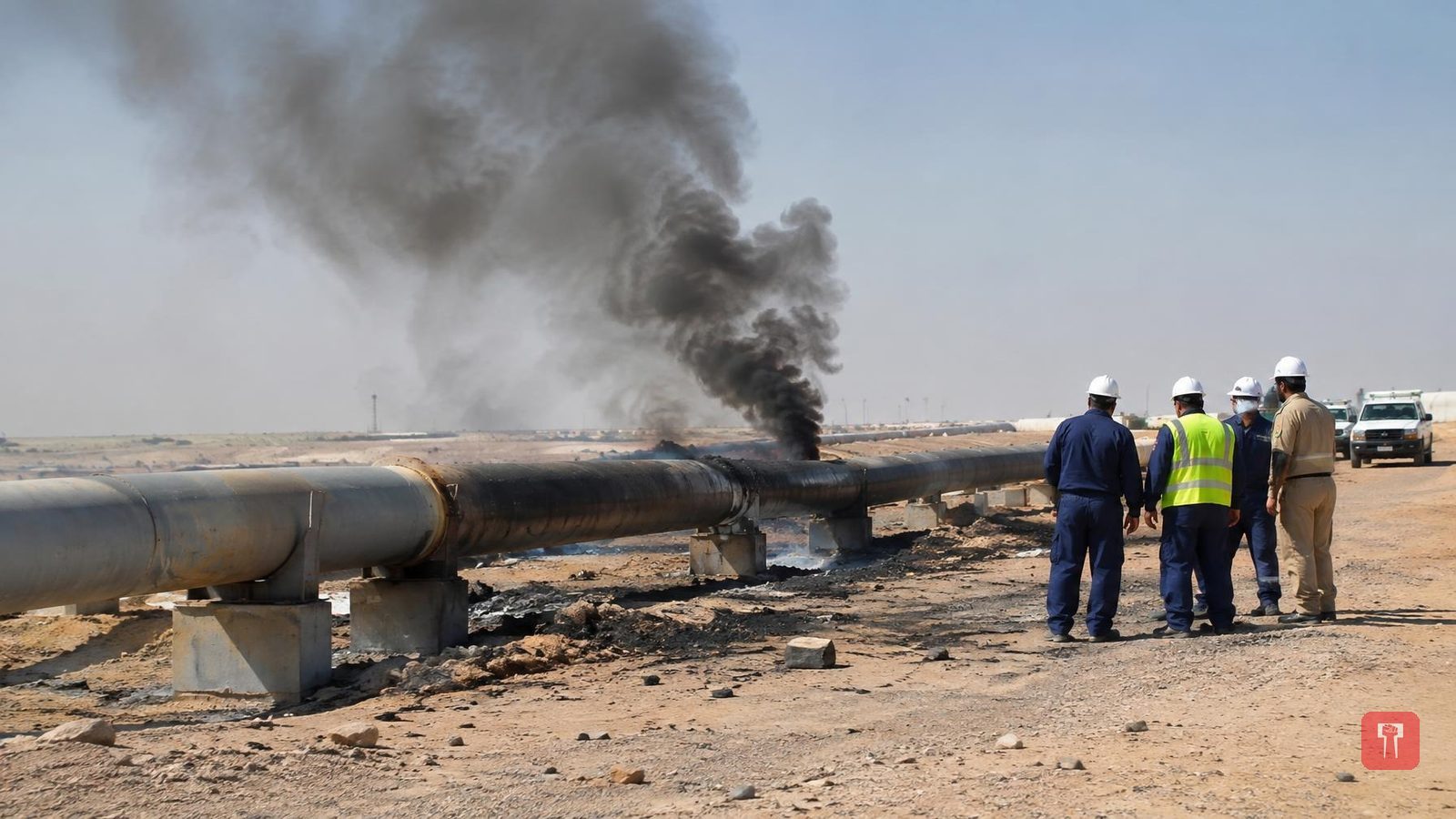
Saudi Arabia has shut down its key East-West oil pipeline for now, a decision taken on safety grounds after the pipeline came under drone attack. The roughly 1,200-kilometre pipeline connects oil fields in the kingdom's eastern region to the port of Yanbu on the Red Sea, and is considered a vital route for sending oil out of the Gulf region.
According to Saudi Arabia's energy ministry, the pipeline came under several drone attacks in the Riyadh and Madinah areas. Some people were injured in the attacks and given medical treatment. Emergency and technical teams reached the site after the attacks and checked the pipeline's safety.
As a precaution, Saudi Arabia has stopped the supply of oil through the pipeline for now. No firm timetable has yet emerged for when it will resume.
The importance of the East-West pipeline is not limited to Saudi Arabia. The pipeline is also an alternative to the Strait of Hormuz, meaning it serves as a route if the movement of oil through Hormuz runs into trouble. Movement of oil through Hormuz is already affected by existing tensions, and the attack on this pipeline is being seen as a major blow to energy markets worldwide.
It is being reported that in recent days the pipeline was carrying about 4 to 5 million barrels of oil a day. If the pipeline remains shut for a long period, pressure could build on Saudi Arabia's oil exports as well as on global oil supply.
The attack makes clear that the Middle East conflict is now having a direct impact on global energy security. Saudi Arabia says the drones came from the direction of Iraq. Following the incident, Iraq has also launched a strict inquiry into its own security arrangements. Rising tension in the Red Sea and Bab-el-Mandeb area has also become a cause for concern for the movement of oil.
If pressure keeps building on both these key routes, Hormuz and the Red Sea, oil prices worldwide could rise further. Large oil-importing countries such as India are also feared to be affected.
